
Size
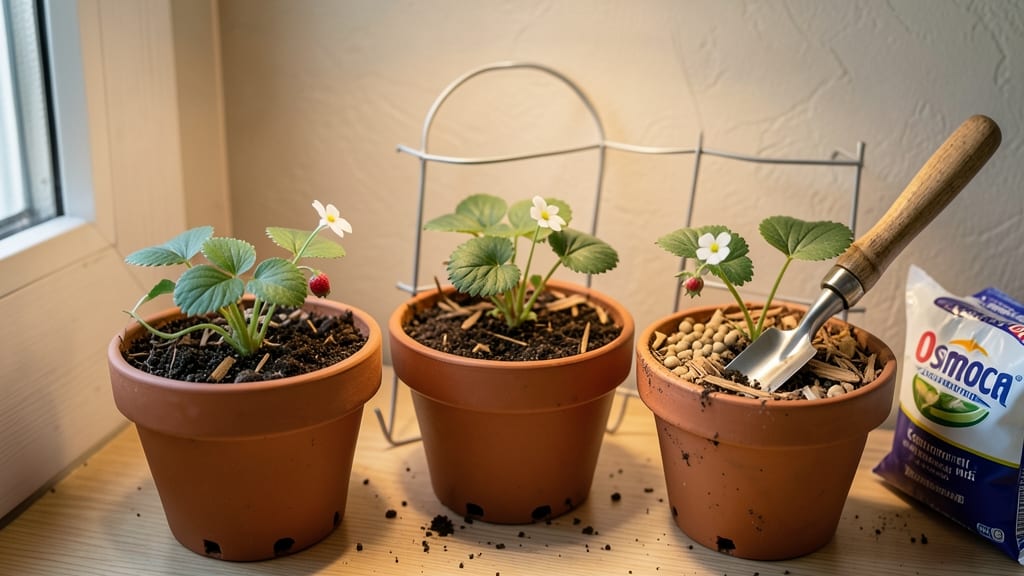
How to grow strawberries in pots indoors means sweet rewards without a garden. 🌱 I’ve turned my kitchen windowsill into a berry-producing powerhouse—no backyard needed. The secret? Choosing the right varieties and replicating their natural growing conditions in containers.
You’ll need compact, everbearing strawberry plants (like 'Alpine' or 'Seascape'), pots with drainage holes at least 6 inches deep, and a well-draining potting mix. Place them near a south-facing window or under a grow light for 6-8 hours of sunlight daily.
Overwatering is the biggest mistake—keep soil moist but not soggy, and fertilize lightly every 4-6 weeks.
By summer, you’ll be pinching off the first blossoms to encourage bigger harvests later, and by fall, your pots will be bursting with juicy, homegrown strawberries. The best part? This setup works year-round, so you’re never without fresh fruit again.
Even small spaces can yield pounds of berries—just rotate pots for even light exposure and watch your plants thrive. Here’s how to set it up without the guesswork.
📚 In This Guide
- What you need
- Instructions
- Tips and common mistakes
- Wrapping up and next steps
What you need
- ● Containers: 1–2 drainage holes per pot (5–10 inch diameter for 1–2 plants; 12+ inches for larger varieties like 'Albion'). Use plastic, ceramic, or fabric grow bags (avoid metal).
- ● Potting Mix: 1 bag (5–10 qt) of well-draining, sterile mix (e.g., 60% peat moss/coco coir + 30% perlite + 10% compost). Avoid garden soil!
- ● Strawberry Plants: 2–3 bare-root or potted plants (everbearing or day-neutral varieties like 'Seascape' or 'Tristar' work best). Check for healthy green leaves and firm roots.
- ● Fertilizer: 1 bottle of balanced liquid fertilizer (10-10-10 or 5-5-5) or slow-release granules (follow label for dilution rates).
- ○ Grow Lights (Optional but Recommended): 1 full-spectrum LED grow light (12–16 inches above plants, 12–16 hrs/day). Brands like Spectrum or Mars Hydro are great.
- ● OR a sunny south-facing windowsill (6+ hrs of direct light daily).
- ● Watering Can or Spray Bottle: 1 with a gentle spray nozzle (to avoid disturbing soil).
- ○ Mulch (Optional but Helpful): 1 bag of straw or shredded bark (1–2 inches thick) to retain moisture and suppress weeds.
- ● Pruning Shears: 1 pair for trimming yellow leaves or runners.
- ● pH Test Kit: 1 (to check soil pH; strawberries thrive at 5.5–6.5). Adjust with lime or sulfur if needed.
- ● Support Stakes or Trellis: 2–4 bamboo stakes or small cages (for varieties that need support).
- ● Humidity Tray: 1 (if your home is dry; add pebbles + water to create a mini greenhouse effect).
- ○ Thermometer/Hygrometer: 1 (optional, to monitor ideal temps: 60–75°F).
Step-by-step instructions for growing strawberries in pots indoors
Here’s how I keep my strawberry plants thriving year-round—no greenhouse needed.
🪴 Step 1: Choose the Right Containers and Drainage
Strawberries need 5-gallon pots minimum per plant to support their root systems and prevent overcrowding. I use fabric grow bags for their breathability, but traditional ceramic pots work too—just ensure they have multiple drainage holes. If your pot lacks holes, drill them yourself to prevent root rot.
Place a 2-inch layer of gravel or broken pottery in the bottom before adding soil. This creates an air pocket that prevents soggy roots. The gravel should fill about one-fifth of the pot’s depth—enough to allow excess water to escape without clogging drainage.
🌱 Step 2: Use a Well-Draining, Fertile Soil Mix
Strawberries hate soggy soil but need consistent moisture. I blend 50% premium potting mix with 30% perlite and 20% compost for aeration and nutrients. Avoid garden soil—it compacts in containers and suffocates roots. Mix everything thoroughly until it looks uniform.
Fill the pot ¾ full with your blend, leaving room for the plant’s root ball. Press the soil down gently to remove air pockets, but don’t compact it too tightly. Strawberry roots need space to spread, so a loose, fluffy texture encourages exploration.
☀️ Step 3: Plant and Position for Maximum Light
Dig a hole twice as wide as the root ball but no deeper than the plant’s topsoil line. Place the strawberry plant in, spreading roots gently outward. Cover with soil and firm it lightly around the base. Water immediately to settle everything into place.
Strawberries need 6-8 hours of direct sunlight daily—a south-facing window is ideal. If natural light is insufficient, supplement with a full-spectrum LED grow light kept 6-12 inches above the plants. Without enough light, leaves turn pale, and fruit production stalls. Rotate pots weekly to prevent leaning.
💧 Step 4: Water and Fertilize for Consistent Growth
Water when the top 1-2 inches of soil feel dry to the touch. I use a self-watering system with a moisture meter to avoid overwatering—strawberries wilt quickly if roots sit in water. Water at the base, never overhead, to prevent fungal diseases like gray mold.
Feed every 4-6 weeks with a balanced, water-soluble fertilizer (10-10-10) diluted to half strength. During fruiting season, switch to a low-nitrogen, high-phosphorus fertilizer (5-10-10) to boost sweetness. Flush the soil with plain water after fertilizing to prevent salt buildup.
✂️ Step 5: Prune and Maintain for Year-Round Productivity
Remove spent blossoms after fruiting to redirect energy to new growth. Cut back yellow or diseased leaves immediately to prevent spread. In late summer, trim overly long runners (if you’re not propagating) to keep the plant’s energy focused on fruiting.
Every 2-3 years, repot into a larger container or refresh the soil. Strawberries decline in productivity as roots outgrow their space. I also rotate pots quarter-turn weekly to ensure even light exposure and prevent one-sided growth.
Tips & tricks for perfect indoor strawberry growth
These insider tricks will help you avoid common pitfalls and maximize your indoor strawberry harvest—no greenhouse required.
Container Selection: While 5-gallon pots are the minimum, I recommend going up to 7-10 gallons for established plants. Larger containers give roots more room to explore, which translates to bigger berries and more prolific fruiting. If using fabric grow bags, choose ones with sturdy handles for easy rotation—those quarter-turns weekly make a surprising difference in even growth.
Soil Mix Upgrade: The 50-30-20 blend works well, but for even better results, add 5% worm castings to your mix. These natural amendments boost microbial activity and provide gentle, slow-release nutrients that strawberries love. Mix thoroughly, and you'll notice healthier foliage and more robust root systems within weeks.
Lighting Strategy: That 6-8 hours of direct sunlight is non-negotiable, but here's what nobody tells you: position your grow lights on a timer for 14-16 hours of light per day during winter months. This mimics longer daylight hours and triggers consistent fruiting. I use a simple plug-in timer for $15 that's changed my indoor harvests completely.
Watering Wisdom: The "top 1-2 inches dry" rule is solid, but here's the secret: water in the morning so leaves have all day to dry. Wet foliage at night invites fungal problems, especially in the humid conditions indoor growing often creates. I've also found that using a moisture meter with a 1-2 inch probe gives more consistent results than guessing by feel.
Pro Tips for Grow Strawberries In Pots Indoors
- These insider tricks will help you avoid common pitfalls and maximize your indoor strawberry harvest—no greenhouse re...
- Container Selection: While 5-gallon pots are the minimum, I recommend going up to 7-10 gallons for established plants...
- Soil Mix Upgrade: The 50-30-20 blend works well, but for even better results, add 5% worm castings to your mix. These...
Frequently asked questions
Got questions about growing strawberries indoors? You’re not alone! Here are some of the most common queries—and straightforward answers—to help you crush your container-grown strawberry game.
Can I grow strawberries indoors year-round?
With the right setup—adequate light (10+ hours/day), proper containers, and a warm spot (60–75°F)—you can harvest strawberries indoors almost any time. Just watch for seasonal light changes and supplement with grow lights if needed.
How long does it take for strawberries to fruit in pots?
Patience pays off! June-bearing varieties may take 6–8 months to produce fruit, while everbearing or day-neutral types can yield berries in 3–5 months. Speed up fruiting by ensuring strong light, consistent watering, and balanced fertilizer (like 10-10-10).
Why are my strawberry leaves turning yellow?
Yellow leaves usually signal overwatering, nutrient deficiency, or poor drainage. Check your pot’s holes, reduce watering slightly, and flush the soil with water to prevent salt buildup. A diluted balanced fertilizer (every 4–6 weeks) can also help.
Are there any strawberry varieties that thrive better in pots?
Yes! Opt for everbearing or day-neutral varieties like ‘Alpine,’ ‘Seascape,’ or ‘Tristar’—they’re compact, productive, and adapt well to containers. Avoid large June-bearing types (e.g., ‘Chandler’) unless you have deep pots (12"+).
What’s the best temperature for indoor strawberry growth?
Strawberries love 60–75°F during the day and 50–60°F at night. Avoid drafts (like AC vents or heaters) and use a thermometer to monitor. If temps drop below 50°F, move pots to a warmer spot or use a small space heater (safely!).
Can I reuse last year’s strawberry soil?
Not ideal! Old soil can harbor diseases or pests and lose nutrients. Refresh with 50% new potting mix (lightweight, well-draining) and 50% compost. Sterilize reused containers with a 10% bleach solution if needed.
Wrapping up and next steps
Growing strawberries in pots indoors is a rewarding way to enjoy fresh, sweet berries year-round—no matter how small your space! 🌱 With the right containers, soil, and care, you’ll harvest juicy fruit in just a few months.
Start small, experiment with varieties, and soon you’ll be sharing your homegrown bounty with friends or treating yourself to a delicious snack.
Ready to take the next step? Pick your favorite strawberry plants (or seeds!) and get growing—your future self (and taste buds) will thank you! 🍓✨