
Propagation
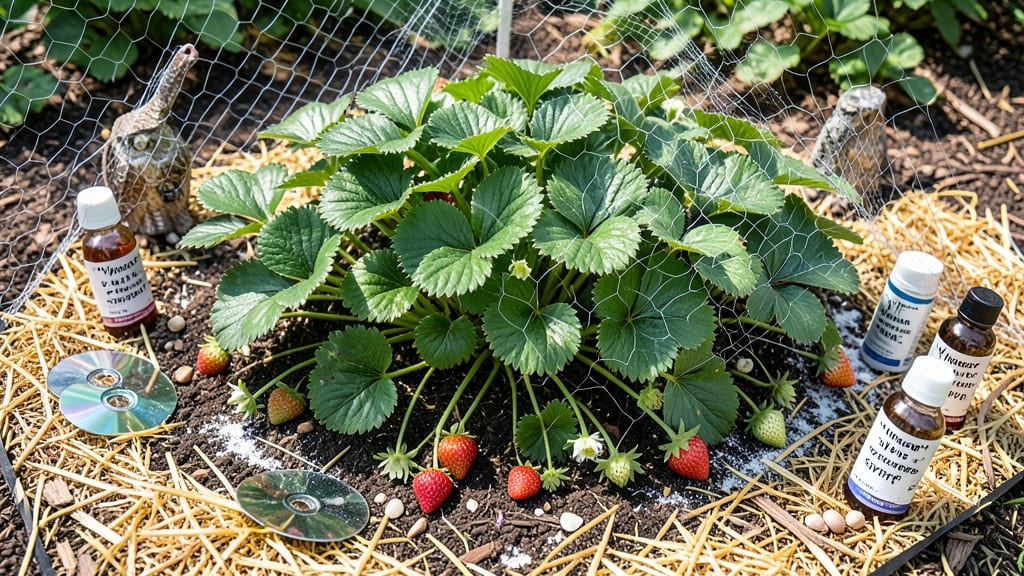
Strawberries disappear faster than you can pick them—how to keep animals away from the strawberries is the real challenge. 🌱 I’ve lost entire patches to rabbits, birds, and even neighborhood possums—until I discovered these humane barriers that actually work without chemicals or harsh sprays.
The secret isn’t fancy equipment—it’s combining physical protection (like lightweight row covers) with natural deterrents (garlic spray, companion plants). Most gardeners overlook simple fixes like chicken wire hoops or mulch rings, but they’re the game-changers that save your harvest.
By the end of summer, you’ll have plump, undamaged berries ready to pick straight from the vine. No more sneaking out at dawn to find half-eaten plants—just a thriving patch that animals ignore.
Works for backyard beds, raised planters, and even container gardens. Here’s how to set it up without the frustration.
📚 In This Guide
- What you need
- Instructions
- Tips and common mistakes
- Wrapping up and next steps
What you need
- ● Chicken wire or hardware cloth: 1 roll (19-gauge, 1/2" mesh) – covers at least 4' x 4' area per patch.
- ● Sturdy wooden stakes or rebar: 4-6 pieces (6" deep, 2-3' tall) – for securing barriers.
- ● Burlap or landscape fabric: 1 roll (3' wide) – acts as a physical barrier or mulch layer.
- ○ Poultry netting (optional but recommended): 1 roll (1" mesh) – lightweight and flexible for overhead protection.
- ● Pebbles, gravel, or crushed eggshells: 5-10 lbs – for perimeter scattering (humane deterrent).
- ● Pruners or scissors: 1 pair – for cutting materials to size.
- ● Garden twine or zip ties: 1 spool – for securing barriers.
- ● Motion-activated sprinklers: 1-2 units – sprays water at movement (great for deer/rabbits).
- ● Compost or coffee grounds: 1-2 lbs – natural repellent when layered around plants.
- ● Essential oil spray (peppermint/citrus): 1 bottle – mix with water for scent deterrent (reapply weekly).
- ● Reflective tape or old CDs: 1 roll – scares birds with flashing light.
Step-by-Step instructions for humane animal barriers on strawberries
Here's the method I've used in my own garden—no repellents, just clever barriers that deter critters without harm.
🪴 Step 1: Build a Sturdy Frame Around the Beds
Construct a 2-foot-tall frame around your strawberry beds using 1-inch diameter PVC pipes or wooden stakes driven 12 inches deep into the soil. I like the PVC option because it's lightweight, durable, and won't rot. Space the supports 3 feet apart along the perimeter—this creates a stable base for your barrier material. For larger beds, add a cross brace every 4 feet to prevent leaning.
Here's the thing—animals like rabbits and deer can dig under flimsy barriers. That's why I bury 6 inches of the frame below ground level. Use a post hole digger to create a trench, then set the frame section into it before backfilling with soil. This simple step eliminates the most common point of entry.
🌿 Step 2: Install a Double-Layered Cloth Barrier
Stretch heavy-duty landscape fabric (60% shade cloth or hardware cloth) over the frame, securing it tightly with galvanized staples or zip ties every 12 inches. The fabric should hang 6 inches below ground level all around to prevent burrowing. I double up the layers in areas where digging is most likely—like near tree roots or fence lines.
For extra protection, I add a second layer of wire mesh (1/2-inch hardware cloth) on the outside. This creates a physical barrier that even determined diggers can't penetrate. The key is overlapping the layers by 4 inches at all seams to eliminate gaps. You'll see where animals try to squeeze through—usually at loose spots or where the fabric sags.
✂️ Step 3: Add Visual and Physical Deterrents
Hang reflective tape or old CDs from strings across the top of the frame. The flashing lights create unpredictable movement that confuses animals. I also scatter pine cones and egg shells around the base—these create an unpleasant crunching sound when animals approach. The combination of visual and auditory deterrents works better than either alone.
For ground-level protection, I spread diatomaceous earth (food-grade only) in a 2-inch band around the barrier's base. This natural powder is harmless to plants but irritates pests' feet. Reapply after rain, as it loses effectiveness when wet. The strawberries themselves will stay untouched while critters get discouraged from even approaching.
🌱 Step 4: Maintain and Monitor the Barrier
Check your barrier weekly for tears or gaps—animals will exploit any weakness. I keep a small roll of landscape fabric and zip ties handy for quick repairs. Pay special attention after heavy rains, as fabric can stretch when wet. If you notice fresh dig marks, reinforce that area with additional mesh or extend the buried portion.
Here's what I've found works best: Combine the physical barrier with regular inspections. Animals adapt quickly, so I rotate deterrent methods seasonally. For example, in spring I focus on visual deterrents, while in late summer I emphasize the crunchy ground cover. This keeps them guessing and prevents them from learning how to bypass your defenses.
⏰ Step 5: Plan for Seasonal Adjustments
Before winter, remove the fabric and store it dry to prevent mold. In early spring, reinstall it with fresh staples and check for any damage from freezing. I also adjust the height of my barriers—18 inches tall in early season when berries are small, then 24 inches as fruit ripens. This prevents animals from reaching over the top as the plants grow.
For persistent problems, I add motion-activated sprinklers near the barrier's perimeter. The sudden spray startles animals without harming them. Position these 12 inches from the barrier edge so they don't spray your plants. You'll know it's working when you see animals avoiding that particular zone entirely.
Tips & tricks for effective strawberry barriers
These practical strategies will help you create a foolproof defense system that actually works—no more lost harvests to hungry critters.
Frame Stability is Non-Negotiable: The 2-foot-tall frame in Step 1 must be your foundation. I've seen too many gardeners skip the cross braces or shallow stakes—animals will exploit any wobble. For windy areas, add diagonal supports between frame corners. This isn't just about height; it's about creating an unshakable fortress that animals can't topple or dig around. The 6-inch buried section is especially critical—without it, rabbits will simply tunnel underneath.
Layering Creates a Multi-Layered Defense: When installing the double-layered barrier in Step 2, think of it like a security system. The first layer (landscape fabric) stops most casual diggers, but the second layer (wire mesh) handles the determined ones. The 4-inch overlap at seams is where most breaches happen—animals will squeeze through any gap. I've had deer try to push through fabric, only to get stuck when they hit the mesh. This is where the real protection happens.
Deterrents Work Best When Combined: The reflective tape and crunchy ground cover in Step 3 create a sensory overload that confuses animals. I've noticed that rabbits avoid areas with both visual AND auditory deterrents—they don't know which direction to flee when they see flashing lights AND hear crunching. For extra effectiveness, add motion-activated sprinklers (as mentioned in Step 5) near high-traffic areas. The combination of these methods creates a psychological barrier that's harder to overcome than physical barriers alone.
Seasonal Adjustments Save Your Harvest: The height adjustment from 18 inches to 24 inches in Step 5 is crucial as your plants grow. I've had strawberries reach 20 inches tall by mid-summer—if your barrier stays at 2 feet, animals can simply reach over the top. Also, the winter storage tip is often overlooked: wet fabric will mold and attract pests. Store it in a dry, ventilated area with a few bay leaves to prevent moths. When reinstalling in spring, check for any rodent nests that might have taken up residence during winter.
Pro Tips for Keep Animals Away From Strawberries
- These practical strategies will help you create a foolproof defense system that actually works—no more lost harvests to hungry critters.
- Frame Stability is Non-Negotiable: The 2-foot-tall frame in Step 1 must be your foundation.
- Layering Creates a Multi-Layered Defense: When installing the double-layered barrier in Step 2, think of it like a security system.
Frequently asked questions
What’s the best natural repellent for keeping rabbits away from my strawberries?
Rabbits are deterred by strong smells like garlic, hot peppers, or predator urine (coyote or fox). Sprinkle crushed garlic or cayenne pepper around your plants, or place urine-soaked rags near the garden. Reapply after rain. For a DIY option, blend chili powder + water into a spray—it’s safe but effective!
Will chicken wire or fencing actually work, or will animals just dig underneath?
Chicken wire (1-inch mesh) or hardware cloth (¼-inch mesh) works best if buried 6–12 inches deep to block digging. For ground-dwelling critters like raccoons, add a 3-foot-high barrier with outward-facing angles—they’ll avoid climbing. Pair it with mulch (like pine straw) to mask scent trails leading to your berries.
Can I use companion plants to protect strawberries instead of physical barriers?
Yes! Plant onions, garlic, thyme, or marigolds near strawberries—their strong scents confuse pests. Lavender also repels rabbits and deer. However, companion plants work best as a layered defense (e.g., with fencing or repellents) since they’re not foolproof. Rotate plants yearly to prevent pests from adapting.
How often do I need to reapply homemade sprays or repellents?
Reapply every 3–5 days or after rain/storms. Homemade sprays (like vinegar-chili mixes) break down quickly, while commercial repellents (e.g., predator urine) may last 7–10 days. Check your garden daily during peak pest seasons (spring–fall) to spot new damage early.
What if animals keep eating my strawberries even after using barriers?
Try a multi-layered approach:
- Distraction: Plant a sacrificial "trap" garden 10+ feet away with tasty treats (e.g., lettuce for rabbits).
- Timing: Harvest strawberries before they ripen fully (green berries are less appealing).
- Scare tactics: Use motion-activated sprinklers or old CDs (reflective surfaces) to startle animals.
Wrapping up and next steps
Keeping animals away from your strawberries doesn’t have to be a battle—with the right humane barriers and proactive strategies, you can protect your crop while keeping wildlife safe. From physical fencing and natural repellents to smart landscaping, these methods work without harming animals or the environment. 🌱
Now that you’re armed with solutions, it’s time to put them into action! Start small—test a few techniques in one section of your garden, observe what works best, and expand from there. Happy gardening, and may your strawberries thrive pest-free! 🍓✨