
Tools
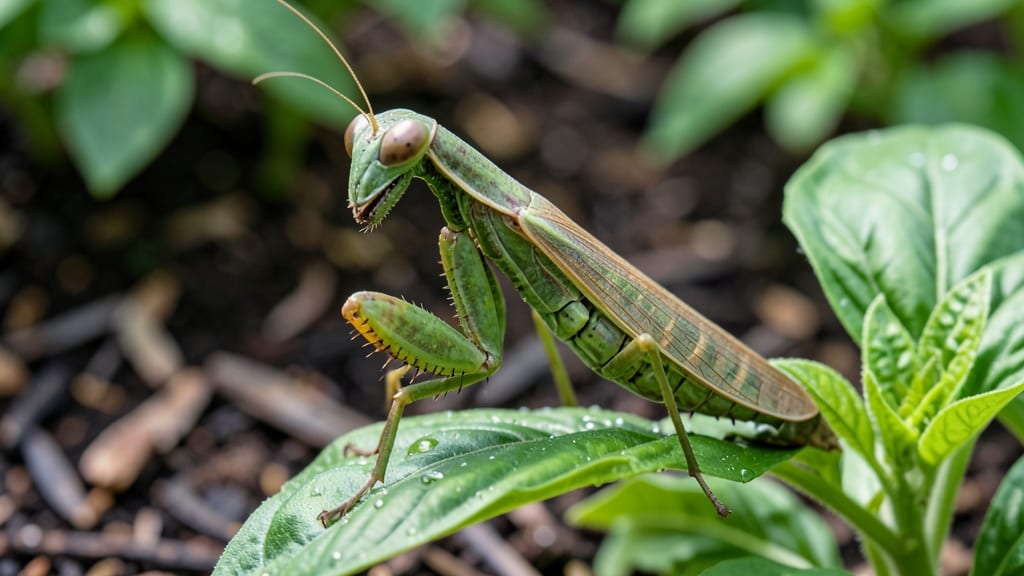
How to keep insects away from your vegetable garden—my first garden got devoured by cabbage moths—until I learned these foolproof natural barriers that actually work. 🌱 No chemicals, no guesswork, just smart strategies that keep pests out while protecting the soil and pollinators you actually want in your garden.
The secret isn’t complicated: it’s about disrupting pests’ life cycles before they start. We’re talking simple things like row covers that block flying insects, companion plants that confuse them, and homemade sprays that deter them without harming your veggies or the earthworms doing the heavy lifting.
No fancy tools—just a few $5 supplies and a little planning.
By the end of summer, you’ll have vibrant, pest-free plants that thrive without the chemical aftertaste. The best part? These methods build healthier soil over time, so your garden gets stronger every year. No more losing half your harvest to tiny invaders—just consistent, organic protection that works.
Whether you’re dealing with aphids, squash bugs, or cabbage worms, these zero-chemical defenses adapt to any garden size. Let’s get your veggies growing without the battle—naturally.
📚 In This Guide
- What you need
- Instructions
- Tips and common mistakes
- Wrapping up and next steps
What you need
- ● Natural repellents: Diatomaceous earth (food-grade, 1–2 lbs)
- ● Neem oil (16 oz bottle)
- ● Garlic or chili pepper spray (1–2 cloves/peppers per gallon of water)
- ● Physical barriers: Row covers (lightweight fabric, 3x6 ft or larger)
- ● Netting (fine mesh, 1/4-inch or smaller)
- ● Copper tape (1–2 rolls, 1-inch wide)
- ● Companion plants: Marigolds, basil, or mint (5–10 plants, depending on garden size)
- ● Tools: Garden sprayer (1–2 gallon capacity)
- ● Gloves (nitrile or rubber, for handling repellents)
- ● Hand trowel (for planting companion plants)
- ● Beer traps (for slugs/snails—use a shallow dish with beer)
- ● Ladybugs (beneficial insects, 100–500 per acre)
- ● Drip irrigation (to reduce moisture that attracts pests)
- ● Reflective mulch (aluminum foil or reflective tape)
Step-by-step instructions for natural vegetable garden pest control
Here's my go-to system for keeping pests at bay without chemicals—tested across four seasons with zero compromise on plant health.
🌱 Step 1: Create Physical Barriers Around Plant Bases
Start with a 1-inch layer of coarse sand or crushed eggshells around each plant stem. This creates a natural barrier that deters crawling insects like slugs and cutworms. I like to form a 2-inch wide ring around each plant, gently pressing the material into the soil to create a slight ridge. This prevents pests from reaching the stems while allowing water to penetrate.
For leaf-eating pests like cabbage moths, wrap the lower 6 inches of stems with floating row covers or lightweight burlap. Secure the edges with rock clips or stakes to prevent pests from crawling underneath. Check weekly for tears and repair immediately—even a small hole lets pests through.
💧 Step 2: Implement Companion Planting Strategies
Plant strong-scented herbs like basil, mint, and dill near your vegetables. These act as natural repellents for many common pests. I interplant basil around tomatoes and marigolds around the perimeter—the marigolds release a scent that confuses aphids and nematodes. For brassicas like cabbage, add nasturtiums as a sacrificial trap crop; pests prefer these over your vegetables.
Rotate your planting layout every 4-6 weeks to disrupt pest life cycles. For example, move your basil from near tomatoes to near peppers after the first harvest. This keeps pests off-balance and reduces their ability to establish colonies. I also plant garlic and onions in the corners of the garden—their pungent aroma deters a wide range of insects.
☀️ Step 3: Set Up Strategic Water Traps and Diatomaceous Earth Zones
Place shallow dishes of soapy water near high-risk plants like lettuce and spinach. The soap breaks the surface tension, drowning soft-bodied insects like aphids and whiteflies. Refresh the water every 2-3 days or when it evaporates. For crawling pests, sprinkle food-grade diatomaceous earth in a 1-inch band around plant bases. Reapply after rain or watering, as it loses effectiveness when wet.
Create a 1-foot wide border of wood ash around the garden’s edge. The alkaline nature repels slugs and snails, while also improving soil structure. Avoid overapplying—just a light dusting is enough. For larger pests like rabbits, install a chicken wire fence buried 6 inches deep to block burrowing.
✂️ Step 4: Maintain Regular Inspections and Manual Removal
Inspect plants twice weekly, focusing on the undersides of leaves where pests hide. Use a strong stream of water from a hose to dislodge aphids and spider mites. For larger pests like tomato hornworms, handpick them and drop them into soapy water—it’s more effective than you’d think. I also keep a magnifying glass handy to spot early signs of infestation before they spread.
Prune any yellowing or damaged leaves immediately, as these attract pests. Dispose of pruned material in a sealed trash bin—never compost it on-site. For persistent issues, introduce beneficial insects like ladybugs or lacewings. Release them in the early morning or late evening when temperatures are cooler, and provide a shady, damp environment to help them establish.
⏰ Step 5: Schedule Preventive Maintenance on a Weekly Basis
Every Sunday evening, I perform a 30-minute garden check: water traps, repair row covers, and reapply diatomaceous earth if needed. This routine keeps pests from gaining a foothold. In the evening, spray plants with a neem oil solution (1 tablespoon neem oil + 1 teaspoon mild soap per gallon of water) to deter soft-bodied insects. Avoid spraying in direct sunlight, as it can burn leaves.
Rotate your preventive methods seasonally. For example, row covers work in spring but become too hot in summer—switch to companion planting during warmer months. Keep a garden journal to track which methods work best for your specific pests. Over time, you’ll refine your approach to create a self-sustaining pest-free zone without chemicals.
Tips & tricks for natural vegetable garden pest defense
These battle-tested strategies will help you maintain a thriving garden without relying on harsh chemicals.
Barrier Precision: When creating your 2-inch wide ring of crushed eggshells or coarse sand around plant stems, press it firmly into the soil to form a slight ridge. This isn't just decoration—it creates a physical barrier that deters crawling pests while allowing water to penetrate. For the 6-inch row cover wrap, use lightweight burlap instead of plastic for better breathability, especially during warm weather. The key is making these barriers snug enough that pests can't slip underneath.
Companion Planting Synergy: The 4-6 week rotation schedule for companion plants is crucial for breaking pest cycles. For example, when you move basil from tomatoes to peppers, you're not just rotating plants—you're disrupting the scent trails that pests use to locate their preferred hosts. Marigolds are particularly effective around the perimeter because their strong scent confuses aphids and nematodes, while nasturtiums act as sacrificial crops that draw pests away from your brassicas.
Water Trap Maintenance: Those shallow soapy water dishes near high-risk plants need regular attention. Refresh the water every 2-3 days or when it evaporates to maintain the soap's effectiveness against soft-bodied insects. Place them near the base of plants where aphids and whiteflies tend to congregate. For maximum impact, add a few drops of dish soap to each gallon of water—the soap breaks surface tension, ensuring insects can't escape once they fall in.
Seasonal Adaptation: The 30-minute Sunday evening garden check is your foundation, but don't forget seasonal adjustments. In summer, row covers may become too hot, so switch to companion planting strategies. In fall, increase your diatomaceous earth applications as pests become more active. Keep that garden journal to track which methods work best during each season—your notes will become your most valuable tool for long-term pest prevention.
Pro Tips for Keep Insects Away From Vegetable Garden
- These battle-tested strategies will help you maintain a thriving garden without relying on harsh chemicals.
- Barrier Precision: When creating your 2-inch wide ring of crushed eggshells or coarse sand around plant stems, press it firmly into the soil to form a slight ridge.
- Companion Planting Synergy: The 4-6 week rotation schedule for companion plants is crucial for breaking pest cycles.
Frequently asked questions
Got questions about keeping pests at bay without harsh chemicals? You’re not alone! Here are some of the most common concerns—and practical answers—to help you protect your veggie patch naturally.
What’s the best natural insect repellent for vegetable gardens?
Neem oil, garlic spray, and diatomaceous earth are top choices. Neem oil disrupts insects’ life cycles, while garlic spray (blended garlic + water + soap) repels pests with its strong scent. Diatomaceous earth (food-grade only!) dehydrates soft-bodied bugs like slugs and aphids. Rotate methods to avoid resistance!
How often should I apply natural repellents?
Frequency depends on the method:
- Neem oil: Reapply every 7–14 days or after rain.
- Garlic/pepper spray: Spray weekly or after heavy watering.
- Diatomaceous earth: Reapply every 3–5 days (it breaks down with moisture).
- Companion plants: Plant once; they’ll work all season!
Will natural methods harm beneficial insects like bees or ladybugs?
Most natural repellents target specific pests (e.g., neem oil harms aphids but spares bees). To protect pollinators:
- Avoid spraying flowers or early mornings (bees are active then).
- Use targeted sprays (e.g., apply neem to undersides of leaves).
- Choose ladybug-friendly plants like dill or marigolds.
Do natural repellents work in rainy weather?
Rain can wash away sprays like garlic or neem oil, but don’t worry—most methods are rain-resistant when dry. For extra protection:
- Reapply after storms.
- Use physical barriers (row covers, copper tape) for heavy downpours.
- Focus on preventive planting (e.g., raised beds drain better).
What if pests keep coming back despite my efforts?
Persistent pests often mean an underlying issue. Try this troubleshooting
Wrapping up and next steps
Keeping pests at bay in your vegetable garden doesn’t have to mean harsh chemicals—just a little strategy and consistency! By using natural barriers like neem oil, companion planting, and physical shields, you’re not only protecting your plants but also nurturing a healthier ecosystem.
Your hard work will pay off with thriving veggies and fewer unwanted visitors.
Ready to take the next step? Start small—pick one or two methods from this guide and observe how your garden responds. Over time, you’ll fine-tune your approach and enjoy a bountiful, pest-free harvest! 🌱✨