
Pests
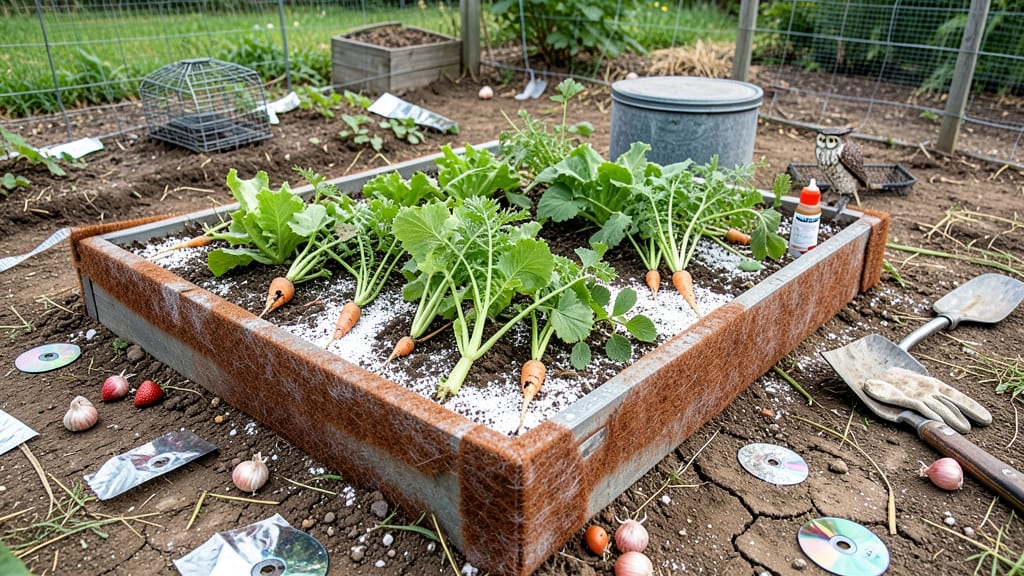
How to get rid of vermin in the garden without harming your soil or beneficial insects starts with a shift in strategy. My thriving tomato patch became a rodent buffet, with gnawed stems and disappearing harvests as the telltale signs. Chemical traps weren’t the answer—humane solutions were. After months of trial and error, I found methods that actually work without harming beneficial insects or the soil.
Most problems start with habitat—piles of debris, easy access points, or food sources left out. The key is eliminating what attracts them: secure compost bins, raised beds with hardware cloth, and removing fallen fruit.
For rodents specifically, peppermint oil-soaked cotton balls placed near entry points does the trick—it masks scents they use to navigate.
You'll see results within a week: fewer tunnels, no more chewed leaves, and the return of pollinators. The best part? These methods are 100% organic, safe for kids and pets, and actually improve long-term garden health by deterring pests naturally.
Start with prevention—clean up debris, seal gaps, and plant deterrents like marigolds—but if you already have visitors, live traps with quick-release mechanisms are the most ethical option. Chemical baits should be a last resort, and even then, use them sparingly.
Root Causes of Garden Vermin
If your garden has become a hotspot for rodents, insects, or other unwanted critters, understanding the why behind their presence is the first step to reclaiming your green space. Vermin don’t invade randomly—they’re drawn by specific conditions in your yard.
Let’s break down the most common reasons these pests take up residence, so you can address the problem at its source.
Vermin thrive in environments that offer shelter, food, and nesting opportunities. Dense shrubs, tall weeds, and untrimmed grass create perfect hiding spots for rodents like mice, rats, and voles. These pests also use overgrown areas to build nests from leaves, twigs, and debris.
Why it matters:
- Mice and rats prefer areas with thick ground cover, as it shields them from predators (like cats or birds) and human detection.
- Insects like earwigs and slugs flourish in damp, shaded spots created by overgrowth, using decaying plant matter as a food source.
- Squirrels and rabbits may dig burrows in unmaintained lawns, disturbing roots and creating entry points for smaller pests.
Actionable insight: Regularly trim bushes, mow lawns, and remove leaf litter to eliminate hiding spots. Aim for 3–4 inches of grass height—taller grass traps moisture and debris, while shorter grass discourages nesting.
Vermin are opportunistic feeders, and if your garden provides a steady buffet, they’ll stick around. Common culprits include:
- Fallen fruits or vegetables (especially soft, rotting produce)
- Unsecured compost piles (a magnet for rodents and insects)
- Pet food left outdoors
- Bird feeders attracting rodents
Why it matters:
- Rodents like rats and mice can detect food scents from up to 30 feet away and will travel long distances if a reliable food source exists.
- Insects such as ants and beetles are drawn to fermenting organic matter, which accelerates their reproduction rates.
- Squirrels and raccoons will raid gardens for nuts, seeds, or even young plants if left unprotected.
Actionable insight:
- Harvest crops promptly and remove fallen produce daily.
- Store compost in metal bins with tight-fitting lids and avoid adding meat or dairy.
- Elevate bird feeders and clean up spilled seeds underneath.
- Keep pet food indoors or in sealed containers.
Many vermin—especially insects and rodents—require water to survive. Even small puddles or damp soil can become breeding grounds. For example:
- Mosquitoes and slugs lay eggs in stagnant water.
- Rats and mice seek out damp areas to drink and gnaw on moist wood or plants.
- Termites and carpenter ants are drawn to wood with high moisture content.
Why it matters:
- Stagnant water creates ideal conditions for mosquito larvae to develop in as little as 5–7 days.
- Damp soil encourages earthworm predators like centipedes and fungus gnats, which then attract larger pests.
- Leaky hoses or poor drainage can turn your garden into a vermin watering hole.
Actionable insight:
- Fix leaky irrigation systems and ensure proper drainage.
- Empty saucers under potted plants and flip over containers to prevent standing water.
- Use gravel or sand in low-lying areas to improve drainage.
- Consider mosquito dunks (Bti tablets) in standing water to deter larvae.
Gaps, cracks, and poor landscaping features can turn your garden into a vermin superhighway. Common entry points include:
- Holes in fences or gaps under decks/sheds
- Cracks in brick or stone walls
- Unsealed vents or foundation gaps in garden structures
- Piles of wood, bricks, or rocks creating dark, enclosed spaces
Why it matters:
- Rats and mice can squeeze through openings as small as ½ inch, using these gaps to enter homes or garden storage.
- Snakes and lizards seek out sheltered spots under debris or loose mulch.
- Spiders and scorpions thrive in dark, undisturbed corners of stacked materials.
Actionable insight:
- Seal gaps in fences, decks, and sheds with steel wool and caulk.
- Avoid piling firewood or bricks directly against your house—keep them at least 20 feet away.
- Use hard landscaping materials (like pavers or gravel) instead of loose mulch near foundations.
- Install door sweeps on garden sheds to block rodent entry.
Vermin populations often surge during specific times of year due to changes in temperature, food availability, or mating cycles. For example:
- Spring: Warmer soil triggers earthworm activity, attracting moles and shrews.
- Summer: Dry conditions drive insects like ants and beetles to seek moisture in gardens.
- Fall: Rodents stockpile food, leading to increased gnawing on plants and structures.
- Winter: Snow cover can push voles and mice closer to garden edges in search of food.
Why it matters:
- Pests like armadillium (sow bugs) become more active after rain, multiplying rapidly in damp conditions.
- Chipmunks and squirrels bury nuts in fall, which can sprout in your garden the following spring.
- Mild winters in some regions allow rodents to survive longer, increasing their numbers.
Actionable insight:
- Monitor pest activity seasonally and adjust barriers/traps accordingly.
- In fall, rake up acorns and nuts to prevent squirrels from caching them in your soil.
- Use row covers in early spring to deter mole and vole activity in vegetable beds.
By identifying which of these factors are at play in your garden, you can target the root cause—not just the symptoms. The next step? Explore humane traps and natural barriers tailored to your specific vermin problem.
Practical Fixes for Garden Vermin
Now that you know why vermin invade your garden, let’s tackle how to evict them for good—without resorting to harsh chemicals or inhumane methods.
Below, we’ve mapped out targeted solutions based on the most common culprits (rodents, insects, and burrowing pests) and paired them with preventive strategies to keep them from returning. These fixes are easy to implement, budget-friendly, and eco-conscious.
---
Problem: Gnawing, nesting, and digging up plants. Fix: Combine trapping, exclusion, and deterrents for long-term success.
#### 🔥 Step 1: Humane Trapping (Fastest Solution) - Live traps (for mice/rats): Place peanut butter, nuts, or dried fruit as bait. Check traps daily and relocate captured pests at least 5 miles away (check local laws first!).
Brands like Tomahawk or Victor are reliable. - For squirrels/rabbits: Use one-way exclusion traps (e.g., Havahart) or box traps with fresh veggies (carrots, lettuce) as bait. Release them far from your property. - Pro tip: 💡 Set traps in the evening when rodents are most active.
Sprinkle flour near bait—footprints confirm activity!
#### 🚪 Step 2: Seal Entry Points (Prevent Re-Entry) - Inspect your garden borders, sheds, and fences for gaps larger than ½ inch (rodents can squeeze through!).
Use: - Hardware cloth (¼-inch mesh) to cover vents, holes, and compost bins. - Steel wool + caulk to stuff gaps in wood or brick. - Door sweeps for sheds/greenhouses. - For rabbits: Bury chicken wire (6 inches deep) around raised beds or use flexible fencing (at least 2 feet high).
#### 🌿 Step 3: Natural Deterrents (Long-Term Repellent) - Mulch alternatives: Swap wood chips for gravel or sharp-edged rocks—rodents dislike the texture. - Plants they hate: Marigolds, daffodils, and lavender emit scents that repel mice/rabbits. - Predator decoys: Place owl statues, fake snakes, or wind chimes near problem areas (move them weekly to stay effective). - Ultrasonic repellents: Mixed reviews, but some gardeners swear by solar-powered models (e.g., Neatmaster) for small areas.
#### 🍖 Prevention: Eliminate Attractants - Secure trash/compost: Use metal bins with locking lids and take out compost weekly. - Store pet food/seeds indoors in airtight containers. - Clean up fallen fruit/nuts—these are rodent buffets!
---
Problem: Chewed leaves, wilted plants, and unsightly trails. Fix: Barriers, traps, and habitat disruption work best.
#### 🍳 Step 1: Physical Barriers (Slugs & Snails) - Copper tape: Wrap it around pots or create a 1-inch border around beds. The mild electric shock deters slugs. (Note: Works best on flat surfaces.) - Diatomaceous earth (DE): Sprinkle food-grade DE around plants—it dehydrates slugs.
Reapply after rain. 🌡️ Avoid using on edibles if harvesting immediately. - Beer traps: Bury a small container (yogurt cup) filled with beer at ground level. Slugs crawl in and drown. Refresh every 2 days. - Coffee grounds: Sprinkle used grounds near plants—slugs avoid the smell.
#### 👨🍳 Step 2: Trap & Remove (Earwigs & Ants) - For earwigs: Roll up a newspaper dampened with water and leave it overnight. They’ll crawl inside—dispose of it in the morning. - For ants: Mix borax + sugar (1:1) as bait.
Ants carry it back to the nest, disrupting their colony. Keep away from pets/kids. - Pro tip: ✨ Ants follow moisture—fix leaks and store firewood away from your house.
#### 🥘 Step 3: Disrupt Their Habitat - Remove hiding spots: Clear debris, mulch piles, and dense foliage where pests nest. - Encourage predators: Attract frogs, birds, and ground beetles with a small pond or native plants. - Neem oil spray: For soft-bodied pests, spray a diluted neem solution (1 tsp/quart of water) on leaves.
Reapply after rain.
#### 📊 Prevention: Garden Hygiene - Water in the morning to let soil dry by evening (slugs love dampness). - Rotate crops to confuse insect life cycles. - Interplant repellent herbs like mint, basil, or thyme near vulnerable plants.
---
Problem: Mounds of dirt, tunneled roots, and destroyed lawns. Fix: Trapping + habitat modification (chemicals harm ecosystems).
#### 🔪 Step 1: Humane Trapping (Moles & Voles) - Moles: Use chuck traps or scissor traps placed vertically in active tunnels (not surface mounds). Bait with earthworms.
Check traps every 15 minutes—moles are fast! - Voles/gophers: Tunnel traps (like Havahart) with apple or peanut butter work best. Set them along runways (look for surface holes). - Pro tip: ⏰ Traps work best in cool, damp soil—avoid hot afternoons.
#### 🌱 Step 2: Modify Their Environment - For moles: They eat grubs—treat lawns with milky spore bacteria (natural grub killer) to reduce their food source. - For voles/gophers: Install hardware cloth barriers (1/4-inch mesh) around garden beds, 6 inches deep. - Castor oil repellent: Mix 2 tbsp castor oil + 1 tsp dish soap + 1 gallon water and spray on tunnels/mounds.
Safe for pets but smells strong!
#### 🎯 Prevention: Break the Cycle - Aerate compacted soil—moles love tight, easy-to-dig ground. - Plant deep-rooted crops (carrots, parsnips) that voles avoid. - Keep grass short to discourage voles from nesting.
---
To keep vermin from staging a comeback: 1. Monthly: Inspect fences, traps, and barriers for damage. 2. Seasonal: Rake up leaf litter and debris before winter. 3. Spring/Summer: Refresh mulch and repellent plants. 4. Fall: Store firewood, tools, and compost bins away from the house.
--- Remember: Consistency is key! Vermin problems often return if you stop mid-strategy. Combine trapping, exclusion, and deterrents for the best results—and soon, your garden will be pest-free and thriving! 🌱🚫🐀
Frequently asked questions
What's the fastest way to get rid of rodents in my garden?
Use live traps with peanut butter bait placed near gnaw marks or droppings. Check traps daily and relocate captured rodents at least 5 miles away. For immediate results, combine traps with sealing entry points (use steel wool + caulk for gaps). This two-pronged approach shows results within 3-5 days.
Are there chemical-free ways to deter slugs and snails?
Yes! Create a 1-inch copper tape barrier around plant beds—slugs avoid the mild electric shock. For organic control, sprinkle coffee grounds or crushed eggshells near vulnerable plants. Beer traps (bury a container filled with beer) also work well—refresh every 2 days for best results.
How do I know if mole mounds are active or just old?
Fresh mole activity shows as newly pushed-up soil with visible tunnels (look for 1-2 inch wide ridges). Tap the mound—if it feels firm and dry, it's likely old. For confirmation, set chuck traps in active tunnels (not surface mounds) with earthworm bait. Check traps every 15 minutes during cool mornings when moles are most active.
Can I use the same repellents for all types of garden pests?
No—different pests require targeted solutions. Mice and rats hate peppermint oil (soak cotton balls), while slugs avoid copper tape. For ants, use borax-sugar bait (keep away from pets), and rabbits are deterred by marigolds or buried chicken wire. Always research the specific pest before applying any remedy to ensure effectiveness.
What's the best time of day to check traps?
Check traps early morning (6-8 AM) and late evening (6-8 PM) when rodents are most active. For moles, monitor traps every 15 minutes during cool periods (they're fastest in damp, shady conditions). Never leave traps unattended overnight—some wildlife may become trapped accidentally.