
Tools
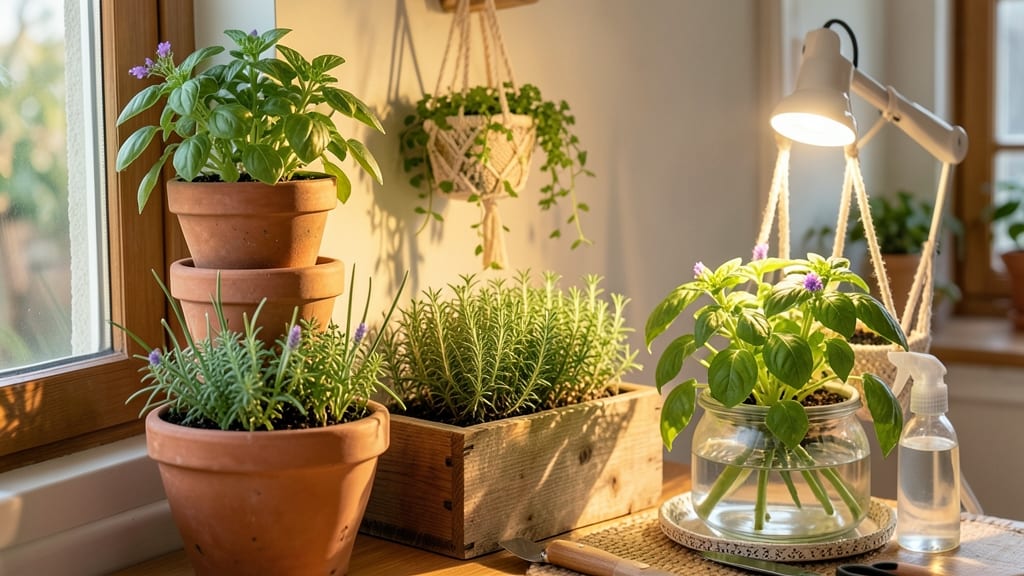
How to have a garden in an apartment might sound impossible, but with the right approach, you can grow fresh herbs and greens right on your balcony or windowsill—no green thumb required. Even in a tiny space, you can cultivate flavorful basil, crisp lettuce, or aromatic mint with minimal effort and maximum reward.
The key is choosing the right apartment-friendly vegetables 🌱 and containers that fit your space. Whether you have a sunny south-facing window or just a few inches of shelf space, there are solutions to make your urban garden thrive.
We’ll cover everything from selecting compact planters to maximizing light—so you can enjoy homegrown goodness without the hassle.
If you’ve ever dreamed of plucking fresh cilantro for tacos or snipping basil for pasta, this guide makes it easier than ever. I’ll walk you through the simplest, most effective methods for growing your own food, no matter how limited your space.
Let’s turn that small corner of your home into a productive little garden.
You don’t need a backyard to grow your own food—just the right tools and a little creativity. By the end of this, you’ll know exactly which plants to pick, how to care for them, and how to keep them happy year-round. Ready to grow?
Best space-saving planters for apartment herb and green gardens
If you're dreaming of a lush garden but live in an apartment, the right space-saving planters can transform even the tiniest balcony or windowsill into a productive green oasis. The key is choosing containers that maximize vertical space, provide adequate drainage, and suit your herbs and greens.
Whether you prefer sleek modern designs or rustic charm, there’s a planter for every style and need.
I’ve tested countless options, and the best planters for apartment gardens balance functionality with aesthetics. Look for containers with drainage holes, lightweight materials (like fabric or plastic), and modular designs to stack or hang.
These features make it easier to rotate plants for even sunlight exposure and prevent root rot—a common issue in small pots.
Vertical planters are my top recommendation for apartments with limited floor space. They attach to walls or railings, freeing up valuable real estate for seating or decor. For example, a wall-mounted pocket planter can hold 10+ herb plants in a single unit, perfect for basil, thyme, or parsley. Hanging planters, like macramé or wire baskets, add a boho touch while keeping plants at eye level for easy harvesting.
Now, let’s compare the best options to help you decide which planter will work best for your apartment garden. Below is a detailed breakdown of popular styles, including their pros, cons, and ideal use cases.
| Planters | Best For | Material | Drainage | Sunlight Needs | Space Savings |
|---|---|---|---|---|---|
| Vertical Wall Planters | Herbs, microgreens, leafy greens | Plastic, fabric, or wood | Yes (built-in holes) | Partial to full sun | Maximizes wall space |
| Hanging Baskets | Trailing herbs (e.g., mint, chives), flowers | Coconut coir, wire, or ceramic | Yes (or add holes) | Bright indirect to partial sun | Hangs from ceilings/railings |
| Modular Stacking Trays | Leafy greens, salad mixes | Plastic or ceramic | Yes (individual pots) | Full sun to partial shade | Stacks vertically for small footprints |
| Window Boxes | Herbs, dwarf veggies (e.g., cherry tomatoes) | Wood, metal, or resin | Yes (or DIY holes) | Full sun (south-facing windows) | Fits under windowsills |
| Self-Watering Containers | Leafy greens, herbs (low-maintenance) | Plastic with reservoirs | Yes (built-in system) | Partial to full sun | Reduces watering frequency |
When selecting a planter, prioritize drainage holes to prevent root rot, especially in herbs like basil or parsley, which hate soggy soil. For leafy greens like lettuce or spinach, opt for wider, shallower containers to encourage shallow root growth.
If your apartment lacks natural light, choose reflective materials (like glossy ceramic) to bounce extra light onto your plants.
I also recommend starting with 3–5 planters to test different layouts. For example, place a vertical planter on your balcony railing for herbs, hang a basket of mint near your kitchen window, and use a stacking tray for salad greens on a sunny windowsill.
This setup keeps everything accessible while maximizing your limited space.
Don’t overlook the importance of rotating your planters every few days. Since apartment windows often provide uneven light, turning pots ensures all sides of your plants receive equal exposure. This simple habit can double your harvest yield and keep your greens lush and healthy.
For those with limited sunlight, consider adding a small LED grow light (like a clip-on model) to supplement natural light. These affordable
Step-by-step guide to maximizing sunlight in your apartment garden
Sunlight is the single most critical factor for growing herbs and greens in an apartment. Without enough light, your plants will grow leggy and weak, or worse—fail entirely. The good news? With a few smart strategies, you can mimic outdoor sunlight even in the dimmest corner.
Start by assessing your space: south-facing windows get the most light, while north-facing windows offer gentler, indirect rays that work well for leafy greens.
If your apartment lacks natural light, don’t despair. Grow lights are a game-changer for urban gardeners. LED grow lights are energy-efficient and provide the full spectrum of light plants need to thrive.
Position them 6–12 inches above your plants and keep them on for 12–16 hours daily to simulate a full day of sunlight. For herbs like basil and parsley, 14–16 hours of light will keep them lush and productive.
Optimize Your Window Space
- Rotate pots weekly to ensure even light exposure on all sides.
- Use reflective surfaces like aluminum foil or mirrors to bounce light deeper into the room.
- Place pots within 1–2 feet of the window for maximum brightness.
- Clean windows monthly to remove dust blocking sunlight.
Supplement with Grow Lights
- Choose full-spectrum LEDs for best results with herbs and greens.
- Hang lights 6–12 inches above plants to avoid burning leaves.
- Run lights for 12–16 hours daily to replace natural sunlight.
- Adjust height as plants grow to maintain optimal light distance.
Select Light-Loving Plants
- Basil and parsley thrive with 6+ hours of direct light daily.
- Leafy greens like spinach and kale tolerate 4–6 hours of light.
- Avoid low-light plants like peace lilies—they’ll stunt your herbs.
- Use compact varieties to maximize space near light sources.
For balcony gardens, take advantage of outdoor light by positioning your planters where they’ll get at least 4–6 hours of sunlight daily. If your balcony faces north, pair it with a grow light for 2–4 extra hours to boost growth.
Group plants with similar light needs together to simplify care—sun-lovers like basil should never share space with shade-tolerant greens like arugula.
Pro tip: Use a light meter app to track light levels in your space. Aim for 10,000–20,000 lux for optimal growth. If your readings are low, supplement immediately with grow lights or relocate your garden to a sunnier spot.
Remember, consistency is key—plants adapt to steady light conditions but struggle with erratic exposure.
With these strategies, even a tiny apartment can support a thriving herb and green garden. Start small, monitor your plants’ response to light, and adjust as needed. Soon, you’ll be harvesting fresh basil for pesto and spinach for salads—all grown with sunlight you’ve mastered! 🌿