
Picking
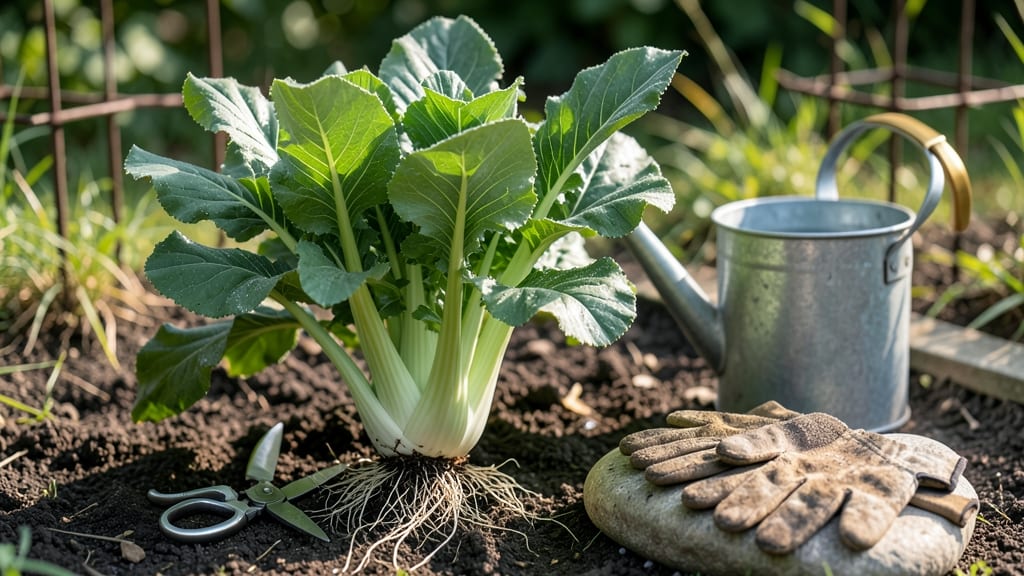
How to harvest celery so it keeps growing—cut once, and you’ll get fresh regrowth in weeks. 🌱 The trick is knowing when and how to cut without killing the plant. Most gardeners pull the whole stalk, but with the right technique, you’ll get multiple harvests from a single plant.
Start when stems reach 12-15 inches tall—thicker than a pencil but not woody. Use a sharp knife to slice 1-2 inches above the base, leaving a 3-inch stump (this prevents rot). Water immediately after cutting, and keep soil moist but not soggy.
Within 3-4 weeks, new shoots emerge from the stump. Snip these at 8-10 inches for tender regrowth, and repeat 2-3 times per season. Over-harvesting weakens the plant—never cut below 2 inches or the center will rot.
Bonus: Mulch with straw to retain moisture and shade the base on hot days. If leaves yellow, it’s thirsty; if brown, it’s overwatered. Patience pays off—one plant can yield 5+ harvests with proper care.
📚 In This Guide
- What you need
- Instructions
- Tips and common mistakes
- Wrapping up and next steps
What you need
- ● Fresh celery stalk – Choose a organic, pesticide-free bunch with at least 2–3 inches of the base still intact (the wider, the better!). Avoid pre-cut, wilted, or overly fibrous stalks.
- ● Sharp knife or pruning shears – A clean, sterilized blade (like a chef’s knife or garden shears) to make precise cuts. Disinfect with rubbing alcohol before use!
- ● Water – A clear glass or jar (8–12 oz capacity) filled with room-temperature water. Avoid tap water with high chlorine—let it sit out for 24 hours if needed.
- ○ Optional: Root hormone powder – A natural rooting agent (like willow water or cinnamon powder) to boost regrowth. Not required but helpful for stubborn stalks!
- ● Small pebbles or marbles – Place 1–2 in the bottom of your jar to keep the stalk upright and submerged.
- ● Natural sunlight or grow light – A south-facing windowsill or LED grow bulb (12–16 hours of light/day) speeds up growth.
- ● Fresh water supply – A spray bottle for misting leaves if they dry out.
- ○ Food coloring (optional) – A drop of natural dye (like beet juice) to track water absorption—fun for kids!
Tips & tricks for perfect celery regrowth
These simple strategies will help you maximize your celery stump's potential and avoid common pitfalls along the way.
Selection is Everything: When choosing your celery stump in Step 1, focus on the base's thickness and color. A stump with a 2-inch base that's firm and pale yellow (not green) indicates healthy stored energy for regrowth. The leaves should be crisp and vibrant green—not wilted or yellowing. I've found that organic celery often has thicker, more resilient bases perfect for regrowth. This initial selection determines 80% of your success.
Water Management Matters: During the critical 3-5 day root initiation phase in Step 2, maintaining that ½ inch water level is crucial. Use a shallow dish with straight sides to make monitoring easier. I recommend changing the water every 2 days to prevent bacterial growth, even though the instructions suggest daily topping. Stagnant water can introduce harmful microbes that derail root development before it begins. The key is balance—enough moisture to encourage roots, but not so much it creates a breeding ground for contamination.
Transplanting Technique: When transplanting in Step 3, don't rush the 7-10 day window—wait until you see roots at least 1 inch long. Gently press the soil around the base rather than packing it down, which can compact and restrict root growth. I've noticed that using a small hand trowel to create a shallow hole before placing the stump helps position it exactly just below the soil surface without guesswork. This precision makes all the difference in establishing strong root systems.
Harvesting Strategy: For continuous harvests in Step 4, establish a routine: harvest outer stalks when they reach 6-8 inches, always leaving the innermost stems. This selective approach mimics natural pruning and stimulates bushier growth. I've found that marking harvest dates on a calendar helps maintain that 2-3 week interval. The plant will tell you when it's ready—look for stalks that feel firm and snap cleanly when bent slightly at the base.
Pro Tips for Harvest Celery So It Keeps Growing
- These simple strategies will help you maximize your celery stump's potential and avoid common pitfalls along the way.
- Selection is Everything: When choosing your celery stump in Step 1, focus on the base's thickness and color. A stump ...
- Water Management Matters: During the critical 3-5 day root initiation phase in Step 2, maintaining that ½ inch water ...
Frequently asked questions
Got questions about harvesting celery without killing your plant?
You’re not alone! Here are answers to the most common queries—so you can keep regrowing fresh celery like a pro.
How do I know when my celery is ready to harvest?
Harvest celery when the stalks are firm, crisp, and about 10–12 inches tall. Avoid waiting too long—they’ll become woody and bitter. For regrowing, cut just above the base (leave 1–2 inches of stump) when the outer stalks are mature but still tender. Pro tip: Snip in the morning for the freshest flavor!
How long does it take for celery to regrow after harvesting?
With proper care, new shoots emerge in 2–4 weeks, depending on light and warmth. Keep the stump moist and in bright indirect light (like a sunny windowsill). If growth stalls, check for root rot or insufficient light—adjust as needed!
Why isn’t my celery regrowing? What’s going wrong?
Common culprits:
- Dry soil: Celery roots need consistent moisture. Let the top inch dry out, then water thoroughly.
- Too much sun: Scorch the stump with direct sunlight? Move it to indirect light.
- Nutrient depletion: After 2–3 harvests, fertilize lightly with diluted seaweed or compost tea.
Fix it fast: Trim any mushy roots, repot if needed, and wait for new growth!
Can I eat the regrown celery? Is it safe?
Regrown celery is safe and nutritious, though slightly smaller. Rinse well to remove dirt, and use it like fresh celery—raw in salads, soups, or stir-fries. Bonus: It’s often more flavorful since it’s harvested at peak tenderness!
What if my celery stump rots before regrowing?
Don’t toss it! If the base turns mushy, trim the rotten parts down to firm tissue, then replant in fresh, sterile potting mix. Keep it humid (cover with a plastic bag if needed) and avoid overwatering. With patience, new shoots may still sprout!
Wrapping up and next steps
Harvesting celery the right way doesn’t just give you fresh stems—it turns your kitchen scraps into a thriving, endless supply of homegrown goodness! 🌱 With just a sharp knife, clean water, and a little patience, you can regrow celery again and again, cutting food waste while enjoying crisp, flavorful harvests.
Now that you’re armed with the know-how, why not try it today?
Ready to take the next step? Grab a celery stalk from your fridge, follow the steps, and watch your garden grow! Share your progress with fellow gardeners—you might just inspire someone else to start their own regrowth adventure. Happy harvesting! 🌿