
How To
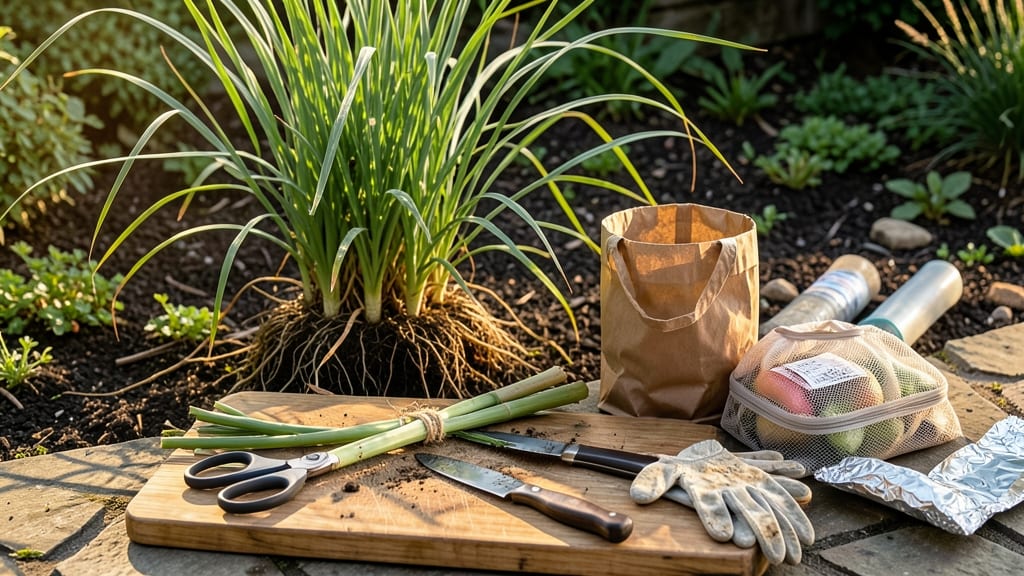
Harvesting and storing lemon grass the right way can turn this fragrant herb into your kitchen's secret weapon—packing every dish with bright, citrusy flavor for months.
The key lies in timing: cut stalks at the perfect moment, and you'll unlock a bounty of fresh, aromatic stems ready for soups, teas, or marinades.
Most gardeners miss the best harvest window, which is when stalks reach 12-18 inches tall and the base thickens to about ½ inch. That's when the flavor is strongest, and the plant can regrow for your next harvest.
But if you wait too long, the stalks become woody and lose their punch.
Once you've got your perfect stalks, storing them properly is just as critical. Whether you're freezing whole stalks, drying them for powder, or keeping them fresh in the fridge, each method has its own tricks to preserve that signature lemony aroma.
I'll walk you through every step so you never waste a single stem.
From avoiding common storage mistakes to reviving wilted stalks, you'll learn how to keep your lemon grass flavorful and ready whenever your recipes call for it. Let's get started!


When and how to harvest lemon grass for peak flavor and regrowth
Harvesting lemon grass at the right time ensures bold flavor and encourages regrowth for continuous yields. The best time to harvest is when stalks reach 12-18 inches tall and the base measures about ½ inch in diameter.
This usually happens 60-90 days after planting, depending on your climate and growing conditions.
Look for vibrant green leaves that are fully elongated and firm stalks with a strong citrus aroma when crushed. If you wait until the plant flowers, the flavor becomes bitter and harsh, ruining its culinary potential. Early harvests also prevent the plant from becoming woody and tough.
Use a sharp knife or pruning shears to cut the stalks about 2 inches above the base. This leaves enough of the stem to regrow while preserving the plant’s health. Avoid pulling or tearing the stalks, as this can damage the roots and stunt future growth.
After harvesting, remove the outer leaves and any dried or yellowed sections at the base. These parts are less flavorful and can harbor pests. Keep the inner white stalk and the lower green leaves, as these contain the most potent oils and aroma.
If you need frequent harvests, space them out by 6-8 weeks to allow the plant to recover. Over-harvesting weakens the plant, leading to stunted growth or death.
In warmer climates, lemon grass can produce multiple harvests per year, while cooler regions may yield just one or two harvests before winter dormancy.
To encourage regrowth, fertilize your lemon grass with a balanced 10-10-10 fertilizer after each harvest. Water deeply to help the plant recover, and ensure it receives full sun (6+ hours daily). With proper care, a single plant can provide continuous harvests for years.
| Harvest Stage | Stalk Height | Base Diameter | Flavor Quality | Regrowth Potential |
|---|---|---|---|---|
| Too Early | Under 10 inches | Less than ¼ inch | Mild, underdeveloped | Weak, stunted |
| Optimal | 12-18 inches | ½ inch or thicker | Bold, citrusy | Strong, healthy |
| Overripe | Over 24 inches | ½ inch or thicker | Bitter, harsh | Slower recovery |
For container gardening, harvest lemon grass with extra care to avoid damaging the roots. Smaller pots limit root space, so prune back outer leaves instead of cutting the entire stalk. This reduces stress on the plant while still yielding flavorful harvests.
If your lemon grass starts to flower, it’s a sign the plant is past its prime for harvest. Remove the flower stalks to redirect energy into leaf growth. In some cases, flowering can be delayed by pruning regularly, but it’s inevitable in older plants.
Store freshly harvested lemon grass in the refrigerator for up to 2 weeks or freeze it for longer-term use. For drying, bundle stalks and hang them in a dark, dry place until crisp. Proper storage ensures you always have fresh, aromatic lemon grass on hand.
Step-by-step guide to storing lemon grass fresh, frozen, OR dried
Once you’ve harvested your lemon grass at the perfect time, preserving it properly ensures you enjoy its bold, citrusy flavor all year. Whether you prefer fresh stalks, frozen bundles, or dried powder, each method has its own benefits and best uses.
I’ll walk you through the best practices for each, so you never waste a single stalk.
For short-term use (up to 2 weeks), storing lemon grass in the fridge is the simplest method. Trim the stalks to remove the tough lower inch, then wrap the remaining white base tightly in a damp paper towel.
Place them in a sealed plastic bag and store in the crisper drawer. This keeps the stalks firm and aromatic, ready to use in soups or teas.
🌿 Storage Method Comparison
| Method | Prep Steps | Shelf Life | Best For |
|---|---|---|---|
| Fresh (Refrigerated) | Trim stalks, wrap in damp towel, seal in bag | 2 weeks | Short-term cooking |
| Frozen (Whole or Chopped) | Trim, wash, freeze in bundles or ice cube trays | 6-12 months | Long-term soups, marinades |
| Dried (Powdered or Whole) | Dry stalks, grind or store whole in airtight container | 1 year | Spices, teas, long-term storage |
For long-term storage, freezing is my go-to method. Start by trimming the stalks and removing the tough outer layers. You can freeze them whole by tying them in bundles with twine, or chop them finely and store in ice cube trays with water or oil for easy portioning.
Once frozen, transfer to a sealed freezer bag and label with the date. This method preserves up to 6-12 months of flavor, perfect for stocks or marinades.
If you prefer a dried lemon grass powder, begin by hanging the stalks in a dry, dark place for 1-2 weeks until completely brittle. Once dry, remove the leaves and grind them into a fine powder using a spice grinder.
Store the powder in an airtight container away from light, where it’ll keep for up to 1 year. This is ideal for adding to homemade spice blends or teas.
Pro tip: Always label your stored lemon grass with the date. Freshness fades over time, and knowing when you stored it helps you use it before flavor diminishes. For example, frozen lemon grass starts losing potency after 6 months, while dried powder retains its aroma longer.
Whether you choose to store your lemon grass fresh, frozen, or dried, the key is consistency in technique. With these methods, you’ll always have access to that bright citrusy kick—no matter the season. Happy preserving! 🌱