How To
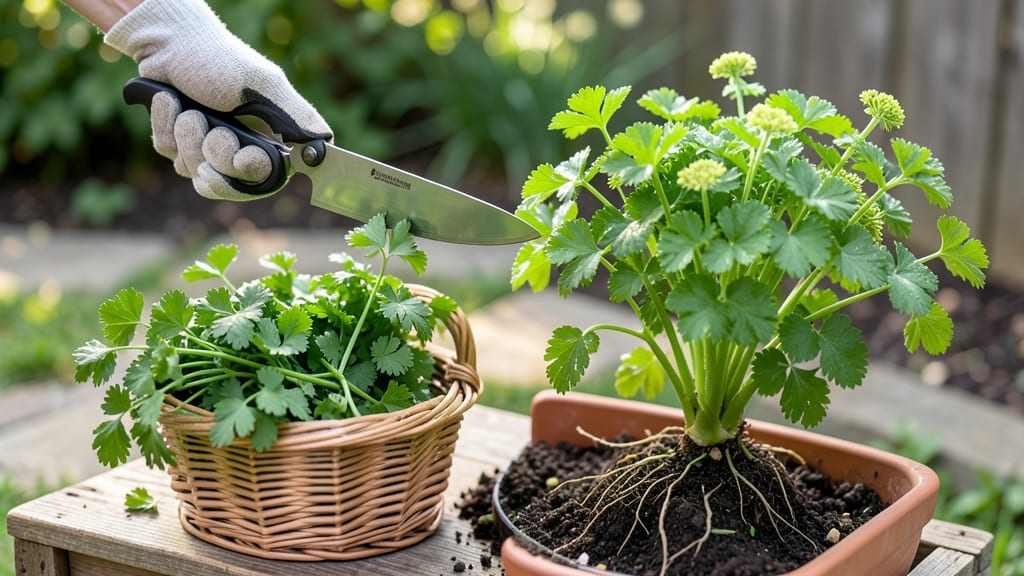
Harvesting fresh parsley at the right time and with the right technique can mean the difference between a thriving 🌿 plant and one that struggles to bounce back.
That bright, vibrant parsley you love in your cooking isn't just a garnish—it's a hardworking herb that rewards proper care with continuous growth and flavor.
If you've ever wondered why your parsley seems to wilt after harvesting or how to keep it producing those lush leaves all season, you're not alone. The key lies in understanding when to snip—before flowering for maximum flavor—and how to do it without damaging the plant.
I'll walk you through the best practices so you can enjoy a steady supply of fresh parsley from your garden.
Timing matters more than you might think. Harvesting in the morning after the dew has dried gives you the freshest leaves, while cutting too much at once can stunt regrowth.
Whether you're dealing with curly or flat-leaf varieties, these simple techniques will help you maintain a healthy, productive parsley plant throughout the growing season.
Ready to transform your harvesting routine? Let's dive into the exact steps to keep your parsley flourishing, from the first snip to the last harvest of the season. Your kitchen—and your parsley—will thank you for it.


Best times and methods to harvest fresh parsley for continuous growth
Harvesting parsley at the right time ensures flavorful leaves and encourages regrowth for a continuous supply. The best time to harvest is in the morning, right after dew has dried. This gives you the freshest leaves and prevents wilting from heat.
For flat-leaf parsley, which is often more flavorful, aim to harvest when the leaves reach 4-6 inches in length. Curly parsley, while popular for garnishes, tends to be slightly milder in flavor. Both varieties thrive when harvested before flowering—once parsley bolts, the leaves become bitter and tough.
Use a sharp pair of scissors or pruning shears to snip stems just above a leaf node. This encourages new growth from that point. Avoid pulling leaves by hand, as this can damage the root system and stunt future harvests.
Here’s how to harvest parsley step-by-step for maximum regrowth:
Seasonal timing matters too. For spring-planted parsley, start harvesting in late spring (around May) and continue through summer. If you plant parsley in late summer, harvest in fall before the first frost hits.
Both varieties perform best in cool temperatures and may struggle in hot, dry heat.
After harvesting, rinse the leaves under cool water to remove dirt and pat them dry with a paper towel. Store them in the fridge in a sealed container with a damp paper towel to keep them fresh for up to 10 days.
For long-term storage, consider freezing or drying the leaves.
If your parsley starts to bolt (send up flower stalks), it’s time to harvest the remaining leaves quickly. Once bolted, the leaves lose their flavor and tenderness, but you can still use them in cooked dishes where bitterness is less noticeable.
To prevent bolting, ensure your parsley gets partial shade and consistent moisture.
Pro tip: If you’re growing parsley in containers, harvest slightly more frequently than in-ground plants. Container-grown parsley can become root-bound faster, so regular pruning encourages bushier growth and prevents legginess.
With the right techniques, your parsley will reward you with abundant harvests all season long—no need to buy it at the store when you can grow your own! 🌿
Best times and methods to harvest parsley for continuous growth
Harvesting parsley at the right time ensures you get the most flavorful leaves while encouraging your plant to keep growing. The best time to harvest is in the morning after dew has dried, when the leaves are crisp and full of moisture.
This timing also helps prevent fungal issues from evening dampness. For continuous growth, avoid harvesting during extreme heat or cold, as these conditions stress the plant.
When it comes to what to harvest, focus on the outer leaves first. These are mature enough to use but leaving the inner leaves allows the plant to keep producing.
For flat-leaf parsley, you can also snip entire stems down to a few inches above the soil—just avoid cutting more than one-third of the plant at once to prevent shock. Curly parsley is more delicate, so handle it gently to avoid damaging its frilly foliage.
If you're growing parsley for seeds, wait until the plant bolts—when it sends up a tall flower stalk. The seeds form in clusters at the top, and you can harvest them by cutting the entire stalk and drying it upside down in a paper bag.
This process takes about 2-3 weeks of drying time. Just be sure to label your seed heads to avoid mixing varieties!
For seasonal harvesting, focus on spring and fall for the best flavor and yield. In summer heat, parsley may bolt prematurely, so provide afternoon shade and keep the soil consistently moist.
If you notice the plant flowering too early, trim the flower stalks immediately to redirect energy back into leaf production.
Regular harvesting not only gives you a steady supply of fresh parsley but also encourages your plant to grow bushier and more productive. With the right techniques, you can enjoy homegrown parsley for months, whether you're using it in soups, salads, or as a garnish.
Just remember: patience and precision are key to keeping your parsley thriving! 🌱