
How To
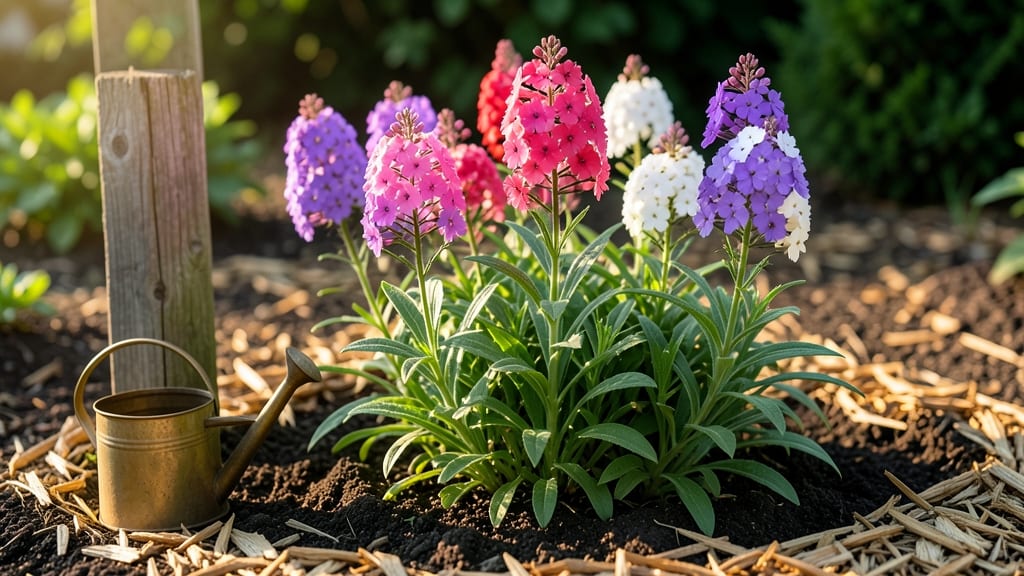
How to grow tall phlox reaching 6 feet in your garden isn’t just possible—it’s your new summer centerpiece. 🌿 I’ve grown these sun-loving beauties for years, and the secret to their towering stems starts long before planting day. The right soil mix, strategic pruning, and a few simple tricks will transform your phlox from scraggly to showstopping.
You’ll need well-draining soil with organic matter (think compost or aged manure), a spot with full sun, and patience—these plants reward consistency over fussing. The first year is all about establishing roots; by year two, you’ll see those bold, upright stems loaded with fragrant blooms.
Even better? They thrive in USDA Zones 4-9, making them a no-fuss choice for most climates.
📚 In This Guide
- What you need
- Instructions
- Tips and common mistakes
- Wrapping up and next steps
What you need
- ● Tall Phlox Seeds or Plants: Choose Phlox paniculata varieties (e.g., 'David,' 'White Supreme,' or 'Lavender Lace'). Start with 3–5 plants or 50–100 seeds for a full display.
- ● Well-Draining Soil: A mix of 60% garden soil, 30% compost, and 10% perlite or sand (pH 6.0–7.0). Test soil pH with a kit if unsure.
- ● Sunlight: A spot with full sun (6–8 hours/day). Partial shade (morning sun) works in hot climates.
- ● Watering Can or Hose: With a gentle spray nozzle to avoid disturbing roots.
- ● Garden Trowel: For planting seeds or transplanting seedlings.
- ● Pruning Shears: Sharp, bypass-style shears for deadheading and shaping.
- ○ Mulch (Optional but Recommended): 2–3 inches of organic mulch (e.g., shredded bark or straw) to retain moisture and suppress weeds.
- ● Fertilizer: A balanced, slow-release granular fertilizer (10-10-10) or organic compost tea for feeding.
- ○ Stakes or Supports (Optional): 6-inch metal or bamboo stakes to prevent flopping in windy areas.
- ● Hardiness Zones: Tall phlox thrives in Zones 4–9. Adjust planting time based on your zone:
- ● 🌱 Seeds: Start indoors 10–12 weeks before last frost or direct-sow after soil warms to 50°F (10°C).
- ● 🌿 Plants: Transplant after last frost (spring) or early fall for established roots.
- ● Water Needs: Keep soil consistently moist (1 inch/week) but avoid waterlogging.
Step-by-step instructions for cultivating towering tall phlox
Here's how to coax those signature 3-5 foot phlox spikes into your garden—with fewer flops than I had my first time.
🌱 Step 1: Select the Right Site and Soil
Tall phlox thrives in full sun to partial shade (at least 6 hours of direct sunlight daily). I've found the sweet spot is morning sun with afternoon shade in hot climates—this prevents the stems from becoming weak and flopping. The soil should be well-draining but moisture-retentive, with a pH between 6.0 and 7.0.
Before planting, amend heavy clay soil with 2-3 inches of compost and mix in a handful of perlite to improve drainage. Tall phlox hates soggy roots, so if your site floods after rain, raise the planting area by mounding soil or creating a small berm. Test your soil's drainage by digging a hole, filling it with water, and checking how quickly it drains—if it takes more than 2 hours, you need to improve drainage further.
🌿 Step 2: Plant at the Correct Depth and Spacing
Plant tall phlox in early spring or early fall to give roots time to establish before summer heat. Dig holes twice as wide as the root ball but only as deep as the root ball itself—burying too deep suffocates the crown and encourages rot. Space plants 18-24 inches apart to allow for air circulation, which is critical for preventing powdery mildew.
Gently remove the plant from its container and loosen any circling roots with your fingers. Place it in the hole so the top of the root ball sits just ½ inch below soil level. Backfill with native soil mixed with a 2-inch layer of compost, then water deeply to settle everything. You'll know you've done it right when the soil looks evenly moist but not compacted.
☀️ Step 3: Provide Consistent Water and Fertilizer
Water newly planted phlox deeply once a week during the first growing season, allowing 1-2 inches of water to penetrate the soil. After establishment, phlox becomes quite drought-tolerant, but you'll see the tallest, sturdiest stems when moisture is consistent. Water at the base of the plant in the morning to reduce evaporation and fungal risks.
Fertilize in early spring with a balanced, slow-release fertilizer (10-10-10 or similar) applied at half the recommended rate. Avoid high-nitrogen fertilizers—they promote leafy growth at the expense of strong stems and blooms. You'll notice the difference in 4-6 weeks when stems grow thicker and more upright, rather than leggy and weak.
✂️ Step 4: Prune for Height and Bloom Abundance
Cut back last year's stems to 6 inches tall in early spring before new growth begins. This encourages bushier, stronger growth and prevents the stems from becoming woody and brittle. If you skip this step, you'll end up with fewer but taller stems that flop over under their own weight.
Deadhead spent blooms regularly throughout the season to encourage continuous flowering. Pinch back the tips of new growth by ⅓ in early summer to promote branching and create a fuller, more compact plant. You'll see new side shoots emerge within 2-3 weeks, which will produce even more blooms and support taller, sturdier stems.
🪴 Step 5: Support and Protect for Maximum Height
Install 3-4 foot tall garden stakes or rings around each plant in late spring as the stems begin to elongate. Tie the main stems loosely to the stakes with soft plant ties or old pantyhose to prevent damage. Avoid tying too tightly—you want to guide growth, not restrict it. This support system is what transforms floppy stems into the towering spikes you're after.
Watch for powdery mildew, which is common on tall phlox in humid conditions. Improve air circulation by thinning crowded stems and apply a copper fungicide preventatively if your garden is prone to fungal issues. You'll know your plants are thriving when they produce 3-5 foot tall stems covered in blooms from mid to late summer, with minimal flopping.
Tips & tricks for cultivating towering tall phlox
Here's what nobody tells you about growing phlox that actually reaches those dramatic heights—lessons I learned after years of trial and error in my own garden.
Sunlight Strategy: That 6 hours of sunlight is non-negotiable, but the timing matters just as much. I've found that morning sun (6 AM to noon) with afternoon shade (after 2 PM) produces the sturdiest stems. In hot climates, afternoon shade prevents the stems from becoming weak and leggy. If your garden only gets afternoon sun, consider planting near a building or large shrub that provides shade during the hottest hours.
Soil Drainage Test: The 2-hour drainage test is your best friend for preventing soggy roots. If water disappears in under 2 hours, you're good to go. If it's still standing after 2 hours, you need to improve drainage by either raising the planting area or adding more perlite to the soil mix. I've seen phlox plants literally rot at the crown when planted in poorly draining soil, so don't skip this step—it's worth the extra 5 minutes of testing.
Pruning Timing: That early spring pruning to 6 inches is crucial for preventing floppy stems, but timing is everything. Wait until you see new growth beginning (usually when your other perennials are just waking up). If you prune too early, you might cut back growth that's already started. I like to do this in late February or early March when the ground is workable but before any leaves appear. This gives your plants the whole growing season to establish strong stems.
Support System: The 3-4 foot stakes are essential, but how you install them makes all the difference. I've found that placing stakes in a circle around each plant (rather than just one stake) provides better support and prevents the plant from tipping over in wind. Use soft plant ties or even old pantyhose—whatever you have on hand—to secure the stems without restricting growth. The goal is to guide, not strangle, the stems as they grow.
Pro Tips for Grow Tall Phlox
- Here's what nobody tells you about growing phlox that actually reaches those dramatic heights—lessons I learned after...
- Sunlight Strategy: That 6 hours of sunlight is non-negotiable, but the timing matters just as much. I've found that m...
- Soil Drainage Test: The 2-hour drainage test is your best friend for preventing soggy roots. If water disappears in u...
Frequently asked questions
Got questions about growing tall, showstopping phlox? You’re not alone! Here are answers to the most common queries—so you can cultivate those dreamy, towering blooms with confidence.
How often should I water tall phlox to encourage height?
Water deeply once or twice a week during the growing season (spring to fall), ensuring the soil stays moist but not soggy. Tall phlox thrives with consistent moisture—especially in the first year—to support strong stem development. Pro tip: Mulch around the base to retain moisture and prevent weeds!
Can I grow tall phlox in containers? What’s the best pot size?
Use a container at least 12–15 inches deep and wide with drainage holes. Dwarf varieties (like ‘David’) work well in smaller pots, while tall types (e.g., ‘David’ or ‘Jeana’) need room to sprawl. Tip: Mix in slow-release fertilizer at planting to fuel vertical growth!
Why isn’t my phlox growing tall? Troubleshooting floppy stems.
Floppy stems often signal overcrowding, poor soil, or weak stems. Thin out congested plants, stake tall varieties early, and amend soil with compost for nutrients. Check for pests (like aphids) too—they sap energy! If stems flop despite care, try a sturdy trellis for support.
Do I need to deadhead tall phlox? How does it affect height?
Deadheading after blooming (removing spent flowers) encourages more flowers and taller stems by redirecting energy. Snip just above a set of leaves to prompt new growth. Skip deadheading if you want seed pods for next year’s natural propagation!
What’s the fastest way to grow tall phlox from seed?
Start seeds indoors 8–10 weeks before last frost in well-draining soil. Keep them warm (65–70°F) and moist until germination (10–21 days). Transplant outdoors after hardening off, and fertilize lightly with a balanced 10-10-10 mix. Patience pays off—seed-grown phlox may take 2 years to reach full height!
Still stumped? Drop your question in the comments—we’re here to help your phlox reach new heights!
Wrapping up and next steps
Growing tall phlox is all about patience, the right conditions, and a little love! With well-draining soil, consistent watering, and plenty of sunlight, these sun-kissed beauties will reward you with towering stems and vibrant blooms. Don’t forget to deadhead and divide your plants to keep them thriving year after year.
Now that you’re armed with the know-how, roll up your sleeves and get planting! 🌱 Start with a small patch or a single pot—your garden’s new star is just waiting for its moment to shine. Happy gardening!