
Size
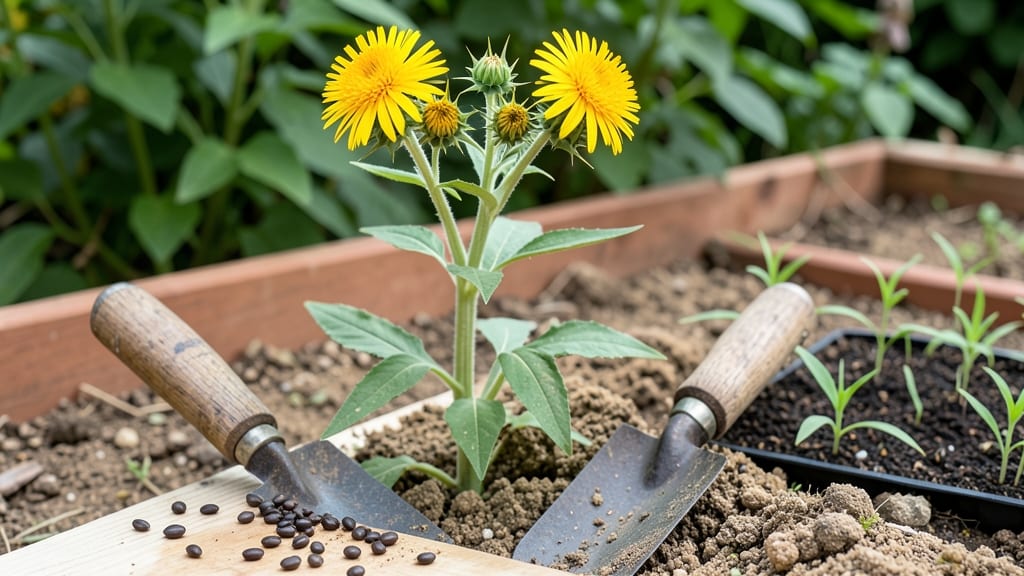
How to grow safflower feels like cultivating sunshine in a stalk. 🌻 These sun-loving annuals transform any garden corner into a golden spectacle with minimal fuss—just give them light, space, and patience. My first batch surprised me with their bold, papery blooms that last weeks, plus seeds perfect for bird feeders or oil extraction. The secret lies in their low-maintenance nature: well-draining soil, 6-8 hours of daily sun, and occasional watering (they hate soggy roots). Plant seeds ½-inch deep after your last frost, spacing them 12-18 inches apart—they’ll reward you with 5-6 foot stems that sway dramatically in the breeze. By mid-summer, you’ll harvest dried blooms for crafts or nutty-flavored seeds for cooking. The plants even attract pollinators while resisting most pests—nature’s multitaskers. Perfect for borders, cut flowers, or even container gardens with deep pots. Works best in zones 3-10, though they bolt quickly in hot climates. Start seeds indoors 4-6 weeks early if your summers are intense. Here’s how to make them thrive where you are!
📚 In This Guide
- What you need
- Instructions
- Tips and common mistakes
- Wrapping up and next steps
What you need
- ● Safflower seeds: Choose high-quality, non-GMO seeds (about 1/4 lb per 100 sq ft). Look for varieties like Safflower 'Golden' or 'Red' for vibrant blooms.
- ● Well-draining soil: Safflowers thrive in loamy, slightly alkaline soil (pH 6.0–7.5). Amend clay or sandy soil with compost or organic matter.
- ● Sunlight: A full-sun location (6+ hours of direct sunlight daily) is a must—safflowers are sun-worshippers!
- ● Water: Keep soil moderately moist (avoid waterlogging). A drip irrigation system or soaker hose works best.
- ○ Fertilizer (optional but helpful): Use a balanced, low-nitrogen fertilizer (10-10-10) at planting and mid-season for robust growth.
- ● Garden trowel or transplanting tool – for planting seeds or seedlings.
- ● Garden rake – to loosen soil before planting.
- ● Mulch (straw or wood chips) – to retain moisture and suppress weeds.
- ● Pruning shears – for deadheading spent blooms (encourages more flowers!).
- ● Row covers or netting – to protect young plants from pests like birds or insects.
- ● pH testing kit – ensures your soil is in the ideal range for safflower growth.
Step-by-Step instructions for growing safflower
Here's how to cultivate these striking sunflowers with minimal fuss—just follow these clear steps.
🌱 Step 1: Choose the Right Location and Prepare Soil
Safflowers thrive in full sun, so select a spot that receives at least 6-8 hours of direct sunlight daily. I always test the soil first—these plants prefer well-draining soil with a pH between 6.0 and 7.5. If your soil is heavy clay, amend it with 2-3 inches of compost mixed into the top 6 inches to improve drainage.
Loosen the soil to a depth of 12 inches with a garden fork or tiller. Safflowers have deep taproots, so breaking up compacted soil now prevents root restriction later. If your soil is sandy, add a handful of organic matter like well-rotted manure to retain moisture without suffocating roots.
🌱 Step 2: Direct Sow Seeds at the Correct Depth
Safflower seeds germinate best when sown directly in the garden after the last frost date, when soil temperatures reach at least 60°F. Plant seeds ½ inch deep and 12-18 inches apart—this spacing gives them room to grow their striking, towering blooms without crowding. I like to plant them in small clusters of 3-4 seeds for a more dramatic display.
Water the soil lightly before sowing to help seeds settle at the proper depth. Avoid pressing seeds too firmly into the soil—they need just enough contact to stay in place, but not so much that they’re buried too deep. If you’re planting in rows, space them 2 feet apart to allow for easy maintenance and airflow.
☀️ Step 3: Water Deeply and Maintain Consistent Moisture
Once seeds sprout, water deeply once a week to encourage deep root growth. Safflowers are drought-tolerant once established, but young plants need 1 inch of water per week to prevent wilting. I water in the early morning to reduce evaporation and fungal risks. Avoid overhead watering as the plants mature—direct water to the base to keep foliage dry.
You’ll notice the first true leaves appear in 7-10 days. At this stage, reduce watering slightly but keep the soil consistently moist. Overwatering can lead to root rot, especially in heavy soils. If the soil feels dry 1 inch below the surface, it’s time to water again. Mulch around the base with 2-3 inches of straw or shredded leaves to retain moisture and suppress weeds.
✂️ Step 4: Provide Support and Deadhead for Longer Blooms
Safflowers grow 3-5 feet tall, and their stems can become top-heavy with blooms. If you notice stems leaning or bending, insert stakes or cages at planting time to provide support. I use 5-foot bamboo stakes driven 6 inches deep into the soil beside each plant, then gently tie the stems to the stake as they grow with soft plant ties.
To encourage more blooms, deadhead spent flowers by snipping off the faded blooms just above a set of leaves. This redirects the plant’s energy into producing new flowers rather than setting seed. I do this every 2-3 weeks throughout the blooming season, which typically lasts 6-8 weeks. Avoid cutting into the main stem—only remove the flower heads.
🌿 Step 5: Harvest Seeds or Enjoy the Blooms
If you’re growing safflowers for their edible seeds, wait until the flower heads turn brown and papery. Cut the entire head off the stem and hang it upside down in a dry, well-ventilated area for 2-3 weeks until the seeds rattle inside. Once dry, rub the seeds out of the head and store them in an airtight container in a cool, dark place.
For ornamental purposes, the blooms last 1-2 weeks once cut. Harvest them in the early morning when moisture levels are highest for the longest vase life. Remove any lower leaves that would sit in water to prevent bacterial growth. With proper care, your safflowers will provide bold, golden blooms from mid-summer until frost.
Tips & tricks for growing stunning safflower blooms
Here's what I've learned after growing these sun-loving beauties year after year—tricks that'll give you showstopping results.
Soil Prep Secret: The 12-inch deep soil loosening in Step 1 is non-negotiable for safflowers. Their deep taproots need that space to establish properly. I like to add a handful of mycorrhizal fungi to the soil mix—it helps roots absorb nutrients more efficiently. This is especially important if you're in clay-heavy soil where drainage is a concern. Think of it as giving your plants a head start on their growth journey.
Planting Strategy: When you're sowing those seeds at ½-inch depth in Step 2, consider planting a few extra seeds in each cluster. Safflowers have a low germination rate, so having 3-4 seeds per spot increases your chances of getting that dramatic display you're after. I've found that planting in clusters also creates a more natural, full look once they mature—like a sunflower that's been professionally styled.
Watering Wisdom: That 1-inch weekly watering guideline in Step 3 is perfect for established plants, but young seedlings need slightly more attention. After the first true leaves appear (around 7-10 days), I switch to watering every 5-6 days rather than weekly. This helps prevent the soil from becoming too dry too quickly while those roots are still developing. A moisture meter is worth its weight in gold here—stick it 1 inch below the surface before watering to make sure you're not overdoing it.
Support System: Don't wait until you see leaning stems to add those 5-foot bamboo stakes in Step 4. I install them at planting time, driving them 6 inches deep right next to each cluster. This prevents any root disturbance later and gives the plants immediate support. Pro tip: Use soft plant ties that won't cut into the stems as they grow. I've seen safflowers reach 5 feet tall with just a gentle breeze—support is crucial for preventing snapped stems and lost blooms.
Pro Tips for Grow Safflower
- Here's what I've learned after growing these sun-loving beauties year after year—tricks that'll give you showstopping results.
- Soil Prep Secret: The 12-inch deep soil loosening in Step 1 is non-negotiable for safflowers.
- Planting Strategy: When you're sowing those seeds at ½-inch depth in Step 2, consider planting a few extra seeds in each cluster.
Frequently asked questions
Got questions about growing safflower? You’re not alone! Here are answers to the most common queries to help you cultivate these stunning sunflowers like a pro.
How long does it take for safflower plants to grow?
Safflower typically takes 80–100 days from seed to maturity, depending on your climate and variety. Early blooms may appear in 6–8 weeks under ideal conditions (full sun, well-drained soil, and consistent moisture). For faster results, opt for faster-maturing varieties like ‘Golden’ or ‘Benicia’.
Can safflower survive frost?
Safflower is not frost-tolerant—it thrives in warm climates (USDA zones 7–10) and can be damaged by temperatures below 32°F (0°C). Start seeds indoors 4–6 weeks before the last frost or wait until soil is at least 60°F (15°C) to plant outdoors. In cooler regions, treat it as an annual.
What can I plant with safflower to improve growth?
Safflower pairs well with companion plants that deter pests or share similar growing needs. Try:
- Marigolds – Repel nematodes and aphids.
- Basil – Enhances flavor if grown near edible varieties.
- Sunflowers – Share sunlight and attract pollinators.
Why are my safflower leaves turning yellow or spotted?
Yellowing or spotted leaves usually signal pests or diseases. Check for:
- Powdery mildew – White powder on leaves? Improve airflow and avoid overhead watering.
- Aphids or spider mites – Tiny pests on undersides? Spray with neem oil or insecticidal soap.
- Overwatering – Safflower hates soggy soil! Ensure drainage and water only when the top inch is dry.
Can I grow safflower in containers?
Yes! Safflower adapts well to containers if given enough space. Use a 5-gallon pot or larger with drainage holes and fill it with well-draining potting mix. Place the container in full sun and fertilize lightly every 4–6 weeks. Dwarf varieties like ‘Little Golden’ work best for pots.
Wrapping up and next steps
Growing safflower is a rewarding journey—whether you're drawn to its striking golden blooms, versatile uses, or low-maintenance charm. With the right soil, sunlight, and spacing, you’ll soon enjoy vibrant flowers, edible seeds, and even natural dyes.
Start small, experiment with varieties, and don’t forget to harvest at the right time for the best results!
Ready to dive in? Pick a sunny spot, grab your seeds, and plant your first batch this season! 🌻✨