
How To
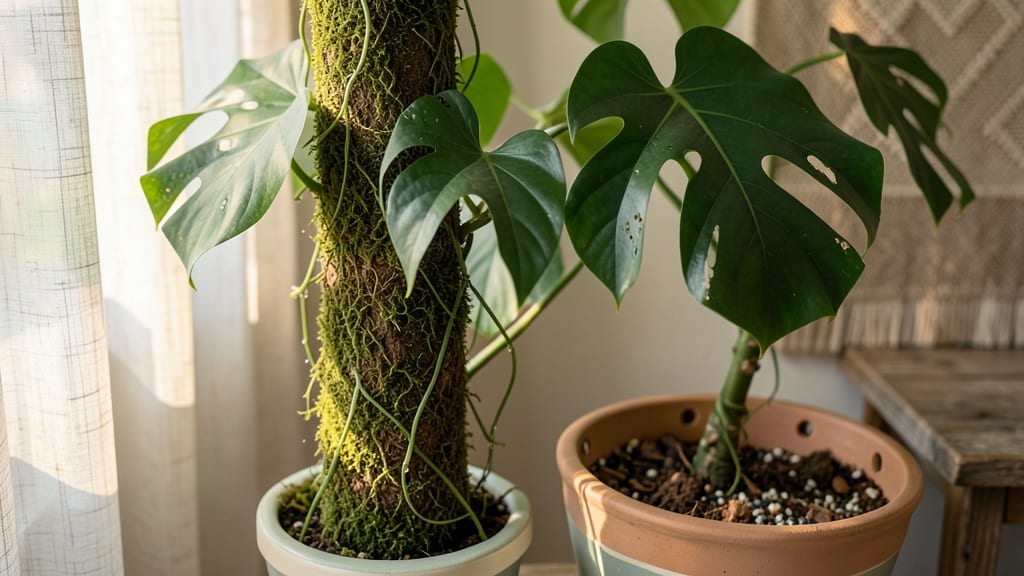
How to grow a tall Monstera feels like unlocking a jungle secret in your home. 🌿 I’ve watched mine climb from a tiny cutting to a leafy giant—here’s how to skip the slow growth and get that dramatic vertical look fast. The key? Light, support, and patience—but not the kind that makes you wait years. Bright, indirect light makes those iconic splits appear faster, while a moss pole or sturdy trellis gives vines something to grab onto. Water when the top inch of soil feels dry, and use well-draining potting mix to avoid root rot. By next spring, you’ll be snapping photos of those monstrous leaves reaching ceiling heights. The best part? It’s foolproof once you nail these basics.
📚 In This Guide
- What you need
- Instructions
- Tips and common mistakes
- Wrapping up and next steps
What you need
- ● Monstera deliciosa plant – Start with a mature plant (1+ years old) or a vine with at least 2-3 leaves for faster growth.
- ● Large, well-draining pot – Minimum 12-16 inches in diameter (or larger for bigger plants). Ensure it has drainage holes!
- ● High-quality potting mix – A chunky blend of: 50% peat-free potting soil or coco coir
- ● 30% orchid bark or perlite (for aeration)
- ● 20% worm castings or compost (for nutrients)
- ● Support structure – Choose one: Moss pole or totem pole (4-6 ft tall, 2-3 inches in diameter)
- ● Trellis or lattice panel (wide enough for vines to cling)
- ● Sturdy wooden stake (if using ties)
- ○ Moisture-retentive sphagnum moss – For wrapping the pole (optional but highly recommended for root adhesion).
- ● Soft plant ties or Velcro straps – To secure vines to the support (if not using moss).
- ● Balanced liquid fertilizer – Diluted 20-20-20 or organic fish emulsion (use every 4-6 weeks during spring/summer).
- ● Spray bottle – For misting leaves (especially in dry climates).
- ● Bright, indirect light – Place near east or north-facing windows or use a grow light (12-14 hrs/day) if natural light is limited.
- ● Humidity – Aim for 60-80%. Use a humidifier, pebble tray, or group plants together.
- ● Temperature range – Keep between 65-85°F (18-29°C). Avoid drafts or cold spots!
- ● Watering routine – Water when the top 2-3 inches of soil are dry. Use room-temperature water and avoid soggy soil.
- ● Grow light – LED or fluorescent for 12+ hours/day if natural light is weak.
- ● Humidifier – For consistent humidity in dry homes.
- ● Slow-release fertilizer pellets – Mix into soil for 3-4 months of nutrients.
- ● Plant food spray – Foliar feed with seaweed or kelp extract for a growth boost.
- ● Second moss pole – Encourage bushier growth by adding a second pole on the opposite side.
Step-by-Step instructions for growing a towering Monstera
Here’s how to coax your Monstera into reaching new heights—no special tricks, just the right care.
🪴 Step 1: Choose the Right Container and Position
Start with a 12-16 inch pot (or larger if you’re growing multiple plants) with drainage holes—Monstera roots need room to stretch downward while the plant climbs upward. I use a terracotta pot for mine because it breathes and prevents root rot, which is a silent killer of vertical growth.
Place your Monstera near a bright, indirect light source, like a few feet from an east- or west-facing window. Too much direct sun scorches the leaves, while too little light stunts growth. You’ll know it’s happy when new leaves unfurl with those signature splits—fenestrations—and the existing ones stay glossy and upright.
☀️ Step 2: Mimic Its Jungle Habitat for Vertical Growth
Monstera thrives in 65-85°F temperatures and 60-70% humidity. If your home runs dry, like mine does in winter, group plants together or use a pebble tray with water beneath the pot to boost humidity. You’ll see the difference in leaf size and vigor within weeks.
Water when the top 2 inches of soil feel dry—stick your finger in to check. Overwatering is the fastest way to kill vertical growth, so let the soil dry out slightly between waterings. A moisture meter takes the guesswork out of it. When roots have space to explore and soil stays evenly damp (not soggy), your Monstera will focus energy on climbing instead of struggling.
🌱 Step 3: Train It to Climb Early
Don’t wait for your Monstera to get leggy—install a moss pole or trellis right after repotting. Press the pole into the soil near the plant and gently tie the main stem to it with soft plant ties or twist ties (no wire—it can damage the stem). As the vine grows, it’ll naturally coil around the pole, which encourages larger, more dramatic leaves.
Here’s the thing—if you skip this step, your Monstera will grow tall but weak, with small leaves clustered at the top. By guiding it upward early, you’re telling the plant, “Grow big, not just long.” Rotate the pot a quarter turn every few weeks so the plant grows evenly toward the light, not just lopsided.
✂️ Step 4: Prune Strategically to Encourage Height
Trim yellow or damaged leaves at the base with clean, sharp scissors to redirect energy to new growth. If your Monstera gets too bushy at the bottom, prune back leggy stems just above a leaf node—this forces the plant to put energy into vertical growth rather than filling out horizontally.
I prune mine in early spring before the growing season kicks off. You’ll see new shoots emerge from the cut nodes within 2-4 weeks, and those shoots will climb faster than the old stems. Avoid pruning in fall or winter—your plant needs all its energy to survive, not regrow.
💧 Step 5: Fertilize for Big Leaves and Strong Stems
Feed your Monstera with a balanced liquid fertilizer (10-10-10 or 20-20-20) every 4-6 weeks during spring and summer. Dilute it to half-strength—too much fertilizer burns roots and stunts growth. I switch to a low-nitrogen fertilizer (like 5-10-10) in fall to prep the plant for dormancy.
You’ll notice a difference in leaf size almost immediately. Big, healthy leaves mean your Monstera is putting energy into vertical growth, not just survival. If you see brown tips or crispy edges, flush the soil with water to remove excess salts, then cut back on fertilizer for a month.
Tips & tricks for growing towering Monstera plants
Here's what nobody tells you about pushing your Monstera to new heights—these are the secrets that turn a cute houseplant into a jungle giant.
Light is Everything: That bright, indirect light in Step 1 isn't just about survival—it's about growth direction. East-facing windows provide perfect morning light that won't scorch, while west-facing windows give gentle afternoon warmth. If your Monstera starts leaning toward one side, rotate it quarter turn every few weeks to encourage even growth toward all light sources. Uneven light causes lopsided plants with weak stems that can't support those massive leaves we're all chasing.
Climbing Support is Non-Negotiable: I've seen too many Monsteras grow tall but weak because owners waited until they were already leggy to add a moss pole. Install that pole immediately after repotting in Step 3—right when you're tying down the main stem. The plant will naturally coil around it, and you'll see those signature fenestrations develop faster. Pro tip: Use a coconut fiber pole if you can find one—it retains moisture better than bamboo and gives the plant something to grip onto as it grows.
Root Space Determines Height: That 12-16 inch pot recommendation in Step 1 isn't arbitrary. Monstera roots grow downward while the plant grows upward, and they need room to explore. If you're growing multiple plants, go larger—18-20 inches—because crowded roots compete for nutrients instead of focusing on vertical growth. I repotted mine last year to a 20-inch container, and within three months, I saw new leaves that were 30% larger than before.
Pruning Timing is Critical: The early spring pruning in Step 4 isn't just about aesthetics—it's about growth cycles. Prune just as new shoots begin to emerge (you'll see tiny buds forming at the nodes), and you'll encourage those shoots to grow straight up toward the light rather than sprawling outward. Avoid pruning in fall or winter—your plant is conserving energy then, and new growth will be slow regardless of how you cut it.
Pro Tips for Grow Monstera Tall
- Here's what nobody tells you about pushing your Monstera to new heights—these are the secrets that turn a cute houseplant into a jungle giant.
- Light is Everything: That bright, indirect light in Step 1 isn't just about survival—it's about growth direction.
- Climbing Support is Non-Negotiable: I've seen too many Monsteras grow tall but weak because owners waited until they were already leggy to add a moss pole.
Frequently asked questions
Got questions about growing your Monstera deliciosa into a towering green giant? You’re not alone! Here are answers to the most common questions about achieving that dreamy vertical growth—so you can keep your plant thriving and climbing like a pro.
How long does it take for a Monstera to grow tall?
With ideal care, a Monstera can grow 2–3 feet per year under the right conditions (bright, indirect light, proper support, and regular watering). However, growth slows in winter or if the plant is stressed. Patience is key—some varieties take years to reach their full height!
Can I grow a Monstera tall without a moss pole?
Yes, but it’ll grow wider, not taller. Monstera naturally climbs, so without support, it’ll sprawl or develop smaller leaves. If you skip the moss pole, try trellises, stakes, or even a sturdy bookshelf for vertical growth. Just ensure the plant has something to grip!
Why is my Monstera growing tall but not splitting leaves?
Split leaves (fenestrations) happen when your Monstera is mature and thriving. If it’s tall but not splitting, it might be too young (usually 2+ years old) or lacking bright, indirect light. Boost light exposure gradually—direct sun can scorch, but low light stunts fenestrations.
How often should I fertilize for tall growth?
Feed your Monstera every 4–6 weeks in spring/summer with a balanced, diluted liquid fertilizer (half-strength). Skip fertilizing in fall/winter when growth slows. Over-fertilizing burns roots—always water before applying fertilizer!
What do I do if my Monstera’s leaves turn yellow?
Yellow leaves usually signal overwatering or poor drainage. Let the top 2–3 inches of soil dry out between waterings, and ensure the pot has drainage holes. If roots are mushy, trim the affected parts and repot in fresh, well-draining soil. Pro tip: Brown tips? Check humidity—Monstera loves 60–80%!
Wrapping up and next steps
Growing a tall, lush Monstera is totally doable with the right care and patience! 🌿 By mastering light, support, and pruning, you’ll watch those iconic leaves reach new heights. Remember, consistency is key—whether it’s rotating your plant for even growth or giving it a sturdy trellis to climb.
Now that you’re armed with the secrets, get hands-on! Start with your current Monstera or pick up a new one—your future jungle queen awaits. Happy growing! 🌱✨