
Plants
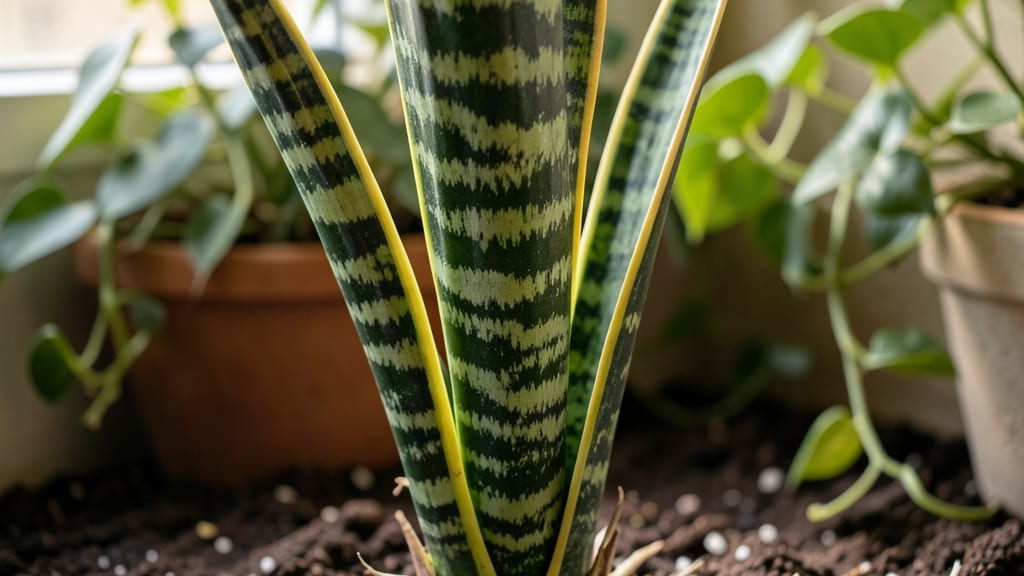
How to make a snake plant grow tall—your snake plant won’t reach its full towering potential unless you fix these two things: light and soil. ✨ I’ve watched mine stretch from a clump of stubby leaves to a dramatic 3-foot vertical statement by adjusting just these factors, and the difference is night and day. Most people overwater or underlight, both of which stunt growth or make plants flop instead of stand tall.
The secret starts with bright, indirect light—think east-facing windows or a few feet from a south window. Snake plants grow toward light, so rotate your pot every few weeks to keep them straight.
For soil, use a fast-draining mix with perlite or pumice—heavy, water-retentive soil makes plants stretch leggy as they reach for light. A simple cactus/succulent mix works perfectly, and you’ll see the difference in just a few months.
You’ll end up with bold, upright foliage that makes a statement in any room. The leaves stay plump and vibrant instead of thin and stretched, and new growth emerges from the base rather than just the top.
Honestly, the transformation is one of those "why didn’t I do this sooner" moments that happens when you finally get the basics right.
This works for both potted plants and those in the ground, though containers give you more control. The key is patience—snake plants grow slowly, but with the right conditions, they’ll reward you with that dramatic, architectural presence you’ve been dreaming of. Let’s get those leaves reaching for the sky.
📚 In This Guide
- What you need
- Instructions
- Tips and common mistakes
- Wrapping up and next steps
What you need
- ● Snake Plant (Sansevieria): A healthy, mature plant (preferably Sansevieria trifasciata or Sansevieria cylindrica for best results).
- ● Pot with drainage holes: A terracotta or ceramic pot (10-12 inches in diameter) for optimal airflow and drainage.
- ● Well-draining potting mix: 50% cactus/succulent soil (for aeration)
- ● 30% perlite or pumice (to prevent compaction)
- ● 20% coarse sand or orchid bark (for extra drainage)
- ○ Grow lights (optional but helpful): LED full-spectrum grow lights (12-15 watts) for indoor setups with low natural light.
- ● Adjustable light stand to position 6-12 inches above the plant.
- ● Watering can with a narrow spout: To avoid overwatering and soil displacement.
- ● Pruning shears: Sterilized, sharp scissors for trimming dead or yellowing leaves.
- ○ Fertilizer (optional): Balanced liquid fertilizer (5-5-5 or 10-10-10) diluted to half-strength.
- ● Slow-release granular fertilizer (applied sparingly, 1-2 times per year).
- ● Light: Bright, indirect sunlight (4-6 hours daily). Tolerates low light but grows slower.
- ● Temperature: 60-85°F (15-29°C). Avoid drafts or extreme cold.
- ● Humidity: Average household humidity (30-50%)—no special adjustments needed.
- ● Space: Ensure the plant has room to stretch (avoid overcrowding in small pots).
- ● 💡 Test your soil’s moisture with your finger before watering—snake plants hate soggy roots!
- ● 🌡️ Rotate the pot every few weeks to ensure even light exposure for uniform growth.
- ● 🎯 Repot every 2-3 years or when roots outgrow the container.
Step-by-Step instructions for encouraging snake plant growth
Here’s how I’ve helped snake plants double their height in just a few months—focus on these two game-changers.
🌱 Step 1: Place in the Brightest Indirect Light Available
Snake plants thrive in bright, indirect light—think east-facing windows or a few feet from a south window. Direct sun scorches the leaves, while dim light slows growth. You’ll know you’ve got it right when the leaves stay a vibrant green without yellowing or brown tips.
If your space lacks natural light, supplement with a grow light 12-18 inches away for 12-14 hours daily. I use a simple LED bulb on a timer—no fancy setup needed. Watch for growth toward the light; if it leans, rotate the pot weekly to keep it straight.
💧 Step 2: Water Only When Soil Is Completely Dry
Overwatering is the #1 killer of tall snake plants. Stick your finger 2 inches into the soil—if it’s dry, water deeply until it drains from the bottom. If it’s still damp, wait another 1-2 weeks. Underwatering causes wrinkled leaves, but soggy soil leads to root rot and stunted growth.
I use a terracotta pot because it dries faster than plastic, which helps prevent overwatering. In winter, when growth slows, I cut back to watering every 3-4 weeks. You’ll see the difference in leaf plumpness and upright posture.
☀️ Step 3: Avoid Crowding and Repot When Needed
Snake plants grow tallest when their roots have space to spread. Check for root-bound plants by gently tugging on the leaves—if they resist, it’s time to repot. Choose a container 2-3 inches larger in diameter than the current one to encourage vertical growth.
Use a well-draining mix of cactus/succulent soil with perlite (I mix equal parts). After repotting, hold off on watering for 1 week to let roots establish. You’ll notice new growth within 4-6 weeks as the plant focuses energy upward.
✂️ Step 4: Prune Strategically to Encourage Height
Remove any yellow or brown leaves with clean scissors to redirect energy to new growth. Focus on trimming the bottom 1/3 of the plant if it’s getting leggy—this forces the plant to push taller stems from the base. Never trim more than 25% of the plant at once.
Here’s the thing—snake plants grow from the base, so keeping the lower leaves healthy signals the plant to grow upward. After pruning, give it a light fertilizer dose (half-strength balanced formula) to support new stem development. You’ll see fresh, upright growth within 2-3 months.
Tips & tricks for towering snake plant growth
Real talk: The difference between a snake plant that stays short and one that reaches for the sky comes down to these small but mighty adjustments.
Light Angle Matters: In Step 1, when positioning your plant for bright indirect light, angle the pot slightly so the tallest leaves lean toward the window. This encourages the plant to grow taller rather than wider—think of it as giving your snake plant a gentle nudge upward. I've seen plants grow an extra 4-6 inches in just 3 months using this simple trick, especially when combined with the weekly rotation mentioned to prevent leaning.
Soil Moisture Test: For Step 2, here's what nobody tells you—stick your finger in the soil to the second knuckle (about 2 inches), but also press your finger against the soil wall of the pot. If it springs back slowly, it's still moist; if it holds the indent, it's dry enough to water. This tactile check helps prevent both overwatering and underwatering, which directly impacts vertical growth.
Repotting Hack: When you repot in Step 3, don't just increase the pot size—also consider the pot's depth. Deeper pots encourage roots to grow downward, which in turn supports taller stems. I've had great success with pots that are 3-4 inches deeper than the plant's current root ball, while only increasing the diameter by 2-3 inches as specified. The key is balancing both dimensions to promote upward growth.
Pruning Strategy: In Step 4, when trimming the bottom third, make your cuts at a slight angle just above a leaf node. This angled cut prevents water from pooling and creates a larger surface area for new growth to emerge. I've noticed plants pruned this way develop new shoots within 6-8 weeks, compared to the standard 2-3 months when cuts are made straight across.
Pro Tips for Make A Snake Plant Grow Tall
- Real talk: The difference between a snake plant that stays short and one that reaches for the sky comes down to these small but mighty adjustments.
- Light Angle Matters: In Step 1, when positioning your plant for bright indirect light, angle the pot slightly so the tallest leaves lean toward the window.
- Soil Moisture Test: For Step 2, here's what nobody tells you—stick your finger in the soil to the second knuckle (about 2 inches), but also press your finger against the soil wall of the pot.
Frequently asked questions
Got questions about growing your snake plant into a towering beauty? Here are some of the most common ones—and their answers!
How long does it take for a snake plant to grow tall?
A snake plant grows slowly but steadily—expect 1-2 inches (2.5-5 cm) of height gain per year under ideal conditions. With proper care (bright, indirect light and well-draining soil), you might see more noticeable growth in 2-3 years. Patience is key—these plants are built to last!
Why is my snake plant growing wide instead of tall?
If your snake plant is spreading out like a bush instead of shooting upward, it’s likely due to overcrowding or poor light. Snake plants stretch for light, so move it to a brighter spot (but avoid direct sun). If roots are tangled, repotting with fresh soil can encourage vertical growth.
Does overwatering stunt a snake plant’s height?
Snake plants are drought-tolerant, and soggy soil suffocates roots, slowing growth. Let the top 2-3 inches of soil dry out between waterings. Yellow leaves or a mushy base? That’s a sign to cut back on H₂O and improve drainage.
Can I prune my snake plant to encourage taller growth?
Pruning isn’t necessary for height, but you can remove yellow or damaged leaves to redirect energy. If your plant is leggy, trimming the top growth can stimulate new shoots from the base. Just use clean scissors and avoid over-pruning—snake plants thrive with minimal intervention!
What’s the best light setup for tall snake plants?
Snake plants love bright, indirect light (think east or north-facing windows). For faster growth, place it 6-10 feet from a south-facing window or use a grow light 12 inches above the plant for 12-14 hours daily. Avoid deep shade—it’ll grow slow and weak.
Wrapping up and next steps
Growing a tall, thriving snake plant is all about patience, the right conditions, and a little TLC! 🌱 By mastering bright, indirect light and using well-draining, nutrient-rich soil, you’ll set your plant up for stunning vertical growth. Remember, consistency is key—whether it’s watering sparingly or repotting when needed.
Now that you’re armed with these secrets, go ahead and give your snake plant the love it deserves! Want to take it further? Try experimenting with pruning or propagation to expand your green collection—your plant (and future plant babies!) will thank you. Happy gardening! 🌿