
Size
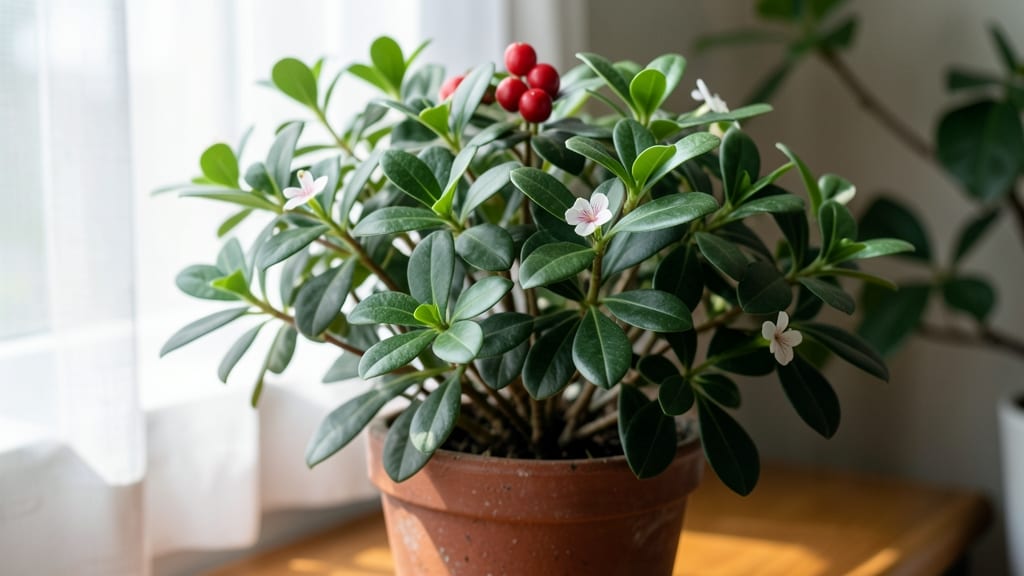
How to grow the miracle fruit plant turns sour into sweet—literally. 🌱 The moment you taste its magic, you’ll wonder why you haven’t grown Synsepalum dulcificum before. This tropical wonder isn’t just a conversation starter; it’s a game-changer for anyone who loves bold flavors or experiments with food. The key to success starts with patience and the right conditions. Unlike finicky houseplants, miracle fruit thrives in warmth and humidity, making it perfect for greenhouses or sunny porches. Seeds are the easiest way to begin, but cuttings from mature plants speed up the process—just keep them moist until roots form. Once established, this plant rewards you with glossy, deep-green leaves and clusters of tiny red berries. A single berry can make lemons taste like candy for hours, and the effect lasts long after the fruit’s gone. The trick is consistency: keep soil lightly moist but never soggy, and protect it from drafts. Whether you’re growing it indoors near a bright window or outdoors in zones 10-12, the payoff is worth the effort. Imagine hosting a dinner where guests experience flavors they’ve never noticed before—all thanks to your garden’s secret weapon.
📚 In This Guide
- What you need
- Instructions
- Tips and common mistakes
- Wrapping up and next steps
What you need
- ● Miracle fruit seeds or a mature plant: Buy seeds from a reputable supplier (e.g., Synsepalum dulcificum) or propagate from a friend’s plant. Quantity: 1–3 seeds or cuttings.
- ● Well-draining potting mix: A blend of peat moss, perlite, and coconut coir (or 50% regular soil + 50% perlite). Quantity: 1–2 gallons per seedling.
- ● Small pots or seed trays: Size: 4–6 inches in diameter with drainage holes. Quantity: 1–3 pots.
- ● Grow lights or sunny window: Light requirement: 6–8 hours of bright, indirect light daily (or a full-spectrum LED grow light for indoor setups).
- ● Spray bottle: For gentle watering during germination.
- ● Humidity dome or plastic wrap: To retain moisture while seeds sprout.
- ● Fertilizer (balanced or citrus-friendly): Example: 10-10-10 NPK or fish emulsion. Frequency: Every 4–6 weeks once established.
- ● Pruning shears: For shaping and harvesting.
- ● Humidifier or pebble tray: Keeps humidity at 60–70% for faster growth.
- ● pH meter or test kit: Ideal soil pH: 5.5–6.5 (slightly acidic).
- ● Mulch (e.g., bark chips): Retains moisture and mimics tropical conditions.
- ● Trellis or support stake: If growing as a vine (though miracle fruit is typically bushy).
- ● Food-safe container: For harvesting and storing berries (e.g., glass jars).
Step-by-step instructions for growing miracle fruit plants
Here's how to nurture these fascinating plants from seed to fruiting—no green thumb required.
🌱 Step 1: Start Seeds in Warm, Moist Soil
Miracle fruit seeds need warmth to germinate, so I recommend using a seedling heat mat set to 75-85°F. Fill a small container with sterile potting mix (not garden soil) and moisten it until damp but not soggy. Plant 2-3 seeds per cell just ¼ inch deep—they're tiny, so I use a toothpick to create the hole.
Cover the container with plastic wrap to trap humidity, then place it in a warm, bright spot (no direct sun yet). Check daily for condensation on the plastic—this means moisture levels are perfect. Germination takes 10-20 days, so patience is key. I label each pot with the date to track progress.
☀️ Step 2: Provide Bright, Indirect Light After Germination
Once seedlings emerge, remove the plastic wrap immediately to prevent fungal growth. Move them to a south-facing window or under grow lights providing 12-14 hours of light daily. Miracle fruit plants need bright conditions but can scorch in direct midday sun—watch for leaf edges turning crispy.
Rotate the pots quarter-turn weekly so plants grow straight instead of leaning toward the light. You'll notice new leaves emerging in 3-4 weeks—these should be dark green and glossy, not pale or yellow. If growth stalls, your light isn't strong enough.
🪴 Step 3: Transplant to Larger Pots When Roots Crowd
After 6-8 weeks, when seedlings have 4-6 true leaves, it's time to upgrade. Choose 6-inch pots with drainage holes and fill them with well-draining potting mix. Gently remove the seedling, keeping the root ball intact, and place it in the new pot at the same depth it grew before.
Press the soil lightly around the roots to eliminate air pockets, then water thoroughly until water runs from the drainage holes. Place the pot in a shady spot for 3 days to reduce transplant shock. After that, return it to bright, indirect light.
✂️ Step 4: Maintain Humidity and Prune for Bushier Growth
Miracle fruit thrives in 70-85°F with 60-70% humidity. If your home air is dry, mist the leaves daily or place the pot on a tray of pebbles with water underneath. Avoid wetting the leaves when watering—focus on keeping the soil evenly moist but never soggy.
Pinch back the tips of new growth when plants reach 6 inches tall to encourage bushier development. This also prevents leggy stems. You'll see side shoots forming in 2-3 weeks—these will produce more flowers and fruit. Feed with balanced liquid fertilizer every 4-6 weeks during growing season.
🍓 Step 5: Harvest and Enjoy the Flavor Magic
Fruits appear 6-12 months after planting as small red berries. They're ready when fully red and slightly soft to the touch. The flavor-altering effect lasts 1-2 hours after eating—perfect for turning sour foods sweet! Harvest by gently twisting the berry from the stem.
Store unripe fruits at room temperature to ripen, or refrigerate ripe ones for up to 3 days. Here's the thing—miracle fruit doesn't store well long-term, so grow just enough for fresh enjoyment. The first harvest is always the most exciting!
Tips & tricks for growing miracle fruit plants
Common pitfalls—and how to sidestep every one—when cultivating these magical little plants.
Seedling Heat Secret: Miracle fruit seeds are finicky about warmth—don't just assume your windowsill is warm enough! If you don't have a heat mat, try placing the seed tray on top of your refrigerator (not inside) for consistent 75-85°F warmth. I've seen germination rates double when seeds stay in that perfect zone consistently. The plastic wrap isn't just for humidity—it creates a mini greenhouse effect that helps maintain that critical warmth.
Lighting Strategy: That 12-14 hours of light requirement isn't optional—miracle fruit plants are tropical and need serious light to thrive. If your south-facing window isn't cutting it (common in cloudy climates), supplement with a basic LED grow light just 6 inches above the plants. I use a timer to automate the 12-hour cycle so I don't forget. Watch for those crispy leaf edges—they're your first warning sign of too much direct sun or insufficient light.
Transplanting Wisdom: The 3-day shade recovery period after transplanting is non-negotiable—this is when most plants fail. During these 3 days, I actually place a humidity dome (plastic bag with holes) over each plant to double down on recovery support. After that, gradually reintroduce them to bright light over 2-3 days to avoid shock. The key is patience—rushing this step often leads to stunted growth later.
Harvesting Hack: Those tiny red berries are deceptively fragile—don't pull them! The gentle twisting motion preserves the stem attachment, which helps the plant redirect energy to produce more fruit. I harvest in the morning when the berries are firmest and the flavor effect is most potent. Store any extras you can't use immediately by wrapping them in damp paper towels in a sealed container—they'll last 2-3 days this way, but honestly, they're so magical you'll want to eat them fresh!
Pro Tips for Grow Miracle Fruit Plant
- Common pitfalls—and how to sidestep every one—when cultivating these magical little plants.
- Seedling Heat Secret: Miracle fruit seeds are finicky about warmth—don't just assume your windowsill is warm enough!
- Lighting Strategy: That 12-14 hours of light requirement isn't optional—miracle fruit plants are tropical and need serious light to thrive.
Frequently asked questions
Got questions about growing miracle fruit? You’re not alone!
Here are answers to the most common queries—from impatient gardeners to flavor-chasers eager to try this magical berry.
How long does it take for miracle fruit to bear fruit?
The wait is worth it! Miracle berries (Synsepalum dulcificum) typically take 2–4 years to produce fruit after planting from seed. Patience pays off—once established, they can yield berries year-round in tropical climates. Pro tip: Grafting mature plants can cut this timeline by years!
Can I grow miracle fruit indoors?
These plants thrive indoors with bright, indirect light (a south-facing window or grow lights work best). Keep humidity high (60%+) and temperatures between 65–85°F (18–29°C). Just ensure your pot has drainage—root rot is a sneaky enemy!
Why aren’t my miracle fruit leaves turning purple?
Purple leaves are a healthy sign when exposed to full sun! If yours stay green, check your plant’s light conditions—miracle fruit loves 6+ hours of direct sunlight daily. Too little light? Move it outdoors or supplement with grow lights. Overwatering can also dull colors, so let the top inch of soil dry out between waterings.
Are there alternatives to miracle fruit for flavor tricks?
Yes! If miracle fruit seems tricky, try these flavor-altering shortcuts:
- Stevia leaves: Naturally sweetens (no flavor magic, but zero calories!).
- Lemon or lime zest: Brightens dishes without altering taste permanently.
- Artificial flavor enhancers (like Miracle Berry powder—pre-made and shelf-stable!).
- Other berries: Solanum quitoense (naranjilla) has a unique tangy-sweet kick.
How do I store miracle fruit berries for later use?
Fresh berries last 3–5 days in the fridge. For longer storage:
- Dry them in a dehydrator (125°F/52°C for 6–8 hours) or oven, then crush into powder.
- Freeze whole berries in an airtight container (up to 6 months).
- Make tinctures: Soak berries in vodka (1:4 berry-to-liquid ratio) for 2 weeks.
Warning: The effect fades after ~2 hours—use fresh or preserved berries within that window!
Wrapping up and next steps
Growing a miracle fruit plant is a rewarding journey that transforms your garden—and your taste buds! 🌱 With the right care, you’ll soon enjoy its unique ability to make sour foods taste sweet. Whether you’re a beginner or a seasoned gardener, this flavor-altering plant is well within reach.
Now that you’re armed with the knowledge, take the next step: start propagating your own miracle fruit today. Share your progress with fellow plant enthusiasts or experiment with its magical effects at your next meal. Happy growing—your taste buds will thank you! 🍓✨