
Size
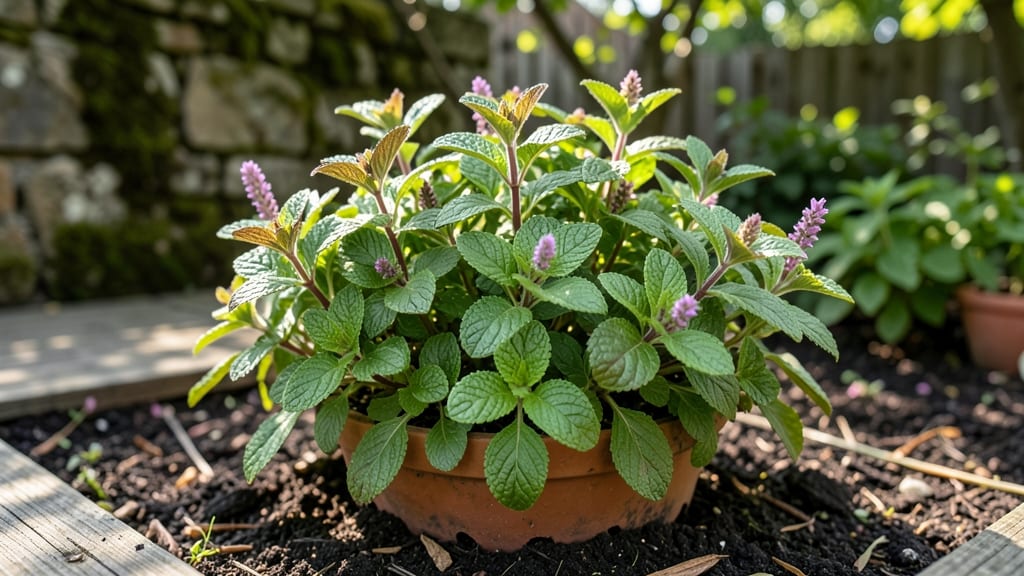
How to grow a chocolate mint plant transforms any garden corner into a fragrant escape with its rich cocoa scent. 🌿 I've grown it for years, and once you taste its chocolatey leaves or see how it spreads, you'll never want to stop. The secret? It thrives in moist soil and partial shade, making it perfect for pots or garden edges where other plants struggle.
This mint variety spreads aggressively—2-3 feet wide—so containment is key. Start with cuttings (easier than seeds) in well-draining soil mixed with compost. Plant in spring after frost, spacing 18-24 inches apart if in-ground, or use 1-gallon containers for pots.
Water consistently to keep the soil damp but not soggy.
By midsummer, you'll harvest lush, velvety leaves perfect for teas, desserts, or garnishes. The plants stay fragrant all season, even after light frosts. Just watch for powdery mildew—thin foliage for airflow and avoid overhead watering.
Works in USDA zones 3-9, though it may die back in harsh winters. For year-round growth, overwinter pots indoors. The chocolatey aroma alone makes it worth growing—imagine fresh mint chocolate chip cookies made with your own harvest!
📚 In This Guide
- What you need
- Instructions
- Tips and common mistakes
- Wrapping up and next steps
What you need
- ● Chocolate mint plant or seeds: 1-2 plants (for propagation) or 1 packet of seeds (500-1,000 seeds). Look for Mentha × piperita 'Chocolate' or similar varieties.
- ● Containers or garden bed: For pots: 1-2 medium-sized containers (10-12 inches in diameter) with drainage holes. Terracotta or fabric pots work best to prevent root rot.
- ● For gardens: A sunny spot with 6+ hours of direct sunlight daily and well-draining soil.
- ● Potting soil: 1 bag (1-2 cubic feet) of well-draining, peat-based or coconut coir mix (avoid heavy clay soil). Add perlite or sand (1 part perlite to 3 parts soil) for better aeration.
- ● Watering can or hose: With a gentle spray nozzle to avoid disturbing soil.
- ○ Fertilizer (optional but recommended): 1 bottle of balanced liquid fertilizer (10-10-10 or 20-20-20) or
- ● 1 slow-release granular fertilizer (e.g., osmocote) mixed into soil at planting.
- ● Pruning shears: Sharp, clean pair for trimming (sterilize with rubbing alcohol between cuts).
- ● Garden gloves: To protect hands from mint’s aggressive roots (it spreads fast!).
- ● Mulch: 1 bag of straw or shredded leaves to retain moisture and suppress weeds.
- ● Root barrier: For garden planting: 1 roll of landscape fabric (to contain roots if planting near other plants).
- ● pH test kit: To check soil acidity (ideal range: 6.0–7.0). Adjust with lime (to raise pH) or sulfur (to lower it) if needed.
- ● Compost or worm castings: 1 small bag (for nutrient boost; mix 1 part compost to 3 parts soil).
Step-by-Step instructions for growing chocolate mint plants
Here's how I grow lush, fragrant chocolate mint—whether you want it contained in pots or spreading through your garden.
🌱 Step 1: Choose Your Starting Method
Chocolate mint thrives from cuttings or seeds, but I always use 6-inch stem cuttings from an established plant for faster, stronger growth. Take cuttings in early spring or late summer when the plant is actively growing. Each cutting should have 3-4 leaves and a healthy stem.
Remove the lower leaves, leaving just the top pair, and dip the cut end in rooting hormone to encourage root development. This step isn't mandatory, but it cuts rooting time in half. Place the cuttings in a glass of water, ensuring only the lower 1 inch is submerged. Change the water every 2-3 days to prevent bacterial growth.
🪴 Step 2: Prepare Containers or Garden Beds
Chocolate mint spreads aggressively, so contain it in 12-inch pots or designate a 12x12-inch garden bed with borders to control its growth. Fill containers with a mix of 50% potting soil and 50% perlite or sand to improve drainage—chocolate mint hates soggy roots.
For garden beds, amend the soil with 2 inches of compost and work in a 1-inch layer of sand or perlite to prevent compaction. Test soil pH—chocolate mint prefers 6.0-7.0. If your soil is heavier clay, mound the amended soil into a 6-inch high ridge to improve drainage and prevent root rot.
☀️ Step 3: Plant and Establish Growth
Once cuttings develop 1-inch roots (usually 2-3 weeks in water), transplant them into your prepared containers or garden bed. Space plants 12-18 inches apart to allow for spreading. Plant cuttings at the same depth they were rooted, pressing the soil gently around the stem to eliminate air pockets.
Water deeply right after planting to settle the soil, then maintain 1 inch of water per week—more in extreme heat. You'll know moisture is right when the top 1 inch of soil feels damp but not waterlogged. Mulch with 2 inches of straw or shredded leaves to retain moisture and suppress weeds. Avoid mulching too close to the stems to prevent rot.
✂️ Step 4: Prune and Maintain for Fragrance
Pinch back the tips of new growth when plants reach 6 inches tall to encourage bushier, more fragrant foliage. Regular pruning also prevents the plant from becoming leggy. Harvest leaves as needed by snipping just above a set of leaves—this stimulates new growth and keeps the plant productive.
Fertilize lightly every 4-6 weeks during the growing season with a balanced 10-10-10 fertilizer diluted to half strength. Over-fertilizing leads to lush but less fragrant leaves. Divide mature plants every 2-3 years in early spring to rejuvenate growth and share with fellow gardeners.
🌿 Step 5: Overwinter and Prevent Spread
In colder climates, protect potted chocolate mint by moving it to a garage or unheated shed where temperatures stay above 20°F. Water sparingly in winter—just enough to keep the soil from drying out completely. In-ground plants may die back but often regrow from the roots in spring.
To control aggressive spreading, trim back growth by one-third in early fall. This prevents the plant from overwhelming your garden beds. If you're growing it in containers, replace the top 2 inches of soil annually to refresh nutrients and prevent depletion.
Tips & tricks for perfect chocolate mint growth
Between us, chocolate mint's aggressive spread is what makes it so rewarding—and so tricky to manage. Here are the secrets I've learned to keep it lush, fragrant, and contained.
Rooting Hormone Hack: While rooting hormone isn't mandatory, I've found it cuts the 2-3 week rooting time in half when using the water propagation method from Step 1. For best results, use a gel-based hormone rather than powder—it adheres better to the cut ends. If you're short on time, this is the one step worth splurging on for faster results.
Soil Mix Precision: The 50/50 potting soil to perlite/sand mix in Step 2 is non-negotiable for chocolate mint. I've learned the hard way that even slightly more soil than perlite leads to soggy roots and fungal issues. For garden beds, that 1-inch layer of sand or perlite on top of the compost is what prevents compaction—don't skip it, especially in clay-heavy soils.
Watering Wisdom: That 1-inch weekly watering guideline in Step 3 is perfect for average conditions, but I've developed a simple test: stick your finger 1 inch into the soil. If it feels damp like a wrung-out sponge but not dripping wet, you're golden. The key is consistency—chocolate mint hates both drought and waterlogging, and the fragrance suffers in either case.
Pruning for Perfume: The 6-inch pinch-back point in Step 4 might seem arbitrary, but there's science behind it. Pinching at this height encourages bushier growth with more aromatic oils. I also recommend harvesting leaves in the morning when their essential oils are most concentrated—this gives you the strongest flavor for teas or culinary uses.
Pro Tips for Grow Chocolate Mint Plant
- Between us, chocolate mint's aggressive spread is what makes it so rewarding—and so tricky to manage. Here are the se...
- Rooting Hormone Hack: While rooting hormone isn't mandatory, I've found it cuts the 2-3 week rooting time in half whe...
- Soil Mix Precision: The 50/50 potting soil to perlite/sand mix in Step 2 is non-negotiable for chocolate mint. I've l...
Frequently asked questions
How fast does chocolate mint grow?
Chocolate mint is a fast grower! With the right conditions (sunlight, water, and soil), you can expect noticeable growth within 2–4 weeks. It spreads aggressively via runners, so regular pruning is key to keep it in check—especially if you’re growing it in containers or small gardens.
Why are my chocolate mint leaves turning yellow?
Yellowing leaves usually signal overwatering or poor drainage. Chocolate mint prefers moist (not soggy) soil. Let the top inch dry out between waterings, and ensure your pot has drainage holes. If yellowing persists, check for fungal issues (like root rot) and adjust care accordingly.
Can I grow chocolate mint indoors?
Place it near a sunny window (south or west-facing) or under grow lights for 4–6 hours daily. Use a well-draining potting mix and a pot with drainage. Just watch for leggy growth—rotate the plant occasionally for even light exposure.
Is chocolate mint invasive? How do I control its spread?
Yes, chocolate mint spreads rapidly via underground runners. To contain it:
- Plant in containers with deep sides.
- Trim runners regularly (every 2–4 weeks).
- Mulch bare soil around the plant to suppress growth.
- Avoid planting near water sources or garden edges.
Can I use chocolate mint like regular mint?
Yes! It’s a fantastic culinary substitute—stronger and sweeter than spearmint. Use it in teas, cocktails, desserts, or as a garnish. Just remember: harvest leaves before flowering for the best flavor. Store fresh stems in the fridge for up to 2 weeks or dry them for long-term use.
Does chocolate mint survive winter?
In USDA zones 5–9, chocolate mint is perennial and will return yearly. In colder zones (below 5), it may die back but often regrows from roots in spring. For extra protection, mulch heavily or grow it in a winter-hardy container that you can move indoors.
Wrapping up and next steps
Growing chocolate mint is a rewarding journey—whether you’re adding it to your garden, kitchen, or even as a fragrant potted centerpiece! With the right light, soil, and care, this fast-spreading plant will thrive and fill your space with its rich, sweet aroma. 🌿✨
Now that you’re armed with the know-how, roll up your sleeves and get planting! Start small—try a container first if you’re new to mint—to enjoy its lush growth without overpowering your garden. Happy growing, and soon you’ll be harvesting fresh leaves for teas, cocktails, or simply savoring its intoxicating scent.