Size
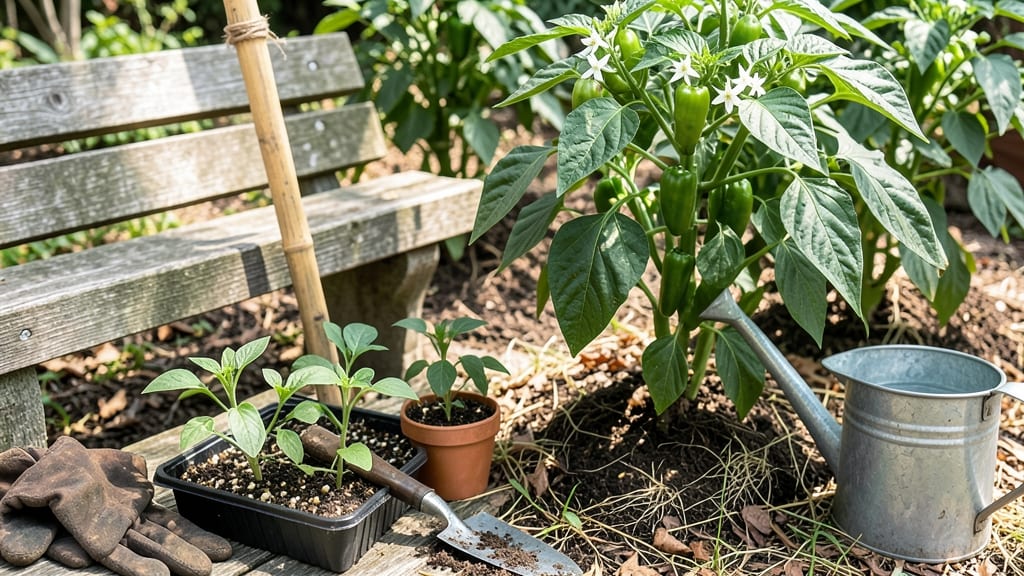
How to grow jalapeños is easier than you think—even in small spaces. 🌱 Last summer, I packed a 5-gallon container with peppers and ended up with enough for salsa for months. The key isn’t fancy tricks; it’s matching their needs to your space. Start with full sun (6+ hours daily) and well-draining soil—jalapeños hate soggy roots. If you’re container gardening, use a mix of potting soil and compost, and pick a pot at least 12 inches deep. These plants are heat-lovers, so if your summers are mild, don’t skimp on sunlight. By mid-summer, you’ll be snipping dark green, glossy peppers straight from the plant. The first harvest is always the sweetest—imagine fresh salsa, pickled jalapeños, or even homemade hot sauce. Prune occasionally to encourage bushier growth, and watch your yield double. Works for balconies, patios, or garden beds. Here’s how to keep them thriving all season long—no green thumb required.
📚 In This Guide
- What you need
- Instructions
- Tips and common mistakes
- Wrapping up and next steps
What you need
- ● Jalapeño seeds or seedlings: Start with fresh, high-quality seeds (e.g., Capsicum annuum) or healthy nursery seedlings. Aim for 3–5 plants for a small harvest.
- ● Well-draining potting mix: Use a lightweight, fertile blend (e.g., 60% potting soil + 40% perlite or compost). For containers, 10–20 gallons per plant is ideal.
- ○ Containers (optional but helpful): If gardening in pots, choose 5–7 gallon containers with drainage holes. Materials like fabric grow bags or plastic pots work well.
- ● Fertilizer: A balanced, organic fertilizer (e.g., 5-5-5 or 10-10-10) or compost tea. Feed every 4–6 weeks during the growing season.
- ● Support structures: Cage stakes or trellises (e.g., 4–6 ft tall) to support plants as they grow.
- ● Gloves (to protect from spicy residue and thorns).
- ● Trowel or small shovel (for transplanting seedlings).
- ● Watering can or hose with a gentle nozzle (jalapeños hate soggy roots!).
- ● Pruning shears (to trim excess leaves or encourage bushier growth).
- ○ pH testing kit (optional): Jalapeños thrive in soil pH 6.0–7.0.
- ● Sunlight: 6–8 hours of full sun daily (no skimp here!).
- ● Warmth: Jalapeños love heat—ideal temps: 70–85°F (21–29°C). Start seeds indoors 8–10 weeks before last frost or plant after soil warms.
- ● Water consistency: Keep soil evenly moist but not waterlogged. Drought stress = bitter peppers!
- ● Patience: From seed to harvest, it takes 70–90 days. Seedlings take 6–8 weeks to mature.
Step-by-step instructions for growing jalepenos at home
Here’s the foolproof method I’ve used to grow bold, heat-packed jalepenos—whether in a 5-gallon container or garden bed.
🌱 Step 1: Select the Right Variety and Start Seeds Indoors
Pick a jalapeño variety suited to your climate—‘Early Jalapeño’ for short seasons or ‘Big Jim’ for larger peppers. Start seeds 8-10 weeks before last frost in biodegradable pots (they hate root disturbance). Fill pots with sterile seed-starting mix, plant seeds ¼ inch deep, and keep soil at 75-85°F for germination.
Use a grow light 14-16 hours daily—natural light alone often causes leggy seedlings. You’ll know germination worked when first true leaves (not the initial seed leaves) appear in 10-14 days. Thin to one seedling per pot if you planted multiple seeds.
☀️ Step 2: Harden Off and Transplant When Warm
Two weeks before transplanting, harden off seedlings by placing them outside in partial shade for 1-2 hours daily, gradually increasing time. Jalepenos love heat—they thrive in full sun (6+ hours daily) and temperatures above 70°F. Choose a south-facing spot or use a container with wheels to move them for sunlight.
Transplant after soil warms to 65°F and all frost risk passes. Bury seedlings deeper than the pot—jalapeños grow new roots from their stems. Space plants 18-24 inches apart in garden beds or use one 5-gallon container per plant for containers. Water deeply right after transplanting to settle roots.
💧 Step 3: Water Deeply and Fertilize for Spice Production
Jalepenos hate soggy roots but need consistent moisture—water 1-2 inches per week, letting soil dry slightly between waterings. Use a drip irrigation system or water at the base to avoid wetting leaves (prevents disease). You’ll see blooms in 60-70 days—these turn into peppers!
Feed every 4-6 weeks with a balanced fertilizer (10-10-10) or compost tea for extra heat. Too much nitrogen = leafy growth, no peppers. Look for white flowers—these signal it’s time to reduce water slightly to encourage fruiting. Yellow leaves? You’re overwatering.
✂️ Step 4: Prune and Harvest for Maximum Yield
Pinch off early flowers if your plant looks weak—let it focus on foliage first. Once established, prune suckers (side shoots in leaf axils) to direct energy to peppers. Jalepenos are ready to harvest when 2-3 inches long and firm to touch. Wear gloves—they pack heat!
Harvest with clean pruners to avoid damaging stems. The more you pick, the more your plant produces. Don’t let peppers turn red—they’ll get milder and sweeter. Store in the fridge for 1-2 weeks or freeze for later use. A single plant yields 20-30 peppers—enough for salsa, pickling, or sharing!
Tips & tricks for growing bold, heat-packed jalepenos
Here's what I learned after growing these fiery peppers for years—these tricks make all the difference between a decent harvest and a prolific one.
Seedling Success: When starting seeds indoors, don't rush germination—those 75-85°F soil temperatures are non-negotiable. I use a seedling heat mat for consistent warmth, and it's made the difference between patchy germination and reliable sprouts. Once you see those first true leaves (not the initial seed leaves) in 10-14 days, you're on track. Pro tip: Use biodegradable pots—they hate root disturbance, and transplanting always causes stress.
Lighting Strategy: That 14-16 hour grow light schedule is crucial for preventing leggy seedlings. I've tried natural light only, and it always results in weak, stretched plants. Position lights just 2-3 inches above seedlings and adjust as they grow. The moment you see them leaning toward the light, it's time to raise the lights or rotate the pots daily.
Transplanting Wisdom: Burying seedlings deeper than their pots might seem counterintuitive, but jalapeños grow new roots from their stems. This technique gives you a head start on root development. After transplanting, I always water deeply—this helps settle the soil and removes air pockets around the roots. In containers, make sure your 5-gallon pots have drainage holes to prevent soggy roots.
Heat Management: Those 65°F soil temperatures and 70°F+ air temperatures are ideal, but real talk—jalapeños love heat. If you're in a cooler climate, consider using black plastic mulch around plants to absorb and radiate heat. And when you see those white flowers appear around 60-70 days, it's your cue to reduce water slightly—this encourages fruiting over leafy growth.
Pro Tips for Grow Jalepenos
- Here's what I learned after growing these fiery peppers for years—these tricks make all the difference between a decent harvest and a prolific one.
- Seedling Success: When starting seeds indoors, don't rush germination—those 75-85°F soil temperatures are non-negotiable.
- Lighting Strategy: That 14-16 hour grow light schedule is crucial for preventing leggy seedlings.
Frequently asked questions
Got questions about growing your own jalapeños?
Here are some of the most common ones—and their spicy solutions!
How long does it take for jalapeño plants to produce fruit?
Jalapeños are patient little plants! From seed, expect about 70–90 days before harvest, but if you start with transplants, you’ll see peppers in 60–80 days. Warmth (70°F+), consistent water, and full sun speed things up. Patience pays off—your first harvest will be worth the wait!
Can I grow jalapeños in cold climates?
Jalapeños thrive in USDA Zones 8–11, but don’t fret if you’re outside that range. Start seeds indoors 8–10 weeks before your last frost, then transplant after soil warms to 60°F+. Use black plastic mulch or row covers to extend the season. Containers also work—just move them indoors when temps dip below 50°F.
Why aren’t my jalapeño plants flowering or fruiting?
No flowers? No peppers! Common culprits:
- Not enough sun: Jalapeños need 6–8+ hours of direct sun daily.
- Overwatering: Keep soil consistently moist but well-drained—soggy roots = stress.
- Nutrient deficiency: Feed with a balanced fertilizer (10-10-10) when buds form.
- Temperature shock: Dropping below 55°F can halt flowering.
Can I grow jalapeños in containers? What’s the best pot size?
Yes! Jalapeños are perfect for containers—just choose a pot at least 12–18 inches wide and deep (bigger = more peppers!). Use a well-draining potting mix with compost, and place in a spot with full sun. Dwarf varieties (like ‘Mini Jalapeño’) thrive in smaller pots (10+ inches), while standard types need room to stretch.
What can I do with jalapeños that are too spicy or too mild?
Spice levels vary by ripeness, heat tolerance, and variety—here’s how to adjust:
Too spicy? Pick them young (green) or soak in ice water for 30+ minutes to mellow heat.
Too mild? Let them ripen fully (red) or grow hotter varieties like ‘Early Jalapeño’ or ‘Numex Twilight.’
Still not right? Blend with bell peppers or poblano peppers to balance flavor.
Bonus: Freeze extras for salsa or stews later!How do I keep pests away from my jalapeño plants?
Jalapeños attract aphids, spider mites, and hornworms, but these tricks help:
- Neem oil spray: Deters pests naturally—spray every 7–10 days.
- Companion planting: Grow basil, marigolds, or onions nearby to repel bugs.
- Handpick pests: Check leaves daily for hornworms (squish or drop in soapy water).
- Row covers: Use floating fabric for young plants to block insects.
Wrapping up and next steps
Growing your own jalapeños is a rewarding journey that brings bold flavors straight to your kitchen! With the right containers, soil, sunlight, and care, you’ll enjoy a spicy harvest in no time.
Whether you’re a beginner or a seasoned gardener, these tips will help you nurture thriving plants and savor homegrown heat.
Now that you’re ready to plant, take the next step: mark your calendar for transplanting or direct sowing and watch your garden come to life! 🌱✨