
How To
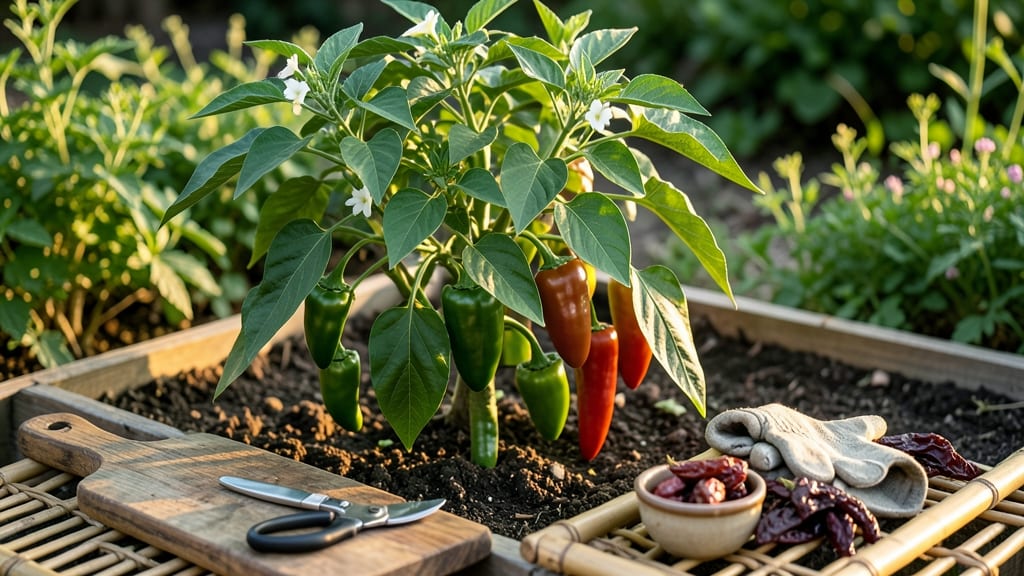
Drying poblano peppers into ancho chiles unlocks their smoky, sweet potential—right from your garden harvest. ✨ The process transforms thick-walled poblanos into versatile dried peppers perfect for sauces, marinades, or rehydrated dishes, all while preserving that homegrown flavor you can't find in stores.
Start with fully ripe, deep-green poblanos (about 5-6 inches long) and choose your drying method: oven at 175°F for 4-6 hours, dehydrator at 135°F for 6-8 hours, or traditional sun-drying (3-7 days, depending on humidity).
Roasting them first adds smokiness, but it's optional—both methods work beautifully for home gardeners.
Once fully dried, store ancho peppers in airtight containers away from light. They'll keep for up to a year, releasing their rich, earthy aroma whenever you open the jar. The texture becomes leathery and slightly sweet, perfect for rehydrating in warm broth or blending into sauces.
Common mistakes? Over-drying makes them brittle, while under-drying risks mold. Test dryness by bending—if they snap easily, they're ready. For extra depth, try brushing with olive oil before drying or adding a pinch of salt for complexity. Your garden's harvest just got a whole new culinary life!
📚 In This Guide
- What you need
- Instructions
- Tips and common mistakes
- Wrapping up and next steps
What you need
- ● Poblano peppers: 6–12 medium-sized peppers (about 2–3 inches long). Choose firm, unblemished peppers for the best results.
- ● Kitchen twine or parchment paper: For hanging or arranging peppers during drying.
- ● Dehydrator: Set to 135°F (57°C) or a well-ventilated oven (preheated to lowest setting, ~170°F/77°C).
- ● Sharp knife or kitchen shears: For stem removal and slicing (if needed).
- ● Cutting board: To prep peppers safely.
- ● Paper towels: For patting peppers dry before drying.
- ● Air-tight containers or resealable bags: For storage (glass jars or Mylar bags work best).
- ● Food dehydrator trays: If using a dehydrator, these make drying more efficient.
- ● Parchment-lined baking sheets: For oven drying (avoids sticking).
- ● Thermometer: To monitor oven/dehydrator temperature.
- ● Smoking wood chips (e.g., hickory or mesquite): For an extra smoky flavor (add to dehydrator or oven).
- ● Vacuum sealer: Extends shelf life and preserves freshness.
Step-by-step instructions for transforming poblanos into ancho peppers
Here’s how to turn fresh poblanos into rich, smoky ancho chiles in just days—no special equipment needed.
🌿 Step 1: Select and Prepare the Poblanos
Choose poblanos that are fully mature but still firm—look for deep green skin with a slight waxy sheen and a weight that feels substantial in your hand. Avoid any with soft spots or cracks, as these will spoil before drying. Wash the peppers under cool water to remove any dirt or wax residue, then pat them completely dry with a clean kitchen towel.
Next, make a small slit along one side of each pepper using a sharp knife, being careful not to puncture the skin completely. This step is crucial—it allows the pepper’s moisture to escape evenly during drying, preventing mold and ensuring a consistent texture. Leave the peppers whole; you’ll roast them intact later. Arrange them on a clean, dry surface to air out for about 30 minutes before proceeding.
☀️ Step 2: Roast the Poblanos for Smoky Flavor
Preheat your oven to 400°F and line a baking sheet with parchment paper. Place the poblanos directly on the sheet, cut-side up, and roast for 20-25 minutes, turning them halfway through. You’re aiming for skin that’s blistered and charred in spots—this develops the deep, smoky flavor that defines ancho peppers. If the oven runs hot, check at the 18-minute mark to avoid burning.
Once roasted, transfer the peppers to a bowl and cover with a clean kitchen towel. Let them steam for 10 minutes—this helps loosen the skin further. Then, place them in a sealed container or re-sealable plastic bag for 15-20 minutes. The condensation that forms inside will make the skins slip off effortlessly. If any skin resists, return the peppers to the oven for another 2-3 minutes to soften it.
🪴 Step 3: Remove Skins and Dry the Peppers
After steaming, the skins should slide off easily when you gently rub the peppers with your fingers. Discard the skins and discard any seeds or membranes you encounter—these can make the dried peppers bitter. Cut the peeled poblanos into ½-inch strips or leave them whole if you prefer larger ancho pieces. The choice depends on your planned use: strips dry faster, while whole peppers retain more shape for decorative purposes.
Arrange the peeled poblanos on a wire rack or a clean, dry surface in a single layer, ensuring they don’t touch. Place the rack in a well-ventilated area with indirect sunlight—direct sun can cause uneven drying and potential spoilage. Alternatively, use a food dehydrator set to 135°F for 4-6 hours, or a low oven (170°F) with the door slightly ajar for 6-8 hours. The peppers are ready when they’re completely dry, leathery to the touch, and easily crumble when pressed.
⏰ Step 4: Store and Use Your Ancho Peppers
Once fully dried, let the ancho peppers cool completely before storing. Place them in an airtight container or resealable bag, ensuring they’re protected from light and moisture. Store in a cool, dark place for up to 6 months, or freeze them for longer shelf life. The deeper the color of the dried peppers, the richer the flavor—aim for a rich, dark brown hue as a sign of proper drying.
To use, rehydrate whole or crushed ancho peppers in hot water for 10-15 minutes before blending into sauces, salsas, or marinades. The smoky depth they add is unmatched—perfect for enriching soups, stews, or even as a rub for meats. A little goes a long way, so start with 1-2 peppers per recipe and adjust to taste.
Tips & tricks for perfectly dried poblano peppers
Here's what nobody tells you about transforming poblanos into ancho chiles—details that make all the difference between good and extraordinary results.
Selection is Everything: The quality of your starting poblanos determines the final flavor. Look for peppers that are firm, deep green, and heavy for their size—these indicate maturity and moisture content. I learned this the hard way after ruining three batches with soft, underripe poblanos that never developed proper smoky depth. Avoid any with cracks or bruises, as these will spoil during drying. The 30-minute air-dry before roasting isn't just about prep—it helps evaporate surface moisture that could create steam pockets during roasting.
Roasting Technique: When roasting at 400°F for 20-25 minutes, focus on achieving even charring rather than just timing. The key is turning the peppers halfway through to ensure both sides develop that beautiful blistered skin. If your oven runs hot, start checking at the 18-minute mark—burnt peppers will have bitter, ashy flavors. After roasting, the 10-minute steam followed by 15-20 minutes in a sealed bag works magic for skin removal, but don't rush this step. The condensation needs time to fully develop to make peeling effortless. If any skin resists after the initial steaming, that extra 2-3 minutes in the oven is worth it—it's the difference between easy peeling and stubborn resistance.
Drying Method Matters: While air-drying with indirect sunlight is traditional, the oven method at 170°F with the door slightly ajar gives you more control over humidity levels. The 6-8 hour window accounts for variations in oven performance—some may need the full time, others less. For best results, place a small dish of water near the oven rack to maintain consistent humidity. The peppers are done when they're completely dry and crumble easily between your fingers. This leathery texture is what transforms them into authentic ancho chiles.
Storage Wisdom: Once cooled, store your ancho peppers in airtight containers away from light to preserve their rich color and flavor. The 6-month shelf life assumes proper drying—any moisture remaining will cause mold. For longer storage, freezing is ideal. The deeper the dried peppers' color, the more intense their flavor will be when rehydrated. When using, remember that 1-2 peppers provide enough smoky depth for most recipes—start small and adjust to taste.
Pro Tips for Dry Poblano Peppers Into Ancho
- Here's what nobody tells you about transforming poblanos into ancho chiles—details that make all the difference betwe...
- Selection is Everything: The quality of your starting poblanos determines the final flavor. Look for peppers that are...
- Roasting Technique: When roasting at 400°F for 20-25 minutes, focus on achieving even charring rather than just timin...
Frequently asked questions
Got questions about transforming poblanos into ancho? You’re not alone! Here are some of the most common queries—and their answers—to help you master the drying process with confidence.
How long does it take to dry poblanos into ancho?
Drying time depends on your method. In a 200°F (93°C) oven, it takes 2–4 hours (check for wrinkled skin and a hollow stem). For air-drying, expect 3–7 days in a warm, dry space (like a dehydrator or sunny window). Patience is key—rushing risks uneven drying or mold.
Can I speed up the drying process?
Yes! Use a dehydrator (set to 135°F/57°C) for faster, even drying (4–6 hours). For oven drying, prop the door open 1–2 inches to circulate air. Avoid microwaving—it steams the peppers instead of drying them. Pro tip: Rotate trays halfway through for consistency.
How do I know when ancho peppers are fully dried?
Fully dried ancho peppers should be wrinkled, leathery, and slightly shriveled. Gently press a pepper—it should crackle like a chip and feel lightweight. The stem should pull out easily, and the flesh should separate from the skin with minimal resistance. Store in an airtight container to preserve them for up to a year!
What if my poblanos turn moldy during drying?
Mold is a red flag—stop drying immediately and discard affected peppers. To prevent it, blanch poblanos for 3–5 minutes before drying to kill bacteria, and ensure your drying space is well-ventilated and below 90°F (32°C). Humidity is the enemy—use a fan or dehumidifier if needed.
Can I substitute ancho peppers for other dried peppers?
Ancho’s mild, smoky sweetness works like a milder chipotle or guajillo. For heat, add a pinch of cayenne. In mole, chili, or salsas, swap ancho 1:1 for guajillo or pasilla. Just toast them first to deepen the flavor—trust the process!
Wrapping up and next steps
Transforming poblano peppers into rich, smoky ancho chiles is easier than you think—and the rewards are next-level flavor! With just a few simple steps, you’ve unlocked a pantry staple that adds depth to everything from moles to marinades.
Now that you’re equipped with the know-how, why not experiment? Try infusing your ancho chiles with garlic, cumin, or even a splash of tequila for a personalized twist.
Ready to take your cooking to the next level? Grab a fresh batch of poblanos and start drying—your taste buds will thank you! 🌶️✨