
Size
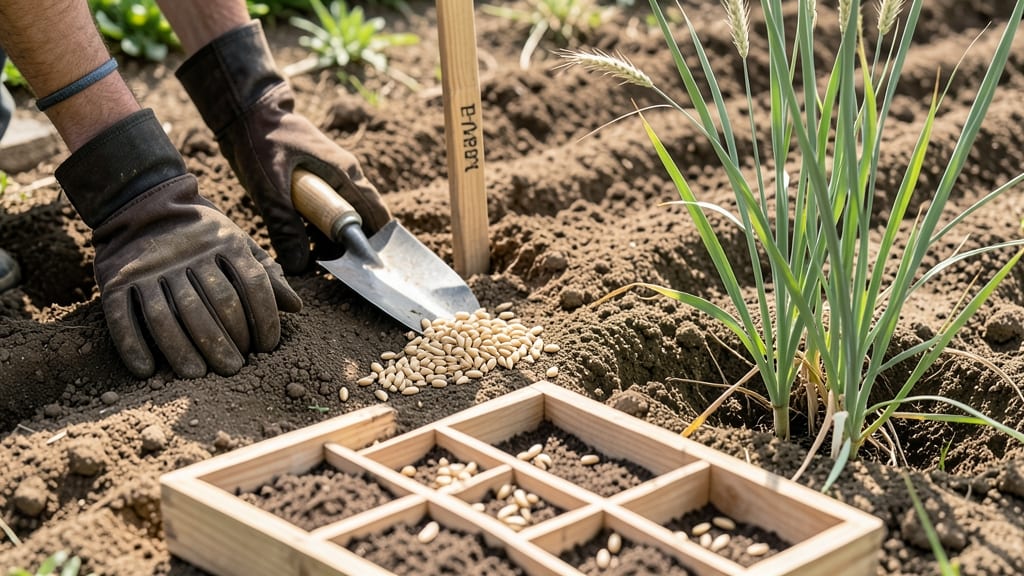
How to grow einkorn could soon turn your kitchen table into a treasure trove of golden kernels straight from your garden. 🌾 This ancient wheat thrives where modern varieties struggle—cool springs, rocky soil, even neglectful watering. I grew my first batch last year, and the taste (nutty, slightly sweet) made me realize how much we’ve lost by abandoning heirloom grains.
The secret isn’t fancy equipment—just a sunny spot, well-drained soil, and patience. Einkorn tolerates poor conditions better than most wheat, but it rewards good care with sturdy stalks and high yields.
Plant seeds ½ inch deep, 6 inches apart in rows 18 inches apart, and watch for sprouts in 7-14 days. No-till works best to preserve its delicate roots.
By midsummer, you’ll harvest 2-3 foot tall plants with dense, bearded heads. The real magic happens when you thresh and winnow the grain—turning it into flour for bread, crackers, or pasta. My first harvest produced enough for a dozen loaves, and the texture was unmistakably ancient.
Perfect for small gardens, climate-adaptive growers, or anyone craving a taste of history. The key? Plant early, avoid overwatering, and embrace its rustic charm. Here’s how to make it work in your space.
📚 In This Guide
- What you need
- Instructions
- Tips and common mistakes
- Wrapping up and next steps
What you need
- ● Einkorn wheat seeds: 1–2 lbs (organic, heirloom, or certified non-GMO for best results). Look for varieties like Einkorn Aegilops tauschii or Einkorn 'Red Russian'.
- ● Garden plot or containers: For in-ground: 4’ x 8’ bed (or larger) with well-draining soil (pH 6.0–7.5).
- ● For containers: 5-gallon pots or raised beds (at least 12" deep) with drainage holes.
- ● Compost or organic fertilizer: 2–3 cups per 10 sq ft (balanced 10-10-10 or compost tea works well).
- ● Watering can or drip irrigation: Consistent moisture is key—aim for 1–1.5 inches per week.
- ● Garden gloves & pruners: For handling plants and harvesting.
- ● Row markers or stakes: To space seeds 6–12" apart in rows 18–24" apart.
- ● Mulch: Straw or grass clippings to retain moisture and suppress weeds.
- ● Trellis or support: If growing tall varieties (e.g., Einkorn 'White Russian'), light stakes can prevent lodging.
- ● Soil test kit: To check nutrient levels before planting.
- ● Seedling heat mat: If starting indoors in cool climates (60–70°F is ideal for germination).
- ● Harvesting tool: A grain cradle or sickle for efficient cutting.
Step-by-step instructions for growing einkorn wheat
Here's how to bring this ancient grain back to life in your garden with minimal fuss.
🌱 Step 1: Prepare Your Soil and Planting Site
Einkorn thrives in well-drained soil with a pH between 6.0 and 7.5. Work in 2-3 inches of compost into the top 6 inches of soil to improve fertility and drainage—this grain hates soggy roots. Choose a sunny spot with at least 6 hours of direct sunlight daily, as einkorn needs warmth to mature properly.
Loosen the soil to a depth of 8 inches with a broadfork or tiller, breaking up any compacted layers. Einkorn's shallow root system benefits from loose, aerated soil that lets moisture penetrate easily. If your soil is heavy clay, mix in sand or perlite to improve texture. Avoid fresh manure, which can burn tender seedlings.
🌱 Step 2: Sow Seeds at the Right Depth and Spacing
Plant einkorn seeds ½ inch deep in rows spaced 12-18 inches apart. I like to use a small hand seeder or simply drop seeds every 3 inches within the row for even distribution. Sowing too deep delays germination, while planting too shallow risks drying out the seeds before they sprout.
Water gently after planting to settle the soil around the seeds without disturbing them. Keep the planting area consistently moist until germination, which typically occurs in 7-14 days depending on soil temperature. You'll see the first true leaves emerge as slender, grass-like blades—this is your signal that the seeds have successfully sprouted.
☀️ Step 3: Maintain Moisture and Fertility Through Growth
Einkorn prefers moderate moisture but struggles in waterlogged conditions. Water deeply once a week if rainfall is insufficient, aiming for 1 inch of water per week during active growth. You'll know moisture is right when the top 2 inches of soil feel damp but not saturated. Overwatering leads to fungal diseases that can devastate your crop.
Side-dress with ½ cup of balanced organic fertilizer (10-10-10) when plants reach 6 inches tall, then again at heading time. Einkorn is less demanding than modern wheat but still benefits from occasional feeding. Watch for pale yellow leaves, which indicate nitrogen deficiency—this is your cue to add a light application of compost tea or fish emulsion.
✂️ Step 4: Harvest at Peak Maturity
Einkorn reaches maturity when the grain heads turn golden brown and the seeds feel hard when pressed between your fingers. This typically occurs 90-120 days after planting, depending on your climate. Cut the stalks with a sharp knife or sickle when the majority of heads have turned color, leaving 4-6 inches of stem to prevent lodging.
Bundle the cut stalks and hang them upside down in a dry, well-ventilated area for 2-3 weeks to fully dry. Thresh the grains by hand or with a flail, then winnow to remove chaff. Einkorn's small, elongated kernels will rattle against the sieve while lighter debris blows away—this is the moment you'll know your hard work has paid off with authentic ancient grain.
🌿 Step 5: Store and Preserve Your Harvest
Once fully dry, store einkorn in an airtight container in a cool, dark place with 50% humidity or less. Properly stored grain keeps for 1-2 years, though it's best used within the first year for peak flavor. Einkorn's small size makes it perfect for grinding into flour or using whole in soups and stews—its nutty, slightly sweet taste is a rewarding payoff for patient gardeners.
Save a portion of your harvest for next year's planting. Einkorn's ancient genetics make it more resilient to modern pests and diseases, so your homegrown seed will likely perform even better in subsequent seasons. The more you grow, the more you'll appreciate how this hardy grain thrives with minimal intervention once established.
Tips & tricks for perfect einkorn wheat growth
Bringing ancient grains back to life in your garden doesn't have to be intimidating—these practical insights will help you cultivate thriving einkorn plants with confidence.
Soil Preparation Secret: Before amending your soil with compost, test its pH using a simple soil kit. Einkorn prefers that neutral range of 6.0-7.5, and adjusting with lime (to raise pH) or sulfur (to lower it) can prevent nutrient deficiencies. I've found that adding a handful of wood ash to acidic soils helps stabilize the pH naturally over time. The key is creating that well-drained environment—einkorn's shallow roots can't tolerate waterlogged conditions, so consider raised beds if your native soil is particularly dense.
Planting Precision: When planting those einkorn seeds at the specified ½ inch depth, use a ruler to ensure consistency—variations in planting depth can create uneven germination times. I like to make small furrows with a trowel, place seeds every 3 inches, then cover gently with soil. For larger gardens, a simple DIY seed tape (seeds glued to tape at proper spacing) can save time and ensure uniform distribution. Remember that those 12-18 inch row spacings give plants room to develop properly without competing for sunlight.
Growth Monitoring: During the 90-120 day growth period, keep a small notebook by your garden to track plant height and development stages. When plants reach 6 inches tall (around 30-40 days after planting), that's your cue for the first fertilizer application. I've noticed that einkorn responds particularly well to compost tea at this stage—it provides micronutrients without the risk of over-fertilizing that can come with synthetic options. Watch for those pale yellow leaves as an early warning sign of nitrogen needs.
Harvesting Insight: When determining harvest readiness, focus on three key indicators: the golden brown color of the heads, the hard seed texture when pressed, and the dryness of the stalks. I've found that harvesting in the early morning after dew has evaporated helps prevent premature drying during the crucial 2-3 week drying period. Bundle stalks in small groups (no more than 12 stalks per bundle) to ensure even air circulation—this prevents mold development while the grains finish drying.
Pro Tips for Grow Einkorn
- Bringing ancient grains back to life in your garden doesn't have to be intimidating—these practical insights will help you cultivate thriving einkorn plants with confidence.
- Soil Preparation Secret: Before amending your soil with compost, test its pH using a simple soil kit.
- Planting Precision: When planting those einkorn seeds at the specified ½ inch depth, use a ruler to ensure consistency—variations in planting depth can create uneven germination times.
Frequently asked questions
Got questions about growing einkorn? You’re not alone—this ancient grain has a few quirks! Here are answers to the most common queries to help you cultivate einkorn like a pro.
Can I grow einkorn in containers or small spaces?
Einkorn thrives in containers as long as they’re at least 12 inches deep and have good drainage. Use a 5-gallon pot per plant and place it in full sun. Just ensure the soil stays moist but not soggy—container-grown einkorn may need more frequent watering.
How long does it take for einkorn to mature?
Einkorn has a shorter growing season (90–120 days) compared to modern wheat. Plant seeds in early spring (after the last frost) or late summer for a fall harvest. Watch for feather-like seed heads—they’re ready when they turn golden and dry.
What if my einkorn plants look weak or leggy?
Leggy or weak plants often mean too little light or overcrowding. Thin seedlings to 6–12 inches apart and ensure they get 6+ hours of direct sunlight daily. If pests (like aphids) are the issue, spray with neem oil or introduce beneficial insects like ladybugs.
Can I substitute einkorn for modern wheat in recipes?
Yes! Einkorn’s nutty, slightly sweet flavor works well in bread, pasta, and porridge. However, its lower gluten content means it’s best mixed with higher-gluten flours (like rye or spelt) for chewy textures. Start with a 1:1 ratio and adjust as needed.
Does einkorn need cold stratification?
Nope! Unlike some ancient grains, einkorn doesn’t require cold treatment to germinate. Simply plant seeds ½ inch deep in warm soil (60°F+) and keep them moist. They’ll sprout in 7–14 days—no extra steps needed!
Wrapping up and next steps
Growing einkorn wheat is a rewarding way to reconnect with ancient grains while enjoying fresh, nutrient-rich harvests. With the right soil, patience, and care, you’ll soon be baking bread or cooking with your homegrown einkorn—a taste of history on your plate! 🌾✨ Ready to take the next step?
Start small this season, experiment with varieties, and share your einkorn journey with fellow gardeners or local foodies. Your garden could become the heart of a delicious, sustainable revival!