
Size
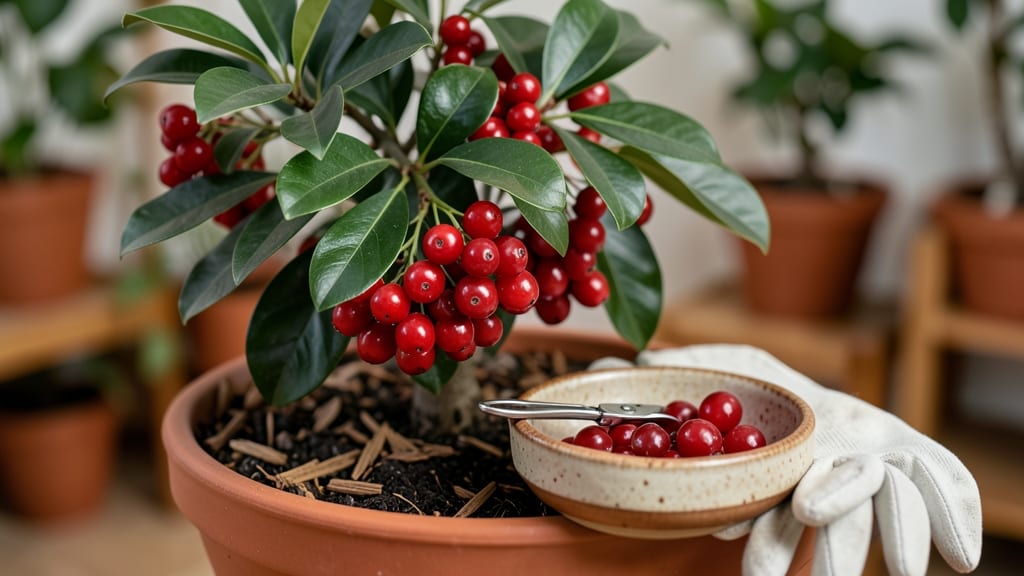
How to grow miracle fruit—your taste buds are about to get a magical upgrade. 🌱 Growing Synsepalum dulcificum turns sour into sweet—but only if you nail its tropical needs. I’ve battled humidity swings and slow growth, and now my kitchen garden produces these tiny red berries that change everything you eat.
The key? Mimic its West African jungle roots: 70-80% humidity, bright indirect light, and soil that drains like a sponge. Most gardeners fail here—overwatering or letting it dry out. Start with a 5-inch pot, and use a mix of peat, perlite, and sand to keep roots happy.
Within 6-12 months, you’ll harvest berries that pack a flavor punch. Pop one, wait 30 minutes, and suddenly lemons taste like candy. The magic lasts 1-2 hours, so time your snacks! Preserve the effect by drying or freezing the fruit.
Outdoor growers in zones 10-11 can plant it permanently, but most of us keep it as a houseplant near a sunny window. Just watch for mealybugs—they love miracle fruit too. Ready to turn your garden into a flavor lab?
📚 In This Guide
- What you need
- Instructions
- Tips and common mistakes
- Wrapping up and next steps
What you need
- ● Miracle fruit seeds – 3–5 seeds (available online or from specialty seed suppliers). Pro tip: Choose Synsepalum dulcificum for the classic flavor-altering effect!
- ● Well-draining potting mix – 1–2 gallons (use a blend of peat moss, perlite, and coconut coir for optimal aeration).
- ○ Small pots or seed trays – 4–6 inch diameter (one per seedling). Optional: Biodegradable peat pots for easy transplanting.
- ● Spray bottle – For gentle watering (avoid oversaturating seeds).
- ● Humidity dome or plastic wrap – To maintain moisture while seeds germinate.
- ● Grow lights or sunny windowsill – 6–8 hours of bright, indirect light daily (south-facing window or LED grow lights work best).
- ● Fertilizer (balanced or citrus-specific) – 10-10-10 NPK ratio, diluted to half-strength (apply every 4–6 weeks).
- ● Pruning shears – For shaping and maintaining the plant’s size (miracle fruit can grow up to 10–15 feet indoors!).
- ● Temperature: 65–85°F (18–30°C) – Mimic tropical climates for best growth. ❄️ Avoid drafts or cold windowsills!
- ● Humidity: 60–70% – Use a humidifier or place the pot on a tray of pebbles + water.
- ● Patience: Germination takes 4–12 weeks—stay consistent with care!
- ● Space: 6+ inches of vertical clearance (for mature plants) and 12+ inches of width per plant.
- ● Trellis or support stake – If growing indoors, as miracle fruit can get top-heavy.
- ● pH testing kit – Ideal soil pH: 5.5–6.5 (slightly acidic).
- ● Compost or worm castings – Boosts soil fertility naturally.
- ● Fruit ripening accelerator – Like ethylene gas (e.g., an apple in a bag with unripe berries) to speed up fruit production.
Step-by-step instructions for growing miracle fruit at home
Here's how to cultivate this fascinating berry with minimal fuss—no greenhouse needed!
🌱 Step 1: Start Seeds Indoors in Warm Conditions
Miracle fruit thrives in warmth, so begin seeds indoors 8-10 weeks before your last frost date. Use small pots filled with a well-draining potting mix (I like a 50/50 blend of peat moss and perlite). Plant 2-3 seeds per pot just ¼ inch deep—they're tiny, so use a toothpick to handle them carefully.
Cover the pots with plastic wrap to retain moisture and place them in a warm spot (75-85°F). A seedling heat mat speeds germination, but a sunny windowsill works too. Keep the soil consistently moist (not soggy) and expect sprouts in 2-4 weeks. Once seedlings appear, remove the plastic immediately to prevent fungal growth.
☀️ Step 2: Provide Bright, Indirect Light for Seedlings
Miracle fruit seedlings need bright, indirect light to prevent leggy growth. A south-facing window with sheer curtains works well, but supplement with a grow light if natural light is weak. Position the light 2-3 inches above the seedlings and keep it on for 14-16 hours daily. You'll know they're getting enough light when the leaves are deep green and compact—not stretched or pale.
Rotate the pots quarter-turn weekly so seedlings grow straight. Avoid direct sun at this stage—young plants can scorch easily. Once seedlings have 3-4 true leaves (not just the initial seed leaves), they're ready for their first transplant into slightly larger pots (3-4 inches wide).
🪴 Step 3: Transplant to Larger Pots and Harden Off
Move seedlings to individual 3-4 inch pots with fresh potting mix. Gently loosen the roots before transferring to avoid damaging them. Water lightly after transplanting to settle the soil. Place the pots in a shaded outdoor area for 1-2 hours daily to start hardening off. Gradually increase outdoor time over 7-10 days, ending with full sun exposure.
Miracle fruit loves warmth, so wait until nighttime temperatures stay above 60°F before planting outdoors. Choose a spot with partial shade (morning sun, afternoon shade works best). The berries ripen best when protected from intense afternoon heat, which can cause sunburn on the fruit.
💧 Step 4: Maintain Moisture and Fertility for Fruit Production
Water the plants when the top inch of soil feels dry—miracle fruit prefers consistent moisture but hates soggy roots. Use a well-draining potting mix to prevent waterlogging. Fertilize lightly every 4-6 weeks with a balanced, water-soluble fertilizer (10-10-10 works well). Too much fertilizer can harm the plant, so dilute to half-strength and apply only during the growing season (spring through early fall).
Prune leggy or overcrowded stems to encourage bushier growth. Pinch back the tips of new growth to promote branching. You'll see small white flowers appear in spring or early summer—these will develop into the signature red berries. Protect the plants from strong winds, which can damage the delicate stems and flowers.
⏰ Step 5: Harvest and Enjoy the Flavor-Altering Berries
Miracle fruit berries ripen in 3-5 months after flowering. They start green, turn red, and finally develop a bright red-orange hue when ready. Gently twist the berries from the stem—they should come off easily when ripe. Harvest in the morning for the best flavor and to avoid attracting pests.
Use the berries fresh within 24 hours for the strongest flavor-altering effect. Chew one berry (or a small piece) and wait 30 minutes before eating sour foods like lemons or limes—they'll taste sweet! Store unripe berries in the fridge for up to 1 week to ripen further. Save seeds from ripe berries to grow more plants next season.
Tips & tricks for perfect miracle fruit cultivation
Here's what nobody tells you about growing this magical berry—lessons from my own trials and triumphs.
Seedling Care: Those 2-3 seeds per pot are a smart move—it gives you backup if one fails to sprout. I learned this the hard way after losing my first batch to mold from overcrowding. Once sprouts appear, remove the plastic wrap immediately to prevent fungal growth. Trust me, that's when things get serious about mold if you're not careful.
Lighting Strategy: The 14-16 hours of light daily is non-negotiable for compact growth. If your seedlings start stretching toward the light (called "legginess"), you're not providing enough. I use a simple LED grow light on a timer—it's the difference between healthy plants and sad, spindly seedlings that never recover.
Transplant Timing: The 7-10 day hardening off period is where most people rush and regret it. Start with just 1-2 hours of outdoor exposure and increase gradually. I've seen miracle fruit plants wilt dramatically when moved too quickly—it's like they've had a shock. The key is patience; your plants will thank you with bushier growth and better fruit production later.
Outdoor Placement: That 60°F minimum nighttime temperature is critical for outdoor planting. I've tried moving plants out too early in cooler climates, and the results were disastrous—leaves turned yellow and growth stalled. Wait until you're confident nighttime temps won't dip below 60°F, even if it means delaying by a week or two. The afternoon shade is equally important; direct sun can scorch the delicate berries before they even ripen.
Pro Tips for Grow Miracle Fruit
- Here's what nobody tells you about growing this magical berry—lessons from my own trials and triumphs.
- Seedling Care: Those 2-3 seeds per pot are a smart move—it gives you backup if one fails to sprout.
- Lighting Strategy: The 14-16 hours of light daily is non-negotiable for compact growth.
Frequently asked questions
Got questions about growing your own miracle fruit? You’re not alone!
Here are answers to the most common queries—from timing to troubleshooting—so you can grow these flavor-changing berries like a pro.
How long does it take for miracle fruit to bear fruit?
Patience is key! Miracle fruit plants typically take 1–2 years to produce berries after planting from seed. If you start with a cutting or young plant, you might see fruit in 6–12 months. Keep the plant healthy with consistent care, and you’ll be harvesting those magic berries sooner than you think.
Can I grow miracle fruit indoors?
Yes, but with caveats. Miracle fruit thrives in bright, indirect light (like a sunny windowsill) and needs warmth—65–80°F (18–27°C). A grow light can help if natural light is limited. Just ensure good airflow to prevent mold, and repot as the plant grows. A sunny patio or greenhouse is ideal, but indoors works in a pinch!
When is the best time to plant miracle fruit?
Plant seeds or young plants in spring or early summer when temperatures are warm and stable. Avoid frost—miracle fruit is a tropical plant and won’t survive cold snaps. If you’re in a cooler climate, grow it in containers and bring it indoors during winter. Timing is flexible, but warmer months give your plant the best start.
What do I do if my miracle fruit plant isn’t producing berries?
Don’t worry—it’s often a matter of time or care. Check these fixes:
- Light: Ensure it gets 6+ hours of bright, indirect light daily.
- Water: Keep soil consistently moist but not soggy.
- Fertilizer: Use a balanced liquid fertilizer every 4–6 weeks during growing season.
- Patience: Some plants take up to 2 years to fruit.
Are there alternatives to growing miracle fruit from seed?
You can:
- Buy a young plant from a specialty nursery (faster results!).
- Take cuttings from a mature plant (root in water or soil with rooting hormone).
- Order seeds online from reputable sellers (check reviews for viability).
Wrapping up and next steps
Growing miracle fruit is a rewarding journey that unlocks a world of flavor transformation right in your backyard! 🌱 With patience, the right conditions, and a little care, you’ll soon be harvesting these tiny berries to turn sour into sweet.
Whether you’re experimenting for fun or eager to impress at dinner parties, your kitchen garden is about to become a taste-bud playground.
Ready to take the next step? Start small—plant a few seeds or seedlings and watch your Synsepalum dulcificum thrive. Once you’ve mastered the basics, explore creative ways to use your harvest, like sharing with friends or even selling at local markets.
The magic of miracle fruit is just a few months (and a few berries) away!