
Propagation
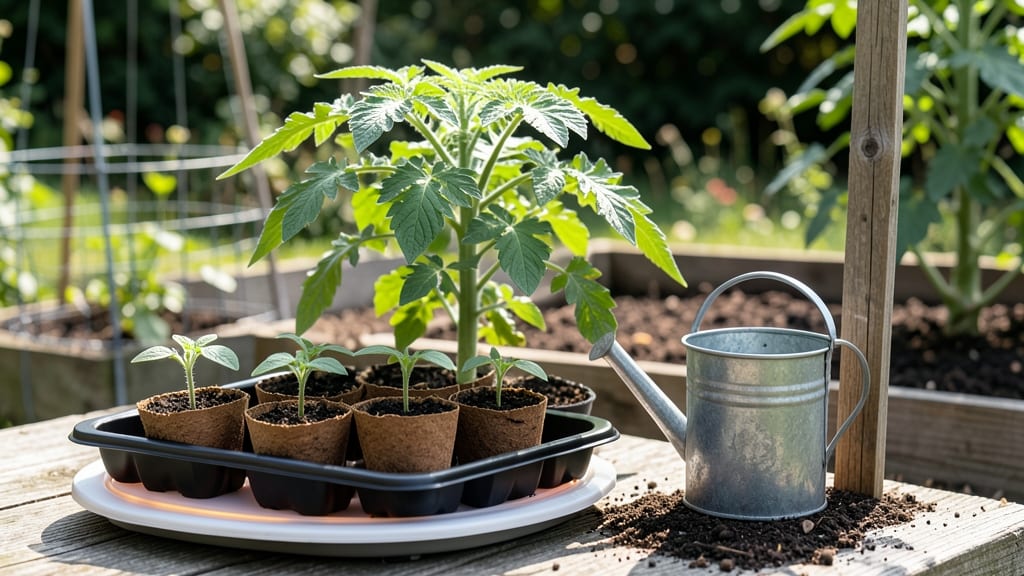
How to grow beefsteak tomatoes from seed means harvesting juicy, 1-pound monsters straight from your garden—no store-bought plants required. 🌱 I started with a single packet of seeds last spring and ended up with tomatoes so big they split the vine (and my neighbors' jaws). The secret isn't fancy equipment—it's timing, light, and a little patience that pays off in sun-ripened perfection by midsummer.
You'll need just six supplies: seeds, seed-starting mix, small pots, a grow light or sunny window, water, and a little fertilizer. Most people mess up by starting too early or not giving seedlings enough light—both lead to leggy, weak plants.
My first batch flopped because I crammed them under a single bulb. Now I use a simple LED setup that costs under $20 and works like magic.
By transplanting at the right size (about 6 inches tall), you'll skip the shock many gardeners face. These tomatoes thrive in full sun (6+ hours daily) and need deep watering—not just a sprinkle.
The payoff? Heirloom flavor that store-bought tomatoes can't match, plus the pride of growing something this impressive from a tiny seed.
Works in containers, raised beds, or in-ground gardens—just give them room to sprawl (or cage them early). Here's how to avoid the most common mistakes and get beefsteak-sized results every season.
📚 In This Guide
- What you need
- Instructions
- Tips and common mistakes
- Wrapping up and next steps
What you need
- ● Beefsteak tomato seeds: Choose heirloom or hybrid varieties like 'Brandywine,' 'Cherokee Purple,' or 'Big Beef' (5–10 seeds per plant, depending on your space).
- ● Seed-starting mix: A lightweight, sterile blend (e.g., FoxFarm Seedling Mix or Black Gold Seedling Mix—10–20 lbs, depending on tray size).
- ● Seed trays or biodegradable pots: 2–3 inch cells or 4–6 inch pots (10–20 units, depending on seed quantity).
- ● Grow lights or sunny windowsill: A full-spectrum LED grow light (e.g., Spider Farmer SF-1000) or a south-facing window with 6+ hours of sunlight.
- ● Plastic wrap or humidity dome: To retain moisture while seeds germinate.
- ● Watering can or spray bottle: With a fine mist nozzle for gentle watering.
- ● Fertilizer: A balanced starter fertilizer (e.g., Fish Emulsion 5-1-1 or Jack’s Classic Blossom Booster) for transplanting.
- ● Hand trowel or small shovel: For transplanting seedlings.
- ● Garden twine or stakes: 6–8 ft tall (e.g., tomato cages or bamboo stakes) to support vines.
- ● pH test kit: To ensure soil pH is 6.0–6.8 (ideal for tomatoes).
- ● Mulch (straw or black plastic): To retain moisture and suppress weeds.
- ● Pruning shears: For managing suckers and shaping plants.
- ○ Heat mat (optional): If starting seeds indoors in cool climates (e.g., Vivosun Germination Mat).
Step-by-Step instructions for growing beefsteak tomatoes from seed
Here's how to coax those massive, flavor-packed tomatoes from tiny seeds into thriving vines.
🌱 Step 1: Start Seeds Indoors with Proper Warmth and Moisture
Fill small seed-starting trays with sterile seed-starting mix—never garden soil—and moisten it until damp but not soggy. Press the mix down gently to eliminate air pockets. Plant your beefsteak seeds ¼ inch deep, spacing them ½ inch apart in each cell. I like to use a toothpick to make small holes for precision planting.
Cover the trays with a clear plastic dome or plastic wrap to retain warmth and humidity. Place them on a seedling heat mat set to 75-85°F—this warmth mimics spring soil temperatures and speeds germination. Expect sprouts in 7-14 days, though some varieties may take longer. Keep the soil consistently moist by misting lightly daily, but avoid soaking the surface.
☀️ Step 2: Provide Optimal Light and Prevent Leggy Growth
The moment seedlings emerge, remove the plastic cover immediately to prevent damping-off disease. Place them under grow lights or in a south-facing window where they'll receive 14-16 hours of light daily. Beefsteak tomatoes need strong light to develop sturdy stems and prevent leggy growth.
Position the lights 2-4 inches above the seedlings and raise them gradually as plants grow. You'll know your setup is working when seedlings have thick stems, dark green leaves, and compact spacing between leaves. If stems grow tall and spindly, they're reaching for more light—move them closer immediately.
🪴 Step 3: Harden Off and Transplant After Frost
About 2 weeks before your last frost date, begin hardening off seedlings by placing them outside in a sheltered spot for 1-2 hours the first day. Gradually increase their outdoor time by 1 hour daily over 10-14 days, slowly introducing them to wind and sun. This process prevents transplant shock and helps plants adapt to outdoor conditions.
Choose a sunny, sheltered spot in your garden with full sun exposure (at least 6-8 hours daily). Dig holes slightly larger than the root balls and space plants 2-3 feet apart to allow for robust growth. Transplant on an overcast day or in the late afternoon to reduce stress on the seedlings. Water deeply at the base to settle the soil around the roots.
💧 Step 4: Maintain Consistent Watering and Fertilization
Water beefsteak tomatoes deeply 1-2 times per week, ensuring the soil is moist to a depth of 6 inches. Use a drip irrigation system or water at the base of the plant to keep foliage dry, which reduces the risk of disease. Mulch around the base with 2-3 inches of organic mulch to retain moisture and regulate soil temperature.
Fertilize plants every 2-3 weeks with a balanced, organic fertilizer to encourage strong growth and fruit production. Beefsteak tomatoes are heavy feeders, so I like to use a fertilizer with a higher phosphorus content to promote flowering and fruiting. Watch for signs of nutrient deficiency, such as yellowing leaves or stunted growth, and adjust fertilization accordingly.
✂️ Step 5: Prune and Support for Maximum Yield
As your beefsteak tomato plants grow, prune suckers (the small shoots that form in the leaf axils) to direct energy toward fruit production. Remove any leaves that touch the ground to improve airflow and reduce disease risk. Install sturdy cages or trellises to support the heavy vines and fruit, preventing them from breaking under the weight.
Regularly check for pests such as aphids, hornworms, or whiteflies, and address any issues promptly with organic pest control methods. Harvest beefsteak tomatoes when they reach their full size and have a deep red color—typically 70-85 days after transplanting. Enjoy the reward of your labor with tomatoes that are truly giant in size and flavor!
Tips & tricks for growing giant beefsteak tomatoes
These insider strategies will help you cultivate tomatoes so impressive they'll make your neighbors jealous—and avoid the rookie mistakes that lead to flops.
Germination Success: In Step 1, the 75-85°F heat mat temperature is non-negotiable for beefsteak seeds. I've seen germination rates drop dramatically when temps fall below 70°F, so invest in a quality heat mat if your home runs cool. For even faster results, try soaking seeds in room-temperature water for 24 hours before planting—this kickstarts the germination process. Just don't over-soak, or they'll absorb too much moisture.
Lighting Hack: During Step 2, when positioning your grow lights 2-4 inches above seedlings, remember this rule: if you can see your hand between the light and plants, it's too far. The ideal distance creates a shadow effect—you should just barely see the outline of your hand when held between the light and seedlings. This ensures proper light intensity without scorching. For budget setups, I've had great results with LED grow lights on a timer set to 14 hours on/10 hours off—just rotate trays daily for even growth.
Transplanting Pro Tip: When hardening off in Step 3, pay attention to the 14-day schedule—but don't rush it. I've transplanted beefsteak seedlings too soon, and they wilted dramatically within days. Start with just 1-2 hours in partial shade, then gradually increase exposure. A key sign your seedlings are ready: they should look perkier outdoors than indoors by day 10. Also, transplant on an overcast day or late afternoon to reduce stress—this simple adjustment can mean the difference between thriving plants and struggling ones.
Watering Wisdom: The 1-2 times per week watering guideline in Step 4 is perfect, but timing matters just as much. Water in the early morning so foliage has all day to dry, preventing fungal diseases. For the 6-inch deep moisture check, use a screwdriver—if it comes out clean, you're good; if it's damp, wait another day. And here's a secret: the 2-3 inches of organic mulch isn't just for moisture—it also regulates soil temperature, keeping roots cooler in summer and warmer in spring.
Pro Tips for Grow Beefsteak Tomatoes From Seed
- These insider strategies will help you cultivate tomatoes so impressive they'll make your neighbors jealous—and avoid the rookie mistakes that lead to flops.
- Germination Success: In Step 1, the 75-85°F heat mat temperature is non-negotiable for beefsteak seeds.
- Lighting Hack: During Step 2, when positioning your grow lights 2-4 inches above seedlings, remember this rule: if you can see your hand between the light and plants, it's too far.
Frequently asked questions
Got questions about growing beefsteak tomatoes from seed? You’re not alone! Here are answers to the most common queries to help you cultivate sun-ripened giants with confidence.
How long does it take for beefsteak tomato seeds to germinate?
Beefsteak tomato seeds typically germinate in 5–14 days when kept in warm (70–85°F), moist soil. Use a heat mat if your home is chilly—consistency is key! Avoid overwatering, which can drown seeds. Patience pays off—just keep them cozy and hydrated.
When is the best time to start beefsteak tomato seeds indoors?
Start seeds 6–8 weeks before your last frost date (e.g., late winter for most climates). Beefsteaks need time to grow strong before transplanting—rushing leads to leggy, weak seedlings. Use a seed-starting kit or small pots with drainage to avoid soggy roots.
Can I grow beefsteak tomatoes in containers? What size pot do I need?
Beefsteaks thrive in 5-gallon+ containers (bigger is better for their sprawling roots). Use well-draining soil, stake or cage them early, and fertilize regularly. Just ensure pots get 6–8+ hours of sun daily—container tomatoes love warmth and space!
Why are my beefsteak tomato seedlings turning yellow or wilting?
Yellowing leaves often signal overwatering, underwatering, or nutrient deficiencies. Check soil moisture (top inch should dry slightly between waterings) and ensure pots have drainage. Weak stems? Boost light or use a grow light. Yellow lower leaves? Normal—but crispy edges mean it’s thirsty!
Do beefsteak tomatoes need pruning? How much can I cut back?
Pruning encourages bigger, fewer fruits and better air circulation. Remove suckers (shoots in leaf junctions) weekly, leaving 1–2 main stems for indeterminate varieties. Avoid over-pruning—balance vigor and fruit production. Wear gloves; stems can be prickly!
What’s the ideal temperature for growing beefsteak tomatoes?
Tomatoes love 70–85°F during the day and 60–70°F at night. Below 50°F? Growth slows. Above 90°F? Fruits may crack. Use shade cloth in peak summer heat or mulch to keep roots cool. A greenhouse or cold frame helps in cooler climates.
Wrapping up and next steps
Growing beefsteak tomatoes from seed is a rewarding journey that brings sun-ripened giants straight to your plate! With patience, the right tools, and a little love, you’ll enjoy homegrown, flavor-packed tomatoes that store-bought varieties can’t match. 🌱✨
Now that you’re armed with knowledge, why not take the next step? Start your seeds indoors today—your future harvest (and taste buds) will thank you!