
How To
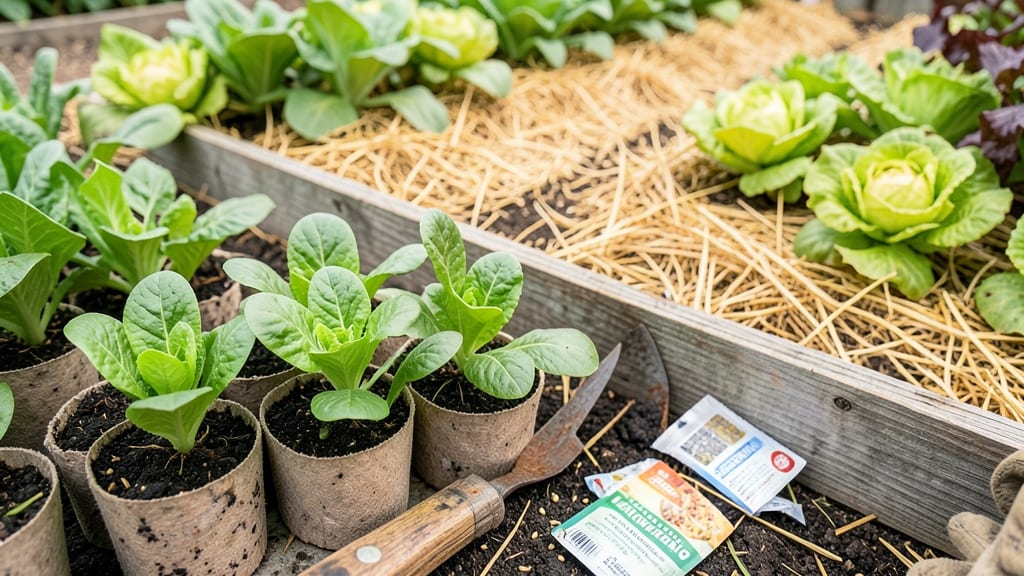
There’s nothing quite like learning how to grow a garden full of crisp, homegrown lettuce—especially when you’ve nurtured it from seed yourself. If you’ve ever dreamed of turning your backyard (or even a sunny windowsill) into a thriving lettuce patch, now’s the time to start.
Growing lettuce is one of the fastest and most satisfying ways to dive into gardening, with varieties that sprout in as little as 5 days and deliver harvests in just 30-60 days.
The key? Choosing the right seeds, prepping your soil properly, and keeping a few simple tricks in mind to avoid common pitfalls like bolting or bitter leaves.
In this guide, I’ll walk you through everything you need to know—from selecting fast-germinating varieties like Buttercrunch or Black Seeded Simpson to mastering watering schedules and companion planting for a bountiful harvest.
Whether you’re working with a raised bed, containers, or a small plot, you’ll have fresh, flavorful greens in no time.
Ready to skip the store-bought lettuce and enjoy the real deal? Let’s get your garden growing with these easy, expert-backed steps that’ll have you harvesting like a pro by spring.


Fast-germinating lettuce varieties perfect for beginners
Choosing the right lettuce varieties makes all the difference for beginners. Fast-growing types like Buttercrunch and Black Seeded Simpson deliver crisp harvests in just 30-45 days. These varieties thrive in cool weather and resist common issues like bolting—the dreaded flowering that turns your salad greens bitter.
Loose-leaf lettuces like Oakleaf and Salad Bowl offer cut-and-come-again harvests, while head lettuces such as Iceberg or Romaine provide structured, long-lasting crops. For fastest germination, opt for loose-leaf types—they sprout in 5-7 days compared to head lettuces' 10-14 days.
Here’s how to match varieties to your climate and goals:
| Variety | Type | Germination Time | Days to Harvest | Best For |
|---|---|---|---|---|
| Buttercrunch | Head | 7-10 days | 45-55 days | Crisp salads, sandwiches |
| Black Seeded Simpson | Loose-leaf | 5-7 days | 30-40 days | Cut-and-come-again |
| Oakleaf | Loose-leaf | 5-7 days | 35-45 days | Heat tolerance, flavor |
| Romaine | Head | 10-14 days | 50-60 days | Cesar salads, grilling |
| Salad Bowl | Loose-leaf | 6-8 days | 30-40 days | Continuous harvest |
For spring planting, prioritize cold-hardy varieties like Winter Density or Arctic King, which tolerate light frosts. In summer, switch to heat-tolerant types such as Jericho or Simpson Elite, which resist bolting in warmer weather.
Pro tip: Succession plant every 2-3 weeks for a steady supply. Start with loose-leaf varieties in containers or raised beds—ideal for small spaces or balconies. These fast growers ensure you’ll always have fresh greens ready for your table.
If you’re new to gardening, loose-leaf lettuces are your best bet—they forgive mistakes better than head lettuces and provide multiple harvests from a single planting. My first garden was packed with Black Seeded Simpson, and I still grow it today for its reliability and speed.
For flavor variety, mix types like Buttercrunch (buttery texture) with Oakleaf (peppery bite). This combo adds depth to salads and keeps your garden interesting. Just remember: shade cloth is your friend in hot climates—it prevents bolting and keeps leaves tender.
🌱
Step-by-step guide to planting and maintaining a thriving lettuce garden
Now that you’ve picked your perfect lettuce varieties, let’s dive into the hands-on steps to get them growing strong. The secret to a thriving lettuce garden lies in preparing your soil, planting with precision, and maintaining consistent care.
I’ve learned through years of gardening that even the fastest-growing varieties need the right conditions to reach their full potential.
Start by choosing a location that gets 4-6 hours of sunlight daily, though lettuce tolerates light shade—especially in hotter climates. If you’re growing in containers, ensure they have drainage holes to prevent soggy roots, which can lead to rot.
My favorite setup is a raised bed filled with a mix of compost, well-draining soil, and a handful of balanced fertilizer (like 5-10-5). This gives lettuce the nutrients it craves without overwhelming it.