
Propagation
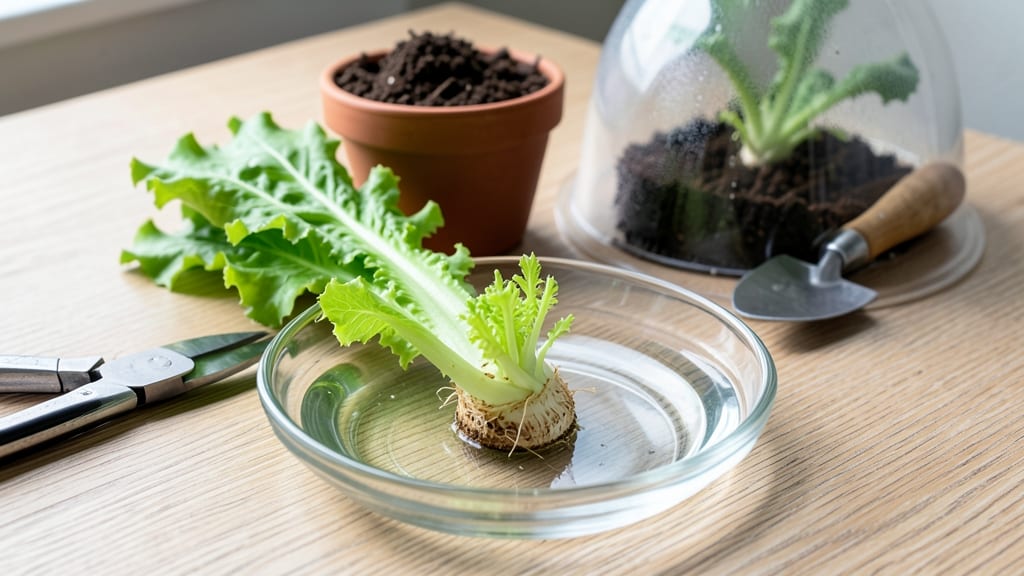
That romaine core in your fridge could grow into another crisp salad. 🌱 I’ve regrown lettuce from store-bought cores for years—it’s my secret to cutting grocery bills and always having fresh greens on hand.
The process is simpler than you’d think, and you don’t need fancy tools or a green thumb to make it work.
All you need is the core itself, a shallow container, water, and a sunny spot. Trim the core just below the bottom leaves, remove any wilted parts, and place it in an inch or two of water.
Keep it in bright, indirect light, and change the water every other day to prevent bacteria. Within a week, you’ll start seeing new growth from the center—proof that sustainability can be this easy.
By the time you’re harvesting, those crisp stems will be ready for another round of salads, wraps, or sandwiches. The best part? You’ll save money and reduce food waste, all while enjoying lettuce that’s fresher than anything from the store.
Just avoid overcrowding the container, and you’ll be on your way to a steady supply of homegrown greens.
This method works year-round, whether you’re growing on a kitchen counter or a sunny windowsill. Once you’ve mastered it, you can even try regrowing other leafy greens like cabbage or bok choy.
The key is patience—consistent care leads to consistent results, and before you know it, you’ll have a never-ending supply of homegrown lettuce.
📚 In This Guide
- What you need
- Instructions
- Tips and common mistakes
- Wrapping up and next steps
What you need
- ● Romaine lettuce core: A fresh, organic romaine head with a sturdy, intact base (about 1–2 inches thick). Choose one that’s still firm and hasn’t wilted.
- ● Shallow container: A wide, shallow dish (like a saucer, small baking tray, or even a repurposed food container) with drainage holes. Aim for at least 4–6 inches in diameter to accommodate the core.
- ● Water: Room-temperature or slightly warm water (about 1–2 cups). Change it daily to keep it fresh.
- ● Scissors or knife: A clean, sharp tool to trim the core to the right size (if needed).
- ○ Optional sunlight spot: A bright windowsill (south- or west-facing is ideal) or a grow light if natural light is limited.
- ● Growing medium: A small amount of potting soil or hydroponic cubes to transplant the regrown lettuce later.
- ● Fertilizer: A balanced, water-soluble fertilizer (like a 10-10-10 mix) to boost growth once leaves appear.
- ● Spray bottle: For misting leaves if your space is dry or lacks humidity.
- ● Food-safe container: If you plan to reuse the original container (e.g., a glass jar or ceramic dish) for aesthetic or practical reasons.
Step-by-Step instructions for regrowing romaine lettuce from the core
Here’s how I turn a store-bought romaine core into fresh, crisp lettuce—no seeds needed.
💧 Step 1: Prep the Core for Regrowth
Start with a fresh romaine core—one with at least 1-2 inches of stem still attached. Rinse it thoroughly under cool water to remove any dirt or residue from the plastic wrap. Pat it dry with a paper towel, then trim off any wilted or yellowed outer leaves. You’ll be left with a clean, firm core that looks like a tiny stump.
This is the moment that matters: the core’s health determines your success. If the cut end looks mushy or brown, toss it—it won’t regrow. A firm, white stem is your golden ticket. I like to make a fresh cross-cut at the base to expose fresh cells, about ¼ inch up from the original cut. This encourages new growth by preventing rot.
🪴 Step 2: Set Up the Water and Light
Place the trimmed core in a shallow container—like a wide-mouth jar or small bowl—with just enough water to cover the cut end by about ½ inch. The rest of the stem should stay dry. Change the water every 2-3 days to keep it fresh and prevent bacterial growth. I use a clear container so I can watch the roots sprout in a few days.
Position the setup in bright, indirect light—like a south-facing window or under a grow light. Direct sunlight can scorch the leaves, so avoid placing it in harsh midday rays. You’ll see tiny white roots emerging from the cut end within 3-5 days. Once roots reach about 1 inch long, it’s time to move to soil.
🌱 Step 3: Transfer to Soil for Full Growth
Fill a small pot—4-6 inches wide—with well-draining potting mix. Make a hole in the center deep enough to bury the core’s stem up to the base of the leaves. Gently place the core in the hole, firming the soil lightly around it. Water lightly until the soil is moist but not soggy. The roots will be delicate at first, so avoid disturbing them.
Keep the pot in the same bright, indirect light. Water whenever the top inch of soil feels dry—usually every 2-3 days, depending on your humidity. In about 2-3 weeks, you’ll see new leaves unfurling from the center. These will be tender and crisp, just like store-bought—but fresher and more flavorful.
✂️ Step 4: Harvest and Encourage Regrowth
When the new leaves reach about 3-4 inches tall, you can start harvesting the outer leaves. Snip them at the base with clean scissors, leaving the inner leaves intact. This encourages the core to keep producing more growth. I like to harvest a few leaves at a time, then let the plant recover before harvesting again in about 1-2 weeks.
Here’s the thing—this core can regrow 3-4 times if you care for it properly. After each harvest, trim any wilted leaves and keep the soil moist. If the core starts to smell or rot, it’s time to start fresh with a new one. With a little patience, you’ll have a steady supply of crisp romaine without buying another head!
Tips & tricks for perfect romaine lettuce regrowth
Real talk: Turning that sad romaine core into fresh greens is easier than you think—once you know these little secrets.
Core Selection Matters: Not all romaine cores are created equal. Look for ones with at least 1-2 inches of firm, white stem—avoid those with brown or slimy ends. I've tried to regrow from cores with only ½ inch of stem, and they just fizzle out. The thicker the stem, the better your chances of multiple harvests. Also, give your core a quick rinse before cutting—store-bought lettuce often has dirt or plastic residue hiding in those crevices.
Root Growth Hack: In Step 2, when you're waiting for roots to appear, try adding a few drops of hydrogen peroxide (3%) to the water. It keeps the water fresh longer and prevents bacterial growth. I've seen roots appear in just 2-3 days with this trick, instead of the usual 3-5 days. Just remember to rinse the core well before transferring to soil—hydrogen peroxide can be harsh on delicate roots.
Soil Transfer Tip: When moving your core to soil in Step 3, don't bury it too deep. Only cover up to the base of the leaves—any deeper and you risk suffocating the roots. I like to make a small mound of soil around the base to help stabilize the core. After planting, give it a gentle mist with water to help settle the soil without disturbing the delicate roots.
Light Positioning: That bright, indirect light is non-negotiable. If you don't have a south-facing window, a simple LED grow light on a timer (12-14 hours/day) works wonders. I've seen people try to grow romaine in dim corners, and the leaves turn pale and leggy. Position your light about 6 inches above the plant and adjust as it grows. The goal is to mimic natural sunlight without burning the leaves.
Pro Tips for Grow Romaine Lettuce From The Core
- Real talk: Turning that sad romaine core into fresh greens is easier than you think—once you know these little secrets.
- Core Selection Matters: Not all romaine cores are created equal.
- Root Growth Hack: In Step 2, when you're waiting for roots to appear, try adding a few drops of hydrogen peroxide (3%) to the water.
Frequently asked questions
Got questions about regrowing romaine lettuce from the core?
You’re not alone! Here are answers to the most common queries to help you succeed with this easy and rewarding method.
Can I regrow romaine from any store-bought core?
Not all cores work—look for fresh, firm romaine with green leaves still attached to the base. Avoid wilted, yellowed, or pre-cut stems without growth points. The best candidates are organic or locally sourced for higher success rates!
How long does it take for new leaves to sprout?
Patience is key! With the right conditions (moisture, light, and warmth), you’ll see tiny sprouts in 3–7 days. Full regrowth—ready for harvest—typically takes 1–2 weeks. Keep the water fresh and watch for progress!
What if my core starts to rot or smell bad?
This usually means too much water or poor airflow. Trim any mushy parts, rinse the core, and let it dry for 10 minutes before replanting. Use fresh water in your container and ensure it’s not submerged—just moist!
Can I regrow romaine more than once?
Yes! After your first harvest, rinse the core again, trim any browned parts, and repeat the process. However, each regrowth may be smaller or slower. Aim for 2–3 successful cycles before starting fresh.
Is regrown romaine as nutritious as fresh?
Regrown lettuce retains most of its vitamins (A, K, folate) and fiber, but nutrients may slightly decrease with time. For peak nutrition, harvest when leaves are tender and young—and pair it with other greens for variety!
Wrapping up and next steps
Growing romaine lettuce from the core is a rewarding way to reduce waste and enjoy fresh greens all season long!
With just a few simple steps—water, sunlight, and patience—you’ll transform what was once trash into a thriving harvest. Start small, stay consistent, and soon you’ll be feasting on crisp, homegrown lettuce straight from your kitchen counter!
Ready to take it further? Try experimenting with other leafy greens like kale or cabbage for even more homegrown goodness. Happy growing! 🌱✨