
Blooming
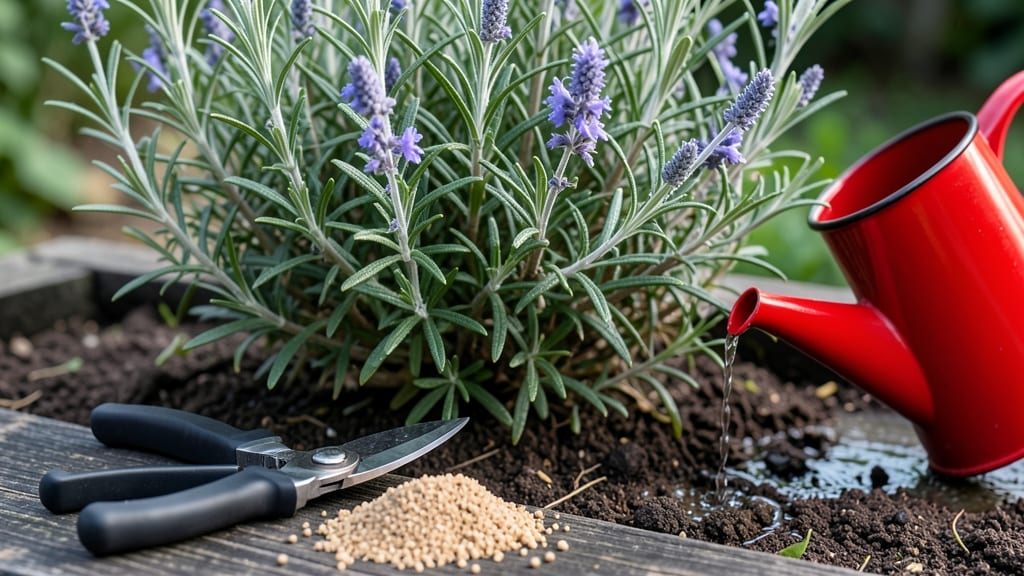
How to get salvia to bloom again—don’t give up when the first flush fades. 🌿 I’ve nursed back salvia plants that looked hopeless, and the secret lies in three simple moves: strategic pruning, the right fertilizer, and a hydration reset. Most gardeners overlook one of these, and that’s why their salvia throws in the towel after the first bloom. The first step is pruning—cut back one-third of the plant right after the first flowers fade, but never trim into bare wood. This encourages fresh growth while keeping the plant’s energy focused on blooms, not just leaves. Pair that with a balanced, low-nitrogen fertilizer (like 5-10-5) every 4-6 weeks, and you’ll see new flower spikes forming in 6-8 weeks. The key? Less nitrogen means fewer leaves, more blooms. Watering habits make all the difference. Salvia hates soggy roots but won’t rebloom if you let it dry out completely. Aim for deep watering once a week (or more in heat waves) and always check the soil’s top inch—if it’s dry, it’s time to water. The right balance keeps roots healthy and flowers coming. This method works for salvia leucantha, nemorosa, and microphylla, and even struggling plants bounce back. Let’s bring those blooms back bigger than ever.
📚 In This Guide
- What you need
- Instructions
- Tips and common mistakes
- Wrapping up and next steps
What you need
- ● Well-draining potting mix: 1–2 gallons (or enough to refill your container). Look for a blend labeled for succulents or herbs (e.g., 50% cactus/succulent mix + 50% perlite/pumice).
- ● Pruning shears: 1 pair (sterilized with rubbing alcohol). Avoid dull scissors—they crush stems!
- ● Balanced liquid fertilizer: 1 bottle (e.g., 10-10-10 or 20-20-20). Dilute to half-strength for feeding.
- ● Watering can or spray bottle: 1 (with a fine rose nozzle for gentle hydration).
- ● Container or pot: 1 (if repotting). Ensure it has drainage holes and is slightly larger than the current one.
- ● Rooting hormone: 1 small tube (speeds up propagation if you’re dividing plants).
- ● pH testing kit: 1 (to check soil pH; ideal range for Salvia: 6.0–7.0).
- ● Mulch (gravel or decorative rocks): Enough to cover soil surface (prevents moisture loss).
- ● Grow lights or sunny windowsill: Access to 6+ hours of bright, indirect light daily.
- ● Journal or app: For tracking watering/fertilizing schedules (e.g., Gardenate or a simple notebook).
Step-by-Step instructions for reviving salvia blooms
Here’s how I coax salvia back into vibrant bloom cycles—no mystery involved.
🪴 Step 1: Prune Correctly After First Bloom
Wait until after the first flush of flowers has fully faded and browned—this signals the plant has finished its energy cycle. Using clean, sharp pruners, trim back one-third of the plant’s height, cutting just above a set of healthy leaves or a leaf node. This encourages new growth from the base, which is where salvia produces the strongest stems for future blooms.
Real talk: Don’t cut into bare wood or you’ll stunt the plant. If you see woody stems without leaves, stop cutting there—salvia won’t regrow from those areas. After pruning, remove any dead or diseased stems entirely to prevent rot or pests from moving in.
💧 Step 2: Rehydrate the Roots Deeply
Salvia often skips blooming because its roots dry out too much between waterings. After pruning, water deeply until water runs out the drainage holes—this ensures moisture reaches the root zone where new growth starts. Let the top 2-3 inches of soil dry out between waterings, but never let the roots sit in soggy soil. Overwatering suffocates roots and prevents blooming.
Here’s the thing—salvia is drought-tolerant once established, but after pruning, it needs consistent moisture to recover. I use a moisture meter to check soil levels; if it’s dry past 2 inches, it’s time to water again. Mulch with 1-2 inches of organic mulch (like shredded bark) to retain moisture and protect roots from temperature swings.
☀️ Step 3: Adjust Light and Fertilize for Bloom Stimulation
Salvia craves full sun—at least 6-8 hours daily—to trigger blooming. If your plant was in partial shade, move it to a sunnier spot gradually over 7-10 days to avoid leaf scorch. You’ll see new growth start within 2-3 weeks if light is correct; if stems stay leggy and pale, it’s not getting enough sun.
Fertilize lightly with a balanced, water-soluble fertilizer (like 10-10-10) diluted to half-strength once new growth appears. Over-fertilizing encourages leafy growth at the expense of flowers. I feed mine every 4-6 weeks during the growing season, stopping completely in late summer to let the plant prepare for dormancy.
⏰ Step 4: Encourage a Second Bloom Cycle
To push salvia into a second flush of blooms, pinch back any new flower stems that appear in late summer. This redirects the plant’s energy toward root and stem growth instead of early flowering. By mid-August, reduce watering slightly to simulate autumn conditions—this stress triggers the plant to focus on blooming again in fall.
Watch for buds forming at the stem tips in late summer; this is your signal the plant is responding. Deadhead spent blooms immediately to prevent seed production, which drains energy. With proper care, salvia can bloom two to three times per season—but only if you prune, feed, and hydrate at the right moments.
Tips & tricks for reviving salvia blooms
Salvia’s second bloom cycle isn’t magic—it’s science. These simple tweaks make all the difference between another sad summer and a garden full of color.
Pruning Precision: In Step 1, when you trim back one-third of the plant’s height, focus on cutting just above a leaf node where new growth will emerge. I’ve learned this the hard way—cutting too close to bare wood means no new stems, just stunted growth. Use clean pruners and make cuts at a 45-degree angle to prevent water pooling, which can cause rot. The goal is to encourage fresh, strong stems from the base, not just random sprouts.
Watering Wisdom: The 2-3 inch soil dryness rule in Step 2 is your guide, but don’t rely on guesswork. Use your finger to check moisture—if the top 2 inches feel dry, it’s time to water. For container-grown salvia, I’ve found that letting water run through the drainage holes completely ensures roots get the hydration they need. After watering, always empty the saucer to prevent soggy roots, which can prevent blooming entirely. Think of it as giving your salvia a deep drink rather than a quick sip.
Light Transition: Moving your salvia to full sun over 7-10 days in Step 3 is crucial, but watch for leaf scorch. Start with morning sun and gradually add afternoon exposure. I’ve seen salvia leaves turn crispy when moved too quickly—it’s a clear sign the plant needs more time to adjust. Once in full sun, you’ll notice new growth appearing within 2-3 weeks, signaling the plant is happy with its new location. This is when you know you’re on the right track.
Fertilizer Timing: When you apply that half-strength fertilizer in Step 3, timing matters more than you might think. Feed only when you see new growth emerging, not before. Over-fertilizing at the wrong time can lead to lush leaves but no flowers. I’ve found that feeding every 4-6 weeks during the growing season keeps salvia blooming without encouraging too much foliage. Stop fertilizing in late summer to let the plant focus on preparing for dormancy and future blooms.
Pro Tips for Get Salvia To Bloom Again
- Salvia’s second bloom cycle isn’t magic—it’s science.
- Pruning Precision: In Step 1, when you trim back one-third of the plant’s height, focus on cutting just above a leaf node where new growth will emerge.
- Watering Wisdom: The 2-3 inch soil dryness rule in Step 2 is your guide, but don’t rely on guesswork.
Frequently asked questions
Got questions about reviving your salvia’s blooming magic? Here are answers to the most common concerns—so you can get those vibrant flowers back in no time!
Why isn’t my salvia blooming even after pruning and fertilizing?
Salvia may skip blooms if it’s stressed from overwatering, poor drainage, or inconsistent sunlight. Check soil moisture (it should be dry 1–2 inches deep) and ensure it gets 6+ hours of sun daily. If pests (like aphids) are present, treat them first—stressed plants bloom less!
How long does it take for salvia to rebloom after pruning?
With ideal conditions (sun, water, and nutrients), you’ll often see new buds in 4–8 weeks. Perennial salvias (like Salvia nemorosa) may bloom faster, while tender varieties (like Salvia splendens) might take longer. Patience is key—don’t prune again until you spot fresh growth!
Can I use regular garden soil to revive my salvia?
Not ideal! Salvia thrives in well-draining, slightly alkaline soil (pH 6.5–7.5). Mix garden soil with 50% perlite or sand and a slow-release fertilizer (like 10-10-10) to boost blooms. Avoid heavy clay—it causes root rot and stunted growth.
What’s the best alternative if my salvia refuses to bloom?
If salvia keeps underperforming, try companion plants like lavender or catmint, which share similar care needs. For instant color, swap it with zinnia or cosmos—they’re low-maintenance and bloom prolifically. Save your salvia cuttings for propagation if you love its look!
My salvia leaves are yellow—is it dying?
Yellow leaves usually signal overwatering or nutrient deficiency. Let the soil dry out completely between waterings, and feed with a balanced liquid fertilizer (like 20-20-20) every 4–6 weeks. If yellowing spreads, prune affected stems to redirect energy to healthy growth.
Wrapping up and next steps
Reviving your salvia’s blooms is all about patience, consistency, and a little plant TLC—whether it’s pruning, feeding, or rehydrating.
With the right care, you’ll coax those vibrant flowers back into action and enjoy a second flush that rivals the first! 🌸 Now’s the perfect time to monitor your plant’s progress and tweak your routine as needed. Next up? Grab your shears, step outside, and give your salvia the love it deserves—your garden will thank you!