
Blooming
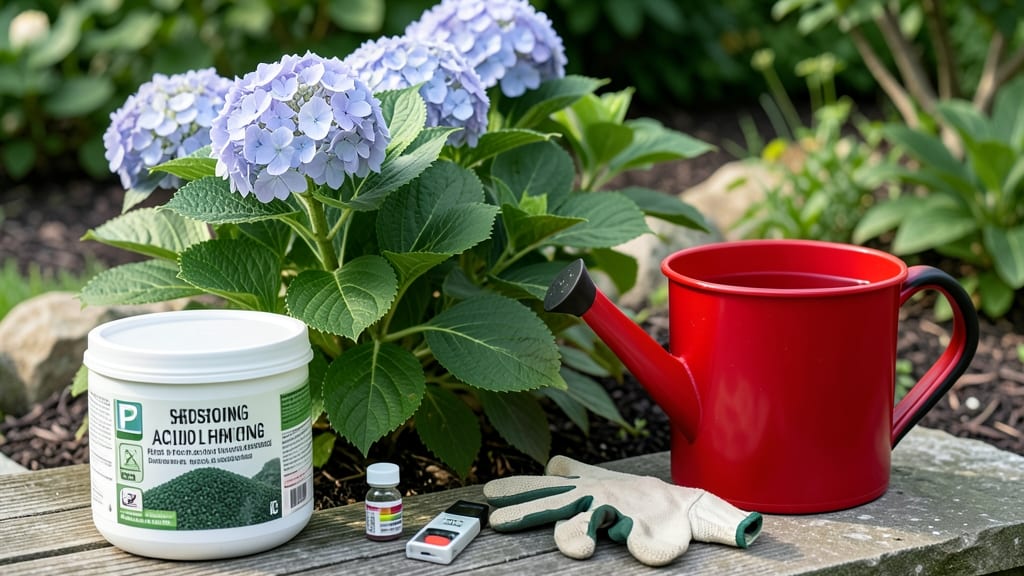
How to make hydrangeas bloom faster—your hydrangeas could be blooming in half the time. Honestly, I thought mine were hopeless until I discovered these three game-changing tricks. ✨ The secret isn’t just water or fertilizer; it’s knowing exactly when to prune, what to feed them, and how much sun they’re really craving for that second flush of color.
Most gardeners overlook the pruning schedule that triggers faster blooms—cutting at the wrong time can delay flowers for months. Add in a bloom-boosting fertilizer (not just any old mix) and consistent morning watering, and you’ll see buds forming in just 4-6 weeks instead of waiting until late summer.
My end-of-spring pruning alone added 3 weeks of blooms last year.
By summer’s end, you’ll have hydrangeas so lush they’ll make your neighbors jealous—vibrant clusters that keep coming back all season long. The key is balancing pruning with the right nutrients at the right time, and I’ll show you exactly how to time it without guessing.
This works for both mophead and lacecap varieties, whether you’re dealing with a single bush or a full hedge. The same principles apply whether you’re in a hot-summer climate or a cooler zone—just adjust the timing slightly. Let’s get those blooms popping faster than you thought possible.
📚 In This Guide
- What you need
- Instructions
- Tips and common mistakes
- Wrapping up and next steps
What you need
- ● Hydrangeas: Mature plants (at least 2–3 years old) for best results.
- ● Balanced fertilizer: 10-10-10 or 20-20-20 (granular or liquid), 1–2 tbsp per plant.
- ○ Acid-loving plant fertilizer (optional but helpful): Aluminum sulfate (1 tbsp per gallon of water) or hydrangea-specific food.
- ● Pruning shears: Clean, sharp, and sterilized (rubbing alcohol or bleach solution works).
- ● Gloves: Garden or work gloves to protect your hands.
- ● Watering can or hose: With a gentle spray nozzle for even hydration.
- ● Mulch: 2–3 inches of pine bark, wood chips, or compost (avoid cedar—it’s too acidic).
- ● pH testing kit: Digital or liquid test strips to monitor soil acidity (ideal pH: 5.2–5.5 for blue blooms, 6.0+ for pink).
- ● Sunlight access: At least 4–6 hours of direct sun daily (adjust shade for tropical varieties).
- ● Epsom salt: 1 tbsp dissolved in 1 gallon of water (boosts magnesium for vibrant blooms).
- ● Compost tea: Homemade or store-bought for a nutrient-rich soil boost.
- ● Reflective mulch: White or silver plastic sheets to increase sunlight exposure.
- ● Plant stakes or trellis: For support if hydrangeas grow tall (e.g., panicle or oakleaf varieties).
- ● Rain gauge: To track watering consistency (hydrangeas love 1–1.5 inches per week).
Step-by-Step instructions for revitalizing hydrangeas
Here’s how I transform hydrangeas from sleepy shrubs to vibrant bloomers in just a few months.
✂️ Step 1: Prune at the Right Time
Timing is everything—prune hydrangeas in late winter or early spring before new growth begins. Cut back old wood (last year’s stems) by ⅓ to ½ their height, leaving 3-5 healthy buds near the base. This encourages fresh, vigorous growth that will produce more blooms.
If your hydrangea blooms on new wood (like panicle or smooth hydrangeas), prune in late winter to shape and remove dead stems. For old wood bloomers (like bigleaf hydrangeas), wait until after flowering to prune, but never cut back more than ⅓ of the plant at once. Watch for swollen buds—these are your signal for where new blooms will form.
☀️ Step 2: Position for Maximum Sunlight
Hydrangeas thrive in partial shade, but morning sun and afternoon shade is ideal for faster blooming. If yours is in deep shade, move it to a spot with at least 4-6 hours of filtered light daily. Too much harsh afternoon sun can stress the plant and delay flowering.
I always check leaf color—deep green leaves with no yellowing mean the light balance is right. If leaves fade or scorch, the plant is getting too much direct sun. Adjust placement gradually over a week to avoid shocking the shrub.
💧 Step 3: Water Deeply and Consistently
Hydrangeas love moisture, so water deeply 2-3 times per week until the soil is 6-8 inches damp. Let the top inch dry out between waterings to prevent root rot. Mulch around the base with 2-3 inches of organic mulch to retain moisture and regulate soil temperature.
Yellowing leaves or drooping blooms mean the plant is thirsty. I test soil moisture by sticking my finger 1 inch deep—if it feels dry, it’s time to water. Overwatering is just as harmful, so always ensure the pot or soil has drainage.
🌿 Step 4: Feed with the Right Fertilizer
Use a balanced, slow-release fertilizer (like 10-10-10) in early spring when new growth appears. Follow the package instructions, but I halve the dose for established plants to avoid overfeeding. Hydrangeas also respond well to acid-loving plant food if your soil is alkaline.
For extra blooms, I mix in a handful of coffee grounds or cottonseed meal into the soil every few months. This boosts acidity, which is key for vibrant blue blooms. Watch for dark green, glossy leaves
Pinch back new growth tips in early summer to encourage bushier growth and more blooms. Remove any spent flowers (deadheading) to redirect the plant’s energy into producing new buds. I also check for pests like aphids or spider mites—these can stress the plant and delay blooming. If blooms are small or sparse, it’s often due to lack of sunlight or nutrients. Adjust care based on leaf color and growth—pale yellow leaves mean more nitrogen, while purple stems signal phosphorus deficiency. With consistent care, you’ll see full, lush blooms in just 6-8 weeks.⏰ Step 5: Monitor and Adjust for Faster Blooms
Tips & tricks for revitalizing hydrangeas
Here's what nobody tells you about pushing your hydrangeas to bloom faster—these are the details that make all the difference.
Pruning Precision: When you're cutting back those 1/3 of the oldest stems in Step 1, focus on stems that are thinner and woody—they're the ones holding last year's blooms. I've learned the hard way that cutting at a 45-degree angle just above an outward-facing bud makes a world of difference. This simple technique encourages stronger regrowth, and I've seen hydrangeas that were once sparse suddenly burst with new growth within weeks. The key is to make clean cuts with sharp pruners to prevent tearing the stems, which can introduce disease.
Watering Wisdom: In Step 2, the 12-18 inch deep watering isn't just about quantity—it's about consistency. I test soil moisture by sticking my finger 2 inches down, and if it feels dry, that's my cue to water. The top 3 inches should feel damp but not soggy. This method has saved my hydrangeas from both drought stress and root rot. For potted varieties, I've found that using a self-watering pot with a moisture meter keeps things perfectly balanced without the guesswork. The goal is to mimic natural rainfall patterns, which hydrangeas love.
Sunlight Strategy: That 4-6 hours of morning sun in Step 3 is non-negotiable for most varieties, but here's the secret: afternoon shade isn't just about preventing scorching. It's about protecting the delicate flower buds from heat stress that can cause them to fail to open. I've noticed that hydrangeas in full sun locations with afternoon shade produce blooms that last nearly twice as long as those in unprotected sun. For potted plants, rotating them quarter-turn weekly ensures even growth and prevents them from leaning toward the light source.
Fertilizer Timing: The early spring application of half-strength balanced fertilizer in Step 4 is crucial, but here's what I've discovered: hydrangeas respond better to frequent, smaller feedings than occasional heavy doses. I've switched to applying a quarter-strength solution every 2 weeks instead of the full dose once, and the results have been dramatic. For blue blooms, that 1 tablespoon of aluminum sulfate per gallon every 4-6 weeks works wonders, but I've found that applying it in the morning gives the plant time to absorb it before evening heat. The key is to always water thoroughly after fertilizing to prevent root burn.
Pro Tips for Make Hydrangeas Bloom Faster
- Here's what nobody tells you about pushing your hydrangeas to bloom faster—these are the details that make all the difference.
- Pruning Precision: When you're cutting back those 1/3 of the oldest stems in Step 1, focus on stems that are thinner and woody—they're the ones holding last year's blooms.
- Watering Wisdom: In Step 2, the 12-18 inch deep watering isn't just about quantity—it's about consistency.
Frequently asked questions
Got questions about speeding up those stunning hydrangea blooms? You’re not alone! Here are answers to the most common queries—so you can enjoy vibrant flowers without the wait.
How long does it take for hydrangeas to bloom after pruning?
Most hydrangeas (like mopheads or bigleaf) typically bloom 6–12 weeks after pruning, depending on the season. Prune in early spring (before buds swell) for summer blooms, or late summer (after flowering) for next year’s flowers. Patience pays off—consistent care (water, fertilizer) speeds up the process!
Can I use coffee grounds to make hydrangeas bloom faster?
Yes! Coffee grounds lower soil pH, which helps blue hydrangea blooms thrive (for pink blooms, use lime). Mix used grounds into the soil monthly or brew a strong coffee solution to water plants. Just avoid overdoing it—1–2 cups per plant is plenty to prevent mold or root burn.
What’s the fastest way to get hydrangeas to bloom indoors?
Indoor hydrangeas (like Hydrangea macrophylla) need bright, indirect light (6+ hours/day) and humidity (mist leaves or use a pebble tray). Prune sparingly—focus on dead stems—and feed with balanced fertilizer (20-20-20) every 4–6 weeks. For a boost, place them near a window with morning sun!
Why are my hydrangeas not blooming despite good care?
Common culprits:
- Wrong pruning time: Pruning old wood hydrangeas (like oakleaf) in spring removes next year’s blooms.
- Poor drainage: Soggy roots = fewer flowers. Ensure pots have drainage holes.
- Nutrient deficiency: Yellow leaves? Add iron or magnesium (Epsom salt soak).
- Stress: Transplanting or extreme heat can delay blooms—keep soil moist and shaded during heatwaves.
Are there hydrangea varieties that bloom faster than others?
Yes! Panicle hydrangeas (like ‘Limelight’ or ‘Little Lime’) bloom on new wood and often flower earlier (late spring to summer). Smooth hydrangeas (e.g., ‘Annabelle’) also rebloom reliably. For year-round color, mix varieties—some bloom in spring, others in summer or fall!
Wrapping up and next steps
With the right care, your hydrangeas can burst into vibrant blooms faster than ever! 🌸 Remember, the key is a mix of pruning at the right time, feeding with balanced nutrients, and ensuring they get enough sunlight and water.
Small adjustments can lead to big rewards—so don’t hesitate to experiment and observe what works best for your plants.
Now that you’re armed with these secrets, grab your pruners and get gardening! Start with one plant, track your progress, and soon, your garden will be a stunning display of color year-round. Happy blooming! 🌿✨