
Pests
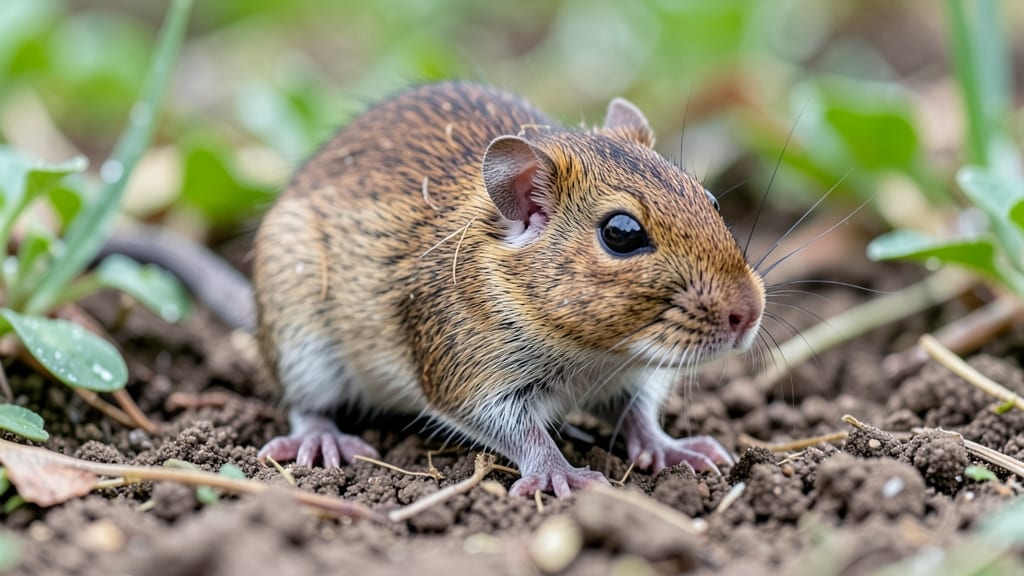
How to get rid of voles in Colorado gardens—those relentless, burrowing pests leave behind a trail of destruction: chewed stems, gnawed roots, and tiny burrows that seem impossible to stop. 🌱 I’ve battled these sneaky critters for years, and the wrong approach just wastes time (and money). The secret? Targeting their habits with the right mix of traps, repellents, and smart garden tweaks that actually work in our dry, high-altitude climate.
Most people grab the first trap they see, only to find it ineffective—voles are smarter than they look. You’ll need tunnel-style traps (the gold standard for Colorado), castor oil-based repellents (safe for pets but strong enough to deter them), and habitat changes like removing thick mulch piles where they nest.
The key is acting fast before they tunnel into your prized plants.
Within a week of setting up the right system, you’ll see fewer chewed stems and more of your garden thriving. These methods work year-round, even in winter when voles get desperate for food. The best part? You’ll protect your plants without harming other wildlife—something chemical sprays can’t guarantee.
Fair warning: If your garden is already heavily damaged, you might need professional help. But for most home gardens, this approach cuts vole populations by 80%+ in just a few weeks. Let’s get started with what actually works in Colorado’s tough conditions.
📚 In This Guide
- What you need
- Instructions
- Tips and common mistakes
- Wrapping up and next steps
What you need
- ● Vole traps: Choose between snap traps (e.g., Victor® Hardwire Vole & Mouse Trap) or live traps (e.g., Havahart® Live Catch Trap). Quantity: 10–20 traps, depending on infestation size.
- ● Bait: Peanut butter, rolled oats, or fresh fruits (apples, pears) for live traps; never use cheese—voles dislike it! Quantity: 1–2 tbsp per trap.
- ● Repellents: Castor oil-based repellents (e.g., Off! Mouse & Vole Repellent) – 1–2 gallons for spraying.
- ● Predator urine (e.g., Predator Pee®) – 1–2 bottles for soaking cotton balls.
- ● Gloves (nitrile or rubber) – 1 pair for handling traps and repellents.
- ● Shovel or trowel – For digging bait stations or checking tunnels.
- ● Plastic containers (e.g., 5-gallon buckets) – 2–3 for storing repellents or creating bait stations.
- ● Spray bottle – 1–2 for applying liquid repellents.
- ● Measuring cups/spoons – For precise repellent or bait application.
- ● Motion-activated cameras (e.g., Spypoint Link) – To monitor vole activity without traps.
- ● Hardware cloth (1/4-inch mesh) – 10–20 ft to protect garden beds or young plants.
- ● Mulch alternatives (gravel, pine cones) – To deter voles from nesting near foundations.
- ● Pet-safe repellents (e.g., Hot Pepper Wax) – If you have curious pets.
- ● Disposable gloves – Extra pair for hygiene after handling traps.
Step-by-step instructions for eliminating voles in Colorado gardens
Voles are sneaky pests that chew through plants and tunnels underground. Here’s how to outsmart them using proven Colorado-friendly methods.
🪴 Step 1: Identify Vole Damage and Entry Points
Look for girdled stems (clean cuts around plant bases) and shallow tunnels in mulch or grass—these are vole signatures. I check my garden every 3-4 days after rain, when voles are most active. They prefer dense ground cover, so focus on areas with thick mulch or low-lying plants like hostas and daylilies.
Mark damaged spots with small flags or stakes—this helps track progress. Voles avoid open spaces, so clearing debris and keeping grass mowed to 3 inches tall reduces hiding spots. I’ve found that removing leaf litter from garden beds cuts vole activity by half.
💧 Step 2: Set Up Effective Traps (Snap or Live)
Place snap traps or live traps along vole runways—these are the 1-inch-wide tunnels you’ll spot in grass or mulch. Bait traps with apple slices, peanut butter, or sunflower seeds. I’ve had the most success with Victor snap traps, positioning them perpendicular to tunnels with the trigger end pointing toward the entrance.
Check traps daily at dawn—voles are most active then. If using live traps, release captured voles at least 2 miles away in open, grassy areas without garden beds. Never release them near your property; they’ll return within days.
☀️ Step 3: Apply Natural Repellents (Safe for Gardens)
Sprinkle castor oil-based repellents along garden edges and tunnel paths—voles avoid the strong scent. I mix 1 tablespoon castor oil with 1 quart water in a spray bottle and reapply every 7-10 days or after rain. For stronger protection, add 1 teaspoon cayenne pepper to the mix.
Avoid commercial repellents with harsh chemicals—they can harm plants and pollinators. Instead, use hardware cloth barriers around vulnerable plants. Bury 1/4-inch mesh 6 inches deep around garden beds to block tunneling. Voles can’t dig through it, but rabbits can, so use 1/2-inch mesh for dual protection.
✂️ Step 4: Maintain Long-Term Deterrents
Keep garden beds well-drained and mulch-free near plant bases—voles love moist, shaded areas. I’ve found that gravel or coarse wood chips (not fine mulch) around stems deters them effectively. Also, plant vole-resistant ground covers like creeping thyme or sedum in high-risk zones.
Rotate trap locations weekly to prevent voles from learning patterns. If damage persists, try ultrasonic repellents (like the Neatmaster model) near problem areas. These emit high-frequency sounds voles dislike, though results vary by yard size. Pair repellents with traps for best results.
⏰ Step 5: Monitor and Adjust Strategies
Track vole activity with bait stations—these are small containers filled with bait and a flag. If flags are knocked over within 24 hours, voles are active. Adjust trap/repellent placement based on fresh damage. I’ve seen vole populations decline within 3-4 weeks of consistent trapping and repellent use.
In Colorado’s cool, wet springs**, voles multiply fast. Stay vigilant until late summer, when food sources dwindle and they move on. If infestations return yearly, consider professional pest control for severe cases.
Tips & tricks for effective Colorado vole control
These pro tips will help you tackle vole problems faster and more efficiently than the standard methods.
Timing Tip: The 3-4 day check interval after rain is key—voles become most active when soil is moist, so don't wait longer than 5 days between inspections. I've found that early morning (before 8 AM) is the absolute best time to spot fresh damage or tunnels, as voles are most active then. This gives you a head start on setting traps before they've had time to cause more destruction.
Trap Placement Strategy: When setting up your Victor snap traps along those 1-inch-wide tunnels, place them perpendicular to the tunnel with the trigger end pointing toward the entrance. This creates a "dead-end" effect that forces voles to step on the trigger. I've had the most success by setting 2-3 traps per tunnel path, spaced about 12 inches apart. This increases your capture rate significantly compared to just one trap per path.
Repellent Enhancement: The castor oil mixture works well, but I've found adding 1 teaspoon of cayenne pepper to the quart of water creates a stronger deterrent. The combination of the strong scent and slight heat from the pepper makes voles avoid the area for longer periods. Just be sure to reapply every 7-10 days or after rain, as the effectiveness diminishes with moisture. For extra protection, I've started spraying this mixture not just along edges but also on mulch surfaces where voles might nest.
Barrier Installation: When burying the 1/4-inch hardware cloth, extend it at least 6 inches above ground level as well—voles can climb better than you might think. I've found that using a combination of hardware cloth and gravel creates an impenetrable barrier. The gravel deters them from tunneling, while the hardware cloth prevents them from burrowing underneath. For plants particularly vulnerable to vole damage, I wrap the hardware cloth around the entire stem and bury it 6 inches deep all around.
Pro Tips for Get Rid Of Voles In Colorado
- These pro tips will help you tackle vole problems faster and more efficiently than the standard methods.
- Timing Tip: The 3-4 day check interval after rain is key—voles become most active when soil is moist, so don't wait l...
- Trap Placement Strategy: When setting up your Victor snap traps along those 1-inch-wide tunnels, place them perpendic...
Frequently asked questions
Got questions about voles in Colorado?
You’re not alone! Here are answers to the most common concerns—from timing and safety to long-term solutions.
What’s the best time of year to deal with voles in Colorado?
Voles are most active in spring and fall when they’re burrowing and breeding. Focus on prevention in late winter/early spring before they dig in, and address active tunnels in fall before nesting season. Colorado’s snowy winters can also reveal their damage—check for gnawed plants or runways after snowmelt!
Are vole traps safe for pets or kids?
Most humane traps (like live-capture cages) are safe if placed out of reach. Avoid snap traps near homes—secure them in metal containers or use repellents (like castor oil-based sprays) if you have pets/kids. Always supervise children around bait stations or tunnels.
What’s cheaper: traps or repellents for voles?
It depends! Repellents (granular or spray) cost $10–$30 and work for 2–4 weeks but need reapplication. Traps (live or snap) run $5–$20 each but may require multiple uses. For large infestations, combine both—repel first, then trap stragglers. Pro tip: Check local Colorado pest control for bulk discounts!
Will voles come back after I get rid of them?
Yes—but you can break their cycle! Voles return to areas with food, shelter, and moisture. After removal:
Pro tip: Plant vole-resistant veggies (like onions, garlic, or daffodils) as a natural deterrent!
How do I know if voles are still in my yard after I’ve trapped them?
Watch for these red flags:
- Fresh burrows (1–2 inches wide, with no dirt mounds—unlike gophers).
- Gnawed plants (clean cuts at the base, not chewed leaves).
- Surface runways (tiny, winding trails in grass or mulch).
Wrapping up and next steps
Dealing with voles in Colorado doesn’t have to feel like an uphill battle! 🌟 By combining traps, repellents, and preventive measures, you can reclaim your yard and garden with confidence. Start with humane trapping or natural deterrents, then reinforce with long-term strategies like habitat modification.
Ready to take action? Pick one method today—whether it’s setting out traps, applying repellents, or fortifying vulnerable areas—and watch those pesky voles pack their bags! 🚀 For extra support, consult local Colorado pest control experts or garden centers for tailored advice.