
How To
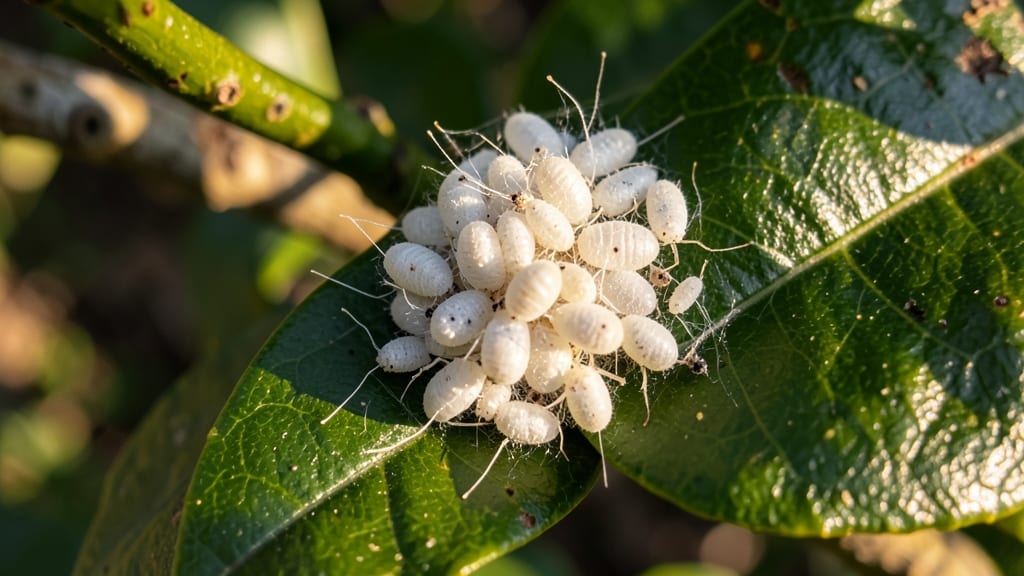
How to get rid of mealybugs on my orange tree—those sticky, white pests that turn your leaves into a nightmare. 🌿 I’ve fought these invaders for years, and I’ll show you how to eliminate them—without harsh chemicals—before they sap your tree’s energy. The key? Fast-acting sprays that smother them on contact.
Start by identifying the problem: tiny, cottony clusters hiding under leaves or along branches. A strong blast of water first dislodges them, but follow up with neem oil or soapy water (1 tsp mild soap per quart of water) to suffocate what remains.
Repeat every 5-7 days until they’re gone—usually 2-3 treatments.
Your tree will bounce back faster than you think. New growth appears within 2-3 weeks, and the sticky residue fades. The best part? These methods keep your citrus safe for harvesting within weeks, not months. No more chemical warnings on your oranges!
For stubborn cases, add horticultural oil to your spray mix—it coats mealybugs and blocks their breathing. Just apply it when temps are above 50°F to avoid harming your tree. Prevention? Keep trees healthy with balanced watering and regular leaf checks—early detection is your best weapon.
Why it happens
Mealybugs may seem like random invaders, but they’re actually drawn to your orange tree for very specific reasons. Understanding why they show up is the first step to stopping them in their tracks.
These tiny, cottony pests don’t just appear out of nowhere—they’re lured by environmental cues, plant weaknesses, and even human habits. Let’s break down the real culprits behind their infestation.
🌡️ Warm, Stagnant Climates: Their Perfect Nest
Mealybugs thrive in humid, sheltered environments—think of them as tropical snowbirds who refuse to leave their cozy hideouts. Your orange tree’s dense foliage creates the ideal microclimate for them, especially in:
- Greenhouses or shaded areas: Without airflow, humidity lingers, and mealybugs multiply faster. A single female can lay hundreds of eggs in a protected spot, and her offspring will stay hidden until they’re ready to feed.
- Poor drainage: Overwatering or compacted soil keeps roots soggy, weakening the tree’s defenses. Mealybugs detect stressed plants through volatile organic compounds (VOCs) released by struggling trees—like a distress signal in insect language.
- Sudden temperature shifts: While they love heat, they also exploit cool nights (60–75°F) to slow their metabolism and conserve energy. This is why they often appear in spring or fall, when conditions are just right for them.
💡 Pro Tip: If your tree is in a pot, check the bottom for waterlogged soil. Mealybugs love the damp, dark space where the pot meets the soil—it’s their version of a five-star resort.
🍃 Weakened Trees: A Buffet of Sap
Mealybugs are sap-sucking vampires, and they’re drawn to trees that are already compromised. Here’s what makes your orange tree a mealybug magnet:
- Nutrient deficiencies: Lack of nitrogen, potassium, or magnesium stresses the tree, making its sap sweeter and easier to access. A quick soil test can reveal if your tree is starving—mealybugs smell (or taste) weakness.
- Physical damage: Pruning wounds, cracked bark, or even bird peck marks create entry points. Mealybugs exploit these openings to insert their stylets (tiny mouthparts) and start feeding within minutes.
- Root stress: Compacted soil, root-bound pots, or fungal infections (like Phytophthora) send chemical signals that attract mealybugs. They’re essentially following the scent of a struggling host.
🔥 Warning: If your tree is already infested, the mealybugs may be spreading honeydew (their sticky waste), which can lead to sooty mold—a black fungal growth that blocks sunlight and further weakens the tree. It’s a vicious cycle.
🐞 Hitchhiking Pests: The Uninvited Guests
Mealybugs don’t always arrive on their own—they often hitch a ride on other pests or even gardening tools. Here’s how they sneak in:
- Ants as bodyguards: Ants farm mealybugs like cattle, protecting them in exchange for honeydew. If you see ants crawling up your tree, they’re likely herding mealybugs to a new feeding ground.
- Infested plants or soil: Bringing home a new citrus tree, succulent, or even potting mix can introduce mealybugs. They’re masters of cryptobiosis—a state where they dry out and appear dead, only to revive when conditions are right.
- Gardening tools and clothing: A contaminated pruner, glove, or even your shoes can transfer mealybugs from one plant to another. They’re sticky (thanks to their waxy coating) and cling to fabric or metal.
✨ Insider Trick: Quarantine new plants for 2–4 weeks before introducing them to your orange tree. Inspect leaves, stems, and soil for cottony clusters or ants—early detection is key!
🌱 Human Habits: The Overlooked Invitation
Sometimes, we accidentally create the perfect mealybug paradise. Common gardening mistakes that invite them include:
- Over-fertilizing with nitrogen: While nitrogen helps leaves grow, it can make them softer and more attractive to sap-sucking pests. A balanced 10-10-10 fertilizer is safer than heavy nitrogen spikes.
- Ignoring natural predators: Ladybugs, lacewings, and parasitic wasps hunt mealybugs. If you’ve used broad-spectrum pesticides, you might’ve wiped out these allies too.
- Skipping pruning: Dead or crossing branches create shady, humid pockets where mealybugs hide. Regular pruning improves airflow and removes their hiding spots.
🎯 Action Step: Next time you prune, sterilize your tools with rubbing alcohol to kill any hidden hitchhikers. And if you spot ants, treat them first—they’re the mealybugs’ enablers.
Banish Mealybugs Naturally Today
Mealybugs may seem like a stubborn foe, but with the right approach, you can reclaim your orange tree in no time! Below are targeted solutions based on the root cause of your infestation—whether it’s overcrowded branches, poor drainage, or a lack of natural predators.
Each method is easy, effective, and eco-friendly, so you can tackle the problem without harsh chemicals.
Mealybugs thrive in dense foliage where airflow is limited. If your tree is packed with branches or has weak growth, they’ll hide and multiply.
✅ How to Treat It:
- 🌿 Prune strategically – Trim back overgrown branches to improve airflow and sunlight exposure. Focus on inner branches where mealybugs love to nest.
- 🍃 Remove heavily infested leaves – If a branch is severely covered, snip it off and dispose of it in a sealed bag (not the compost!).
- 🌱 Boost tree health – Weak trees attract pests. Fertilize with citrus-specific organic fertilizer to strengthen its defenses.
💡 Pro Tip: Prune in early morning when mealybugs are less active, and sterilize your pruners with rubbing alcohol to avoid spreading infestations.
If mealybugs have already taken hold, a natural spray is your best weapon. These recipes are safe for citrus trees and won’t harm beneficial insects like ladybugs.
🥘 Soap Spray (Best for Active Infestations)
Ingredients:
- 1 tbsp mild liquid soap (like Castile or dish soap)
- 1 quart warm water
- 1 tsp neem oil (optional, for extra pest control)
👨🍳 How to Make It:
- Mix soap and water in a spray bottle.
- Add neem oil if using (shake well before spraying).
- Spray directly on mealybugs (they’ll dissolve within hours!).
- Reapply every 3-5 days until gone.
⚠️ Warning: Avoid harsh soaps (like Dawn) or essential oils (like tea tree oil), as they can burn citrus leaves.
🔪 Alcohol Wipe (For Small, Isolated Clusters)
If mealybugs are in a specific spot, a quick wipe-down works fast.
What You’ll Need:
- 70% isopropyl alcohol
- Cotton swabs or a soft cloth
Steps:
- Dip a cotton swab in alcohol.
- Gently dab each mealybug cluster (they’ll die on contact).
- Wipe away any sticky residue afterward.
⏰ Best Time to Apply: Early morning or late afternoon to avoid leaf burn from the sun.
Instead of constantly spraying, encourage nature’s pest control! These predators love mealybugs and will keep populations in check.
🐞 Who to Invite to Your Tree:
- Ladybugs (release 50-100 per tree)
- Parasitic wasps (like Anagyrus pseudococci)
- Cryptolaemus beetles (voracious mealybug eaters)
🎯 How to Attract Them:
- Plant companion flowers like alyssum or dill nearby.
- Avoid broad-spectrum pesticides (they kill beneficial bugs too!).
- Buy them online or from garden centers specializing in biological controls.
✨ Bonus: If you spot lacewings or hoverflies, they’re also mealybug hunters—welcome them with open branches!
Once you’ve banished mealybugs, stop them from returning with these simple habits:
- 🌧️ Check for scale insects too – They often travel together.
Wipe branches with soapy water monthly. - 🌿 Mulch properly – Use wood chips or straw (not plastic) to improve soil health and deter pests. - 🍊 Inspect new plants – Quarantine any new citrus trees for 2 weeks before introducing them to your garden. - 🌿 Encourage ants – Wait, really?
Ants farm mealybugs for honeydew. Disrupt their trails with diatomaceous earth (food-grade) to break their mealybug buffet.
Final Thought: Mealybugs may be sneaky, but with pruning, sprays, and natural allies, your orange tree will be pest-free in weeks—and your fruit will thank you! 🍊✨
Frequently asked questions
How do I know if my orange tree has mealybugs?
Look for cottony, white clusters on leaves, stems, or branches—these are mealybugs! You may also spot sticky residue (honeydew) on leaves or a black sooty mold growing on the sticky spots. Check under leaves and in leaf axils (where leaves meet stems) first, as they love hiding there.
Can I use vinegar to kill mealybugs on my orange tree?
Yes, but dilute it properly! Mix 1 part white vinegar with 3 parts water and spray directly on mealybugs. Avoid spraying the entire tree, as undiluted vinegar can burn leaves. Reapply every 3-5 days until they disappear. For best results, combine with a drop of mild soap to help the spray stick.
Why do mealybugs keep coming back after treatment?
Mealybugs reproduce quickly, so you may need 3-4 treatments spaced 5-7 days apart to kill all life stages. Check for hidden clusters in crevices or under bark, and consider adding horticultural oil to your spray for better coverage. Also, ensure your tree isn’t stressed—healthy trees resist pests better!
Are mealybugs harmful to my orange tree's fruit?
Yes, they can damage fruit by sucking sap, causing deformed or discolored spots on oranges. Worse, their honeydew attracts ants and sooty mold, which can ruin the fruit’s appearance and flavor. Early treatment is key—spray young fruit with neem oil or soapy water to protect it while keeping your harvest safe to eat.
How can I prevent mealybugs from spreading to other plants?
Isolate infested trees immediately and sterilize tools with rubbing alcohol after pruning. Avoid moving plants near your orange tree until the infestation is gone. If you have other citrus or susceptible plants (like succulents), inspect them weekly and treat preemptively with soapy water sprays.