
How To
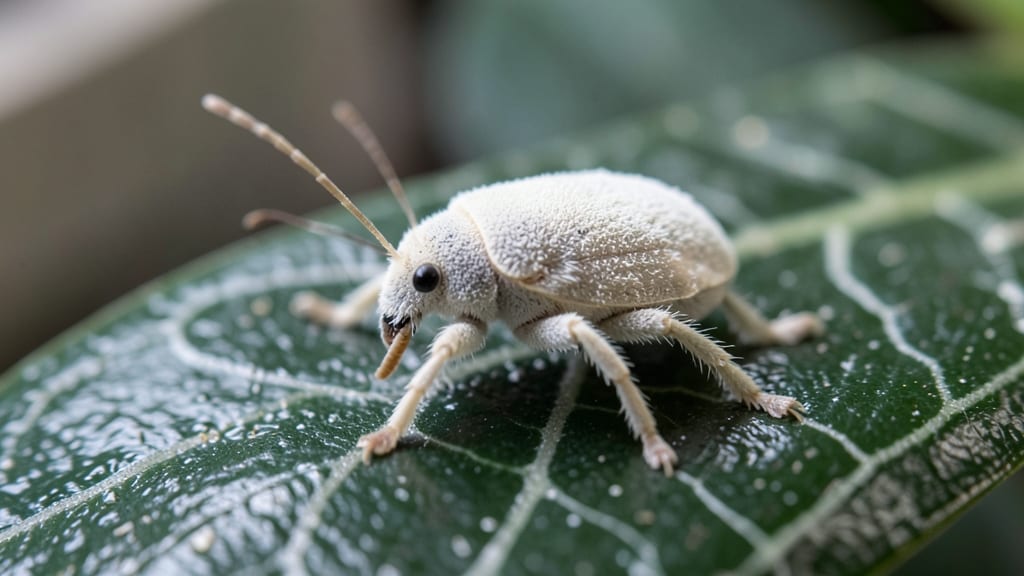
How to get rid of mealybugs on ficus—this sticky, white nightmare—is easier than you think. These tiny pests thrive in hidden crevices, sucking sap and leaving behind a cottony mess, but neem oil spray is the game-changer that finally cleared my plant in under two weeks. The secret? A mix that smothers them on contact while protecting your plant’s leaves.
Most people grab the first spray they see, but that’s a mistake. You need 1 teaspoon of neem oil, 1 teaspoon of mild liquid soap, and 1 quart of water—mixed carefully to avoid leaf burn.
Spray the undersides of leaves (where mealybugs hide) and stems until damp, repeating every 5-7 days until they’re gone. The key is consistency; these pests don’t surrender easily.
What you’ll notice after the first treatment is less sticky residue and fewer white clusters. By the third spray, your ficus will start looking vibrant again, with new growth pushing out.
The best part? Neem oil also deters future infestations, so your plant stays protected long after the last spray.
This method works for all ficus varieties, from the classic Banyan to the delicate Weeping Fig. For stubborn cases, add a second spray with 70% isopropyl alcohol (diluted 1:1 with water) to break through their waxy armor.
Prevention is easy—just wipe leaves monthly with a damp cloth to catch early signs.
Root Causes of Mealybug Outbreaks
Mealybugs may seem like a sudden, unwanted surprise on your Ficus plant, but their arrival is rarely random. These tiny, cottony pests thrive under specific conditions, and understanding why they appear is the first step to preventing—or eliminating—them for good.
Below, we break down the most common reasons these sap-sucking insects invade your plant, backed by science and actionable insights.
Mealybugs are tropical pests at heart, and they love environments that mimic their natural habitat—warm, humid, and cozy. While your Ficus might be thriving in your home, these conditions can also signal an open invitation to mealybugs.
- Why it happens: Mealybugs thrive in temperatures between 70–85°F (21–29°C). If your home consistently stays in this range (especially in winter with indoor heating), you’re creating an ideal buffet. High humidity—above 60%—further encourages their reproduction, as their waxy bodies prevent rapid water loss, allowing them to survive in damp conditions.
- Science behind it: Mealybugs are hemimetabolous insects, meaning they undergo incomplete metamorphosis. Their nymphs (baby mealybugs) are highly sensitive to dryness, and high humidity ensures they develop quickly into adults. Additionally, warm air slows down natural predators (like ladybugs or parasitic wasps), giving mealybugs a head start.
- Actionable fix:
- Use a hygrometer to monitor humidity—aim for 40–50% humidity for your Ficus to stay comfortable while deterring pests.
- Increase airflow with a small fan on low speed near your plant (but avoid direct drafts).
- If your home is naturally humid, dehumidifiers or air purifiers with humidity controls can help.
Healthy Ficus plants are naturally resistant to pests because their sap is less nutritious and their leaves produce protective compounds. But when your plant is stressed, it becomes a mealybug magnet.
- Why it happens:
Mealybugs target plants that are already struggling due to:
- Overwatering or underwatering – Both extremes weaken the plant’s cell walls, making sap easier to access. Root rot from overwatering releases volatile organic compounds (VOCs) that attract pests.
- Nutrient deficiencies – A lack of nitrogen, phosphorus, or potassium makes leaves softer and more susceptible to piercing by mealybug mouthparts.
- Physical stress – Recent repotting, transplant shock, or exposure to cold drafts can trigger a defensive shutdown, leaving the plant vulnerable.
- Science behind it: Mealybugs use their stylet (a hollow, needle-like mouthpart) to penetrate plant cells and suck out phloem sap. When a plant is stressed, its phenolic compounds (natural defenses) decrease, making it easier for mealybugs to feed without triggering a rapid immune response.
- Actionable fix:
- Check your watering routine—Ficus prefer slightly dry soil between waterings. Stick your finger 1–2 inches deep; if it’s damp, wait.
- Fertilize with a balanced liquid fertilizer (10-10-10) every 4–6 weeks in growing season to boost resilience.
- If your plant is recovering from stress, isolate it until it regains vigor to prevent mealybugs from spreading.
Mealybugs don’t just appear out of thin air—they hitchhike on unsuspecting carriers. Your new Ficus or gardening tools might be the unwitting culprits behind an infestation.
- Why it happens:
Mealybugs and their eggs are microscopic and nearly invisible to the naked eye. They can:
- Latch onto new plants from nurseries, garden centers, or online orders (even if the plant looks healthy).
- Hide in potting soil, especially if it’s reused or not sterilized.
- Stow away on pruning shears, trowels, or pots from previously infested plants.
- Science behind it: Mealybugs produce wax filaments that help them cling to surfaces and each other. These filaments make them highly mobile on plants and tools, allowing them to spread quickly. Their eggs are also sticky, ensuring they stay attached even during transport.
- Actionable fix:
- Quarantine new plants for 2–4 weeks before introducing them to your collection. Inspect undersides of leaves, stems, and soil with a magnifying glass.
- Clean tools with 70% isopropyl alcohol or a 10% bleach solution between uses.
- If repotting, sterilize soil by baking it at 200°F (93°C) for 30 minutes or using cocopeat (which naturally repels pests).
Mealybugs don’t just infest one plant—they colonize. If your Ficus is living in a plant party with no space to breathe, it’s a recipe for disaster.
- Why it happens:
Mealybugs spread via:
- Direct contact between plants (they crawl or are carried by wind/air currents).
- Shared environments where humidity and warmth trap them, like greenhouses, windowsills, or shelving units with no airflow.
- Science behind it: Mealybugs release pheromones to attract mates and signal safe feeding zones. In crowded spaces, these chemical cues amplify, creating a feedback loop where more mealybugs are drawn to the area.
- Actionable fix:
- Space plants 6+ inches apart to improve airflow and reduce pest transmission.
Effective Ways to Eliminate Mealybugs
Mealybugs may seem like a stubborn pest, but with the right approach, you can restore your ficus to its healthy, bug-free glory. Below are targeted solutions tailored to the most common causes of infestations—from early signs to severe outbreaks—along with prevention tips to keep your plant thriving long-term.
---
Cause: Caught the problem before it spreads? Great! Early intervention is the easiest fix. Fix: - Isolate the plant 🏝️ to prevent cross-contamination. - Wipe bugs off with a cotton swab dipped in rubbing alcohol (70% isopropyl) or soapy water (1 tsp mild dish soap per quart of water). Focus on leaves, stems, and crevices where mealybugs hide. - Repeat every 2–3 days until no signs remain. Patience is key—these pests are sneaky!
💡 Pro Tip: Check the undersides of leaves and leaf axils (where leaves meet stems) first—these are mealybug hotspots.
---
Cause: Mealybugs have spread slightly, and you want a chemical-free fix. Fix: Neem oil disrupts their life cycle and suffocates adults. Here’s how to use it effectively: 1. Mix your spray: Combine 1 tsp neem oil + 1 tsp mild soap (like Castile) + 1 quart of water in a spray bottle. 2. Shake well before each use—neem oil separates. 3. Spray thoroughly, covering all leaf surfaces, stems, and soil (mealybugs hide in soil too!). 4. Apply in the evening to avoid leaf burn from sunlight. 5. Reapply every 5–7 days for 2–3 weeks. Consistency kills infestations!
⚠️ Warning: Test on a small leaf first—some ficus varieties are sensitive to soap.
---
Cause: You need a quick, budget-friendly solution with minimal effort. Fix: Insecticidal soap is a mealybug nemesis because it dissolves their waxy coating. Here’s the recipe: - Mix: 1 tbsp horticulture oil or vegetable oil + 1 tsp mild liquid soap (like Dawn) + 1 quart water. - Spray directly on bugs (no need to cover the whole plant unless infested). - Wait 4–6 hours, then rinse leaves with water to prevent residue buildup. - Repeat every 3–4 days until bugs vanish.
🌡️ Pro Tip: Spray on cool days (below 85°F) to avoid leaf damage.
---
Cause: Your ficus is heavily coated in mealybugs, and they’re reproducing fast. Fix: When bugs are everywhere, combine mechanical removal + chemical treatment: 1. Prune heavily infested leaves 🪒 (dispose of them in a sealed bag). 2. Use a systemic insecticide like imidacloprid (follow label instructions). This works from inside the plant, killing bugs as they feed. 3. Combine with neem oil or insecticidal soap for a two-pronged attack. 4. Quarantine the plant for at least 2 weeks post-treatment.
✨ Pro Tip: After treatment, wipe leaves with a damp cloth to remove dead bugs and sticky residue (honeydew).
---
Once you’ve won the battle, lock in the victory with these habits: - Inspect new plants 👀 before bringing them home (quarantine for 2 weeks). - Clean your tools 🧼 with rubbing alcohol after pruning. - Encourage natural predators like ladybugs or lacewings (buy them online if needed). - Avoid over-fertilizing—soft, nutrient-rich plants attract pests. - Wipe leaves monthly with a soapy water cloth to deter early infestations.
--- 🎯 Final Reminder: Mealybugs are persistent, but consistency wins. Stick to your treatment plan, and your ficus will bounce back healthier than ever!
Frequently asked questions
How do I know if my ficus has mealybugs?
Look for white, cottony clusters in leaf crevices, stems, or undersides—these are mealybugs! You might also spot sticky honeydew residue on leaves or soil, which attracts ants. Use a magnifying glass to check hidden areas where bugs hide.
Can I use rubbing alcohol to kill mealybugs?
Yes! Dip a cotton swab in 70% isopropyl alcohol and dab directly on mealybugs—they’ll dissolve instantly. For stubborn cases, spray a 1:1 alcohol-water mix on infested areas, then rinse after 5 minutes to protect leaves.
Why do mealybugs keep coming back after treatment?
Incomplete treatment or hidden eggs cause reinfestation. Always check undersides of leaves and stems and repeat sprays every 5–7 days for 3 weeks. Isolate your ficus during treatment to prevent spreading.
Is neem oil safe for all ficus varieties?
Most ficus tolerate neem oil, but test a small leaf first—some varieties (like Ficus lyrata) may show sensitivity. Use 1 tsp neem oil + 1 tsp mild soap per quart of water and apply in the evening to avoid leaf burn.
How can I prevent mealybugs from spreading to other plants?
Quarantine infested ficus for 2 weeks and clean tools with rubbing alcohol after use. Keep plants spaced 6+ inches apart to improve airflow, and inspect new plants before bringing them home.