
Pests
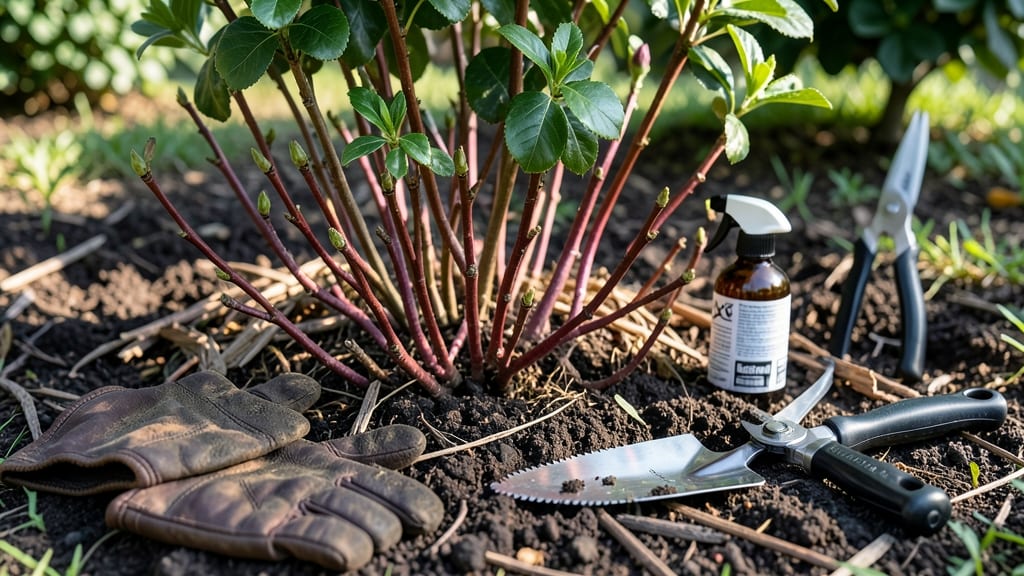
How to get rid of crepe myrtle shoots—those relentless weeds that pop up after every rain—has been my battle for years. The root-cutting trick finally worked, sparing me endless digging or mulching failures. The secret lies in cutting deep enough to starve the roots without harming your main tree.
You’ll need a sharp shovel, pruners, and a clear day when the soil is dry. The goal is to sever the roots 6–12 inches below ground, where the suckers originate.
This method works best in early spring or fall, when the tree isn’t actively growing. Just be patient—it might take a few rounds to fully stop regrowth.
Once you’ve cut the roots, mulch the area heavily to prevent new shoots from sprouting. Within weeks, you’ll notice fewer volunteers, and your main tree will focus its energy on blooming instead of sending up unwanted clones. The best part? No harsh chemicals needed.
For tough cases, repeat the process in late summer if new shoots appear. If your yard is overrun, consider professional help—some root systems are deeper than you’d expect. But for most homeowners, this trick works like magic.
📚 In This Guide
- What you need
- Instructions
- Tips and common mistakes
- Wrapping up and next steps
What you need
- ● Pruning shears or loppers – Choose bypass pruners (for clean cuts) or loppers (for thicker shoots, 1-2 inches in diameter). Ensure they’re sharp and disinfected (rubbing alcohol works!).
- ● Garden gloves – Heavy-duty work gloves (e.g., mechanics’ gloves or gardening gloves with reinforced palms) to protect your hands from thorns and rough bark.
- ● Shovel or garden spade – A flat-bladed spade or digging shovel (for deep root cuts; at least 10-12 inches long to reach roots effectively).
- ● Hoe or mattock – A stout garden hoe (for surface-level shoots) or a mattock (for stubborn roots).
- ○ String trimmer (weed whacker) – Optional but handy for large patches or overgrown areas (use a sharp blade and wear safety goggles!).
- ● Rake – A bow rake or landscaping rake to clear debris after cutting.
- ● Hose or water source – To rinse tools and wash off sap/residue.
- ● Safety goggles – Protect your eyes from flying debris (especially when using a trimmer).
- ● Knee pads – For comfort if you’re kneeling or working on hard ground.
- ● Broadcast herbicide (glyphosate-based) – Only if chemical treatment is needed. Use a ready-to-spray bottle or concentrate + sprayer (follow label instructions carefully!).
- ● Heavy-duty trash bags – For disposing of cuttings (check local regulations—some areas require burning or special disposal).
- ○ Root killer (optional) – Products like vinegar-based root killers or corn gluten meal (for organic control; apply as directed).
How to eliminate crepe myrtle shoots using the root-cutting method
This targeted approach stops regrowth by cutting off the source—your secret weapon against stubborn crepe myrtle volunteers.
Identify and Mark the Shoots
Scan the area for any green shoots emerging from the ground, focusing on areas where mature crepe myrtles previously grew. These shoots can sprout up to 3 feet from the parent plant, so look beyond the obvious spots. Use a white spray paint marker to circle each shoot at its base—this creates a visual guide for cutting and helps you spot any you might miss later.
Pay special attention to the soil surface around established trees. You’ll often find clusters of shoots forming in a ring, indicating a strong root system just beneath. These are your top priority targets. The more shoots you remove now, the fewer will return next season.
Cut Shoots at Ground Level
Equip yourself with sharp pruning shears or a clean spade. For shoots thinner than a pencil, snap them off cleanly at the soil line with your hands—no tools needed. For thicker shoots (about the size of a pencil or larger), use your pruning shears to make a clean cut just 1/8 inch above the ground. This prevents the shoot from re-sprouting from the same spot.
If you’re working with a spade, dig down 2-3 inches deep around the shoot’s base to sever any underground connections. This is especially important for shoots that feel woody or have multiple stems. The goal is to remove as much of the root system as possible without damaging nearby plants or disturbing the soil too much.
Apply a Root-Cutting Herbicide (Optional but Effective)
For stubborn shoots or large infestations, use a systemic herbicide labeled for woody plants, such as glyphosate (e.g., Roundup). Mix the herbicide according to the package instructions and apply it directly to the cut stumps of the shoots. Avoid spraying nearby desirable plants—use a small brush or sponge to target only the crepe myrtle shoots.
Wait 24 hours after applying the herbicide before watering the area. This allows the chemical to absorb into the plant tissue. Over the next 7-10 days, you’ll see the shoots wilt and die. If any shoots survive, repeat the process, focusing on any new growth that appears.
Monitor and Repeat as Needed
Check the treated area every 2-3 weeks for new shoots. Crepe myrtles are persistent, and it’s common to see a few survivors, especially if the roots are deep or widespread. When you spot new growth, repeat the cutting process immediately—don’t let shoots grow taller than 6 inches, as larger shoots are harder to remove and may have developed deeper roots.
For long-term control, consider applying a pre-emergent herbicide in early spring before shoots appear. Products like corn gluten meal can suppress new growth, though they won’t kill existing roots. Combine this with regular monitoring to stay ahead of regrowth. Consistency is key—crepe myrtle shoots won’t give up easily, but neither should you.
Prevent Future Regrowth
To minimize future shoots, mulch the treated area with 2-3 inches of organic mulch, such as wood chips or straw. This blocks sunlight from reaching any remaining roots and discourages new growth. Keep the mulch at least 6 inches away from the base of any nearby trees or shrubs to prevent smothering their roots.
If you’re dealing with a mature crepe myrtle tree, consider installing a root barrier around its drip line. A 30-gauge hardware cloth barrier buried 18-24 inches deep can prevent roots from spreading and producing new shoots. This is a more permanent solution but requires upfront effort. Either way, vigilance in the first year will pay off in fewer headaches down the road.
Tips & tricks for permanent crepe myrtle shoot removal
Stopping crepe myrtle regrowth takes more than just pulling shoots—here's how to make your effort pay off.
Precision Over Speed: In Step 1, don't just mark where shoots appear—look for the pattern. I've learned that roots often travel in straight lines along property edges. When you find a cluster of shoots, dig your test hole in the center of that cluster, not just next to one shoot. This helps you locate the thickest root zones where cutting will have the biggest impact. The first time I missed this, I spent hours cutting only to see new shoots pop up just a few feet away.
Cutting Strategy Matters: During Step 2, focus on making clean cuts that completely sever the root. I've seen people use dull tools that crush rather than cut roots, leaving tiny fragments that can regrow. For thick roots, make your first cut vertically down to 18 inches, then follow with horizontal cuts every 6 inches. This creates a grid pattern that breaks up the root network more effectively than random cuts. Think of it like cutting a loaf of bread—you want clean slices, not crumbs.
Herbicide Application Tip: When using glyphosate in Step 3, don't just spray the soil surface. The key is getting the chemical onto the freshly cut root faces. I use an old paintbrush to paint the herbicide directly onto the exposed root surfaces—this ensures the chemical reaches the living tissue where it will be most effective. For the vinegar solution, apply it when the roots are wet (like after morning dew) to help the mixture penetrate better.
Monitoring System: For Step 4, create a simple monitoring schedule using your phone's calendar. Set reminders for weekly checks during the first 3 months, then switch to monthly reminders. I color-code my calendar entries—red for the first 6 weeks when regrowth is most likely, then yellow for months 2-6. This visual system helps me stay consistent without forgetting important checkpoints. The first time I skipped a check, I missed a new shoot that grew into a 2-foot stalk before I noticed it.
Pro Tips for Get Rid Of Crepe Myrtle Shoots
- Stopping crepe myrtle regrowth takes more than just pulling shoots—here's how to make your effort pay off.
- Precision Over Speed: In Step 1, don't just mark where shoots appear—look for the pattern.
- Cutting Strategy Matters: During Step 2, focus on making clean cuts that completely sever the root.
Frequently asked questions
Why do crepe myrtle shoots keep coming back even after I pull them?
Crepe myrtle shoots regrow from the root system or underground stems (rhizomes). Simply pulling them out often leaves parts of the root intact, which triggers new growth. The key is to cut the roots (about 6–12 inches deep) to starve the plant. Repeat this process 2–3 times over 2–3 weeks for best results.
When is the best time of year to tackle crepe myrtle shoots?
The ideal time is late spring or early summer (May–June) when the shoots are actively growing but before they flower. This timing ensures you’re cutting fresh growth while avoiding winter dormancy (when roots are less active). Avoid fall—new shoots may sprout before frost kills them, making regrowth more likely.
Can I use herbicide instead of cutting roots? What’s the safest method?
Yes, but glyphosate-based herbicides (like Roundup) are most effective when applied directly to fresh cuts or shoots. For safety:
- Spray only on shoots (avoid desirable plants).
- Reapply after 7–10 days if regrowth appears.
- Wear gloves and follow label instructions.
What if my neighbor’s crepe myrtle is sending shoots onto my property? Can I remove them?
Yes! Shoots growing on your property are yours to remove, even if they originate from a neighbor’s tree. Politely notify them first—some may not realize their plant is invasive. If they refuse to act, proceed with root cutting or herbicide (but avoid damaging their tree). Document the issue in case of disputes.
Are there any crepe myrtle varieties that don’t spread as aggressively?
While all crepe myrtles (Lagerstroemia) can sucker, some varieties are less aggressive than others. Look for ‘Natchez,’ ‘Tonto,’ or ‘Muskogee’—they produce fewer shoots. If planting, consider container-grown trees or root barriers to limit spread. However, no variety is completely non-invasive.
Wrapping up and next steps
Getting rid of crepe myrtle shoots doesn’t have to be a never-ending battle!
With the right tools and techniques—especially the root-cutting trick—you can eliminate regrowth and reclaim your yard with confidence. 🌱✨ Start by identifying the main root and tackling it systematically, whether by hand-pulling, digging, or using vinegar for stubborn sprouts.
Remember, consistency is key, but so is patience—your hard work will pay off in a cleaner, healthier landscape.
Ready to take action? Pick one method today and watch those pesky shoots disappear for good. Your garden (and future self) will thank you! 🌿💪