
Lawn
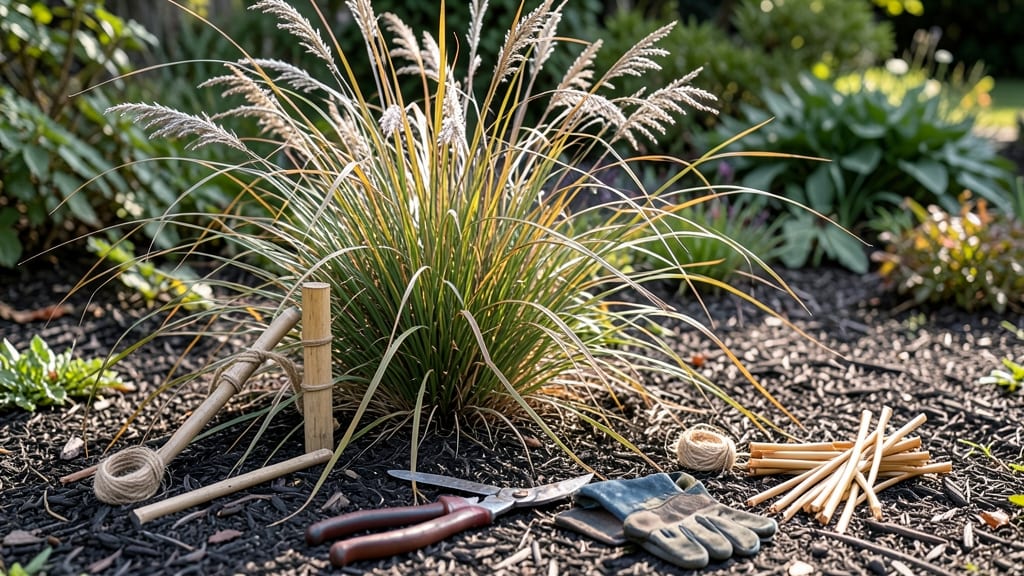
Cutting down ornamental grass wrong can ruin its dramatic flair. ✨ I’ve turned my overgrown clumps into lush, bushy focal points by mastering the right timing and technique—no more sad, brown stalks by mid-summer. The secret? Cutting at the right time and height, not just when it looks messy.
You’ll need sharp pruners or a string trimmer, gloves, and a clear day (wind makes this messy). Most grasses thrive when cut back in late winter or early spring, but some varieties like fountain grass can handle a light trim in fall too.
The key is never cutting more than ⅓ of the plant’s height at once—this prevents shock and encourages thicker regrowth.
After trimming, you’ll see fresh, vibrant shoots within 2-4 weeks, and the plant will fill out fuller than ever. The clippings? Compost them—just avoid letting them smother the base. This method works for feather reed grass, maiden grass, and even those wild, airy varieties that dance in the breeze.
Regional tweaks matter: In warmer climates, a light trim after summer’s last bloom keeps things tidy without stressing the plant. Cold climates? Wait until spring thaw before touching your grasses. Here’s how to do it without a single brown stubble in sight.
📚 In This Guide
- What you need
- Instructions
- Tips and common mistakes
- Wrapping up and next steps
What you need
- ● Heavy-duty pruners or loppers – Choose bypass pruners (for clean cuts) or anvil pruners (for thicker stems). A 10- to 12-inch pair is ideal for most ornamental grasses.
- ● Hedge shears or grass trimmers – Opt for long-handled shears (24+ inches) or a cordless electric trimmer with adjustable height settings for larger clumps.
- ● Pruning saw – A curved-tooth saw (7- to 10-inch blade) for stubborn, thick stalks that pruners can’t handle.
- ● Gloves – Wear cut-resistant, gardening gloves (e.g., mechanics’ gloves or heavy-duty leather) to protect your hands from sharp edges and thorns.
- ● Knee pads or a small stool – For comfort, especially if your grass is tall or the ground is uneven.
- ● Sharpie or permanent marker – To label cut sections if you’re dividing the plant later.
- ● Garden twine or burlap sacks – For bundling and transporting cuttings or debris.
- ● Extension pole for shears – Extends reach for tall grasses (e.g., Miscanthus or Pampas grass).
- ● Wheelbarrow or tarp – For hauling clippings to the compost or trash.
- ● Disinfectant spray (70% isopropyl alcohol) – To clean tools between cuts and prevent disease spread.
- ● Safety glasses – Protects eyes from flying debris, especially when using a trimmer.
- ● Plant food or compost – Refresh the soil after trimming to encourage regrowth.
Step-by-step instructions for cutting down ornamental grass
Here’s my go-to method for trimming ornamental grass that keeps it lush, healthy, and fuller every season.
🪴 Step 1: Gather the Right Tools
You’ll need sharp hedge shears or a string trimmer for clean cuts, and heavy-duty gloves to protect your hands from sharp blades. I always use bypass pruners for thicker clumps—they glide through without crushing stems. Avoid dull tools; they tear grass instead of cutting cleanly, which leads to ragged edges and stress on the plant.
Check the weather too. Trim on a dry, calm day—wet grass sticks to blades, making cuts messy, and wind can blow debris everywhere. If you’re working with tall varieties like maiden grass, a small rake helps gather fallen clippings afterward.
✂️ Step 2: Time Your Cut for Optimal Growth
Cut ornamental grass in late winter or early spring, just as new growth begins. This timing ensures you’re not trimming back last year’s seed heads too early, which can leave the plant looking bare. Look for tender green shoots emerging at the base—those are your cue. Avoid cutting in fall, as it removes winter interest and exposes the plant to cold damage.
If your grass is overgrown or floppy, you can do a gradual trim over two sessions: first cut back one-third of the height, wait a week, then trim the rest. This prevents shock and lets the plant adjust. Never cut into old, woody stems—focus only on the new, pliable growth.
☀️ Step 3: Trim to the Right Height
Leave 2-3 inches of growth at the base for most ornamental grasses. This height encourages bushier regrowth and prevents the plant from looking bare. For varieties like feather reed grass, you can trim slightly lower—about 1-2 inches—since they’re more resilient. Always cut just above a node (the bump where leaves meet the stem) to promote branching.
Step back and visually assess before cutting more. If the grass looks sparse after trimming, you’ve gone too low. A good rule of thumb: never remove more than one-third of the plant’s height at once. Use your shears at a 45-degree angle for a natural, layered look—this mimics how wind shapes the grass naturally.
🌿 Step 4: Clean Up and Maintain
Rake up all clippings to prevent disease and keep your garden tidy. Leaving old growth can harbor pests or fungi, especially in humid climates. I like to compost the trimmings—they break down quickly and add nutrients to the soil. For very large clumps, use a leaf blower to clear debris efficiently without bending over too much.
After trimming, water deeply to help the grass recover. Focus on the base of the plant, where roots are establishing. Avoid heavy watering right after cutting, though—wait until the soil is dry to the touch to prevent rot. Mulch lightly around the base with 2-3 inches of shredded bark to retain moisture and protect new growth.
Tips & tricks for perfect ornamental grass trimming
Real talk: Trimming ornamental grass can make or break its full, healthy look. Here’s what I’ve learned after years of trial and error.
Tool Precision: Sharp tools are non-negotiable—dull blades tear grass instead of cutting cleanly, leaving jagged edges that look unkempt. I’ve ruined three batches of maiden grass by using dull shears, so always check your blades before starting. For thick clumps, bypass pruners are your best friend—they cut through without crushing stems, which keeps the plant healthier. If you don’t have bypass pruners, hedge shears work too, but avoid anything that crushes the stems.
Seasonal Timing Secret: The late winter to early spring window isn’t just ideal—it’s critical. This is when new growth begins, and trimming old seed heads too early leaves your grass looking sparse. I always wait until I see tender green shoots at the base before touching my shears. Pro tip: If your grass is overgrown, split the job into two sessions. First cut back one-third of the height, wait a week, then trim the rest. This gradual approach prevents shock and lets the plant adjust without stress.
Height Matters: Those 2-3 inches at the base aren’t arbitrary—they’re what encourage bushier regrowth. Cut just above a node (the bump where leaves meet the stem) to promote branching. I learned this the hard way by trimming too low one year—my grass looked bare for months. For feather reed grass, you can trim slightly lower (about 1-2 inches), but never go below that unless you’re okay with a sparse look. Step back and visually assess before cutting more; if the grass looks thin after trimming, you’ve gone too low.
Cleanup Wisdom: Leaving clippings on the ground might seem harmless, but they can harbor pests or fungi, especially in humid climates. I compost all my trimmings—they break down quickly and add nutrients back to the soil. For large clumps, a leaf blower saves your back and makes cleanup a breeze. After trimming, wait until the soil is dry to the touch before watering deeply. This prevents rot and helps the plant recover without stress.
Pro Tips for Cut Down Ornamental Grass
- Real talk: Trimming ornamental grass can make or break its full, healthy look.
- Tool Precision: Sharp tools are non-negotiable—dull blades tear grass instead of cutting cleanly, leaving jagged edges that look unkempt.
- Seasonal Timing Secret: The late winter to early spring window isn’t just ideal—it’s critical.
Frequently asked questions
Got questions about trimming ornamental grass? You’re not alone! Here are some of the most common concerns—plus clear, actionable answers to keep your grass looking its best.
When is the best time of year to cut down ornamental grass?
The ideal time depends on your grass type. For warm-season grasses (like maiden grass), trim in late winter or early spring before new growth starts. Cool-season varieties (like fountain grass) should be cut back in late winter or early spring too—but avoid trimming in fall, as it can damage cold-hardy species. Always wait until the ground thaws to avoid harming roots.
How short can I cut ornamental grass without harming it?
Never cut more than one-third of the plant’s height at a time. For most ornamental grasses, aim to leave 6–12 inches of stem (or 3–4 inches for smaller varieties). Cutting too short can expose the crown, making the grass vulnerable to rot, pests, or winter damage. If your grass looks ragged, thin it gradually over 2–3 sessions instead of one aggressive trim.
What if my ornamental grass turns brown after cutting?
Brown tips or patches are normal if you trim at the wrong time or too aggressively. Warm-season grasses may brown in winter (they’re dormant!), while cool-season grasses might react to late cuts. To revive it:
- Wait until spring to see if new growth emerges.
- Avoid fertilizing until you spot fresh green shoots.
- Water lightly if the soil is dry (but don’t overwater—root rot is a risk!).
Can I cut ornamental grass with regular lawnmower blades?
While possible, dedicated grass shears or hedge trimmers work best for precision. Regular mower blades can tear the stems instead of cleanly cutting them, leading to a messy look and potential disease entry points. For thick clumps or tall varieties, a string trimmer with a blade attachment is a great alternative—just be cautious to avoid damaging nearby plants.
How do I clean up and dispose of the clippings?
Ornamental grass clippings can be composted (they break down quickly!) or mulched back into the garden to retain moisture. If your grass has pests (like spider mites or fungus), bag and discard the clippings in sealed trash to prevent spreading. For large volumes, check local regulations—some areas allow yard waste pickup for free or a small fee.
Should I cut ornamental grass before the first frost?
No! Cutting too early can weaken the plant’s winter resilience. Instead, wait until late winter (just before new growth starts) or early spring. The old stems provide insulation for the crown during cold snaps. If you’re in a harsh climate, leave the grass until March or April—patience pays off for a healthier, bushier comeback!
Wrapping up and next steps
Cutting down ornamental grass doesn’t have to be daunting—with the right tools, timing, and technique, you’ll achieve lush, healthy growth that enhances your landscape.
Now that you’re ready to tackle the task, grab your shears and get started! 🌿 For extra tips or inspiration, explore our guides on year-round grass care or designing low-maintenance landscapes. Happy trimming!