
Pests
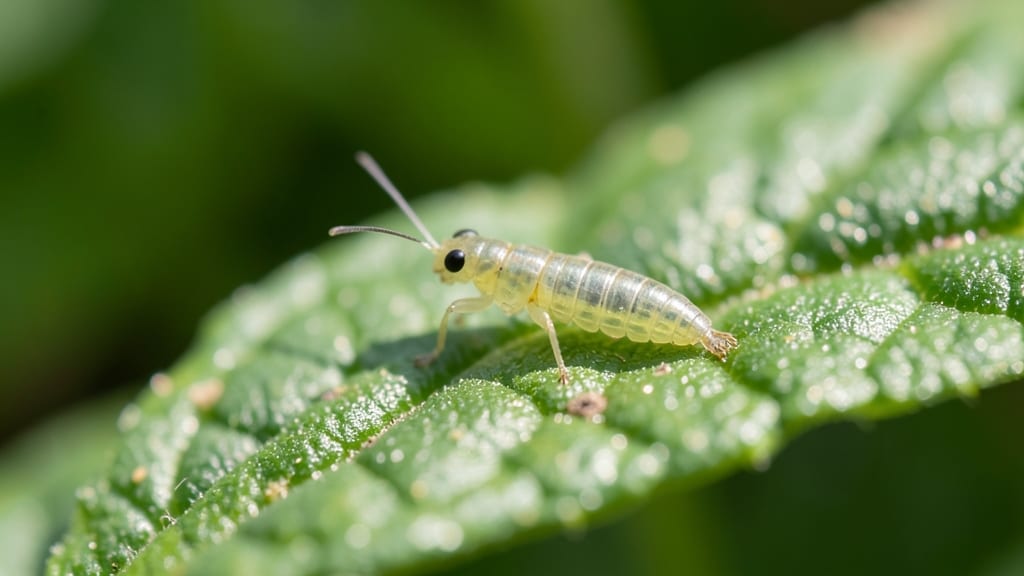
How to get rid of aphids on basil—your sticky, curled leaves are a dead giveaway, and neem oil is the solution that actually works. 🌿 I’ve battled these tiny sap-suckers for years, and it’s not just a quick fix—it’s the game-changer that stops them for good. The secret lies in creating a protective barrier that keeps new infestations at bay while your basil thrives.
Most people grab the first spray they see, but that often kills beneficial insects too. Neem oil disrupts aphids’ life cycle without harming bees or ladybugs—your plant’s natural allies.
You’ll need just 2 teaspoons of neem oil per quart of water, a spray bottle, and a few minutes on a calm morning or evening. The key? Apply it every 7-10 days until the aphids disappear completely.
Within 3-5 days of your first treatment, you’ll see fewer aphids clinging to the leaves, and new growth will emerge clean and vibrant. The oil leaves a faint scent that repels pests while nourishing the plant, so your basil keeps growing strong—no more sticky leaves or wilted stems.
This isn’t just a fix; it’s prevention that lasts.
Works for container basil, patio pots, or garden beds—just adjust the spray coverage for larger plants. If aphids return, it’s usually because the oil dried out too fast. Here’s how to make it stick for good.
Root Causes of Basil Aphids
Aphids on basil aren’t just random pests—they’re drawn by specific conditions that make your plants a buffet. Understanding why they show up helps you fix the problem at its source. Here’s a breakdown of the key factors:
Aphids thrive in dense, tangled basil patches because:
- Limited airflow creates humid microclimates, which aphids love (they prefer 60–80% humidity).
- Shaded leaves (from overcrowding) lack the bitter compounds basil produces under direct sunlight, making it easier for aphids to feed.
- Sap-rich growth from competing stems attracts aphids, which inject saliva to stimulate extra sap production for their own nourishment.
Actionable insight: Prune basil regularly to open up the canopy, ensuring sunlight reaches all leaves. Aim for 6–12 inches of spacing between plants to improve airflow.
Basil’s natural defenses—like trichomes (tiny hair-like structures) and volatile organic compounds (VOCs)—can weaken when: - Nutrient imbalances occur (e.g., too much nitrogen, not enough phosphorus/potassium).
Aphids target stressed plants because their weakened cell walls are easier to pierce. - Pests or diseases (like spider mites or fungal infections) precede aphid infestations, creating a "stress signal" that aphids detect via pheromones. - Drought or overwatering disrupts basil’s ability to produce defensive compounds.
Aphids exploit this by feeding on phloem sap, which becomes more accessible when plants are hydrated but nutrient-starved.
Actionable insight: Use a balanced fertilizer (10-10-10 ratio) and monitor soil moisture—basil prefers consistently moist but not soggy soil.
Aphids don’t randomly choose basil; they’re host-specific and follow these cues: - Young, tender leaves are their favorite because they’re softer and packed with easily accessible sugars. New basil growth in spring or after pruning is a red flag for aphids. - Scent trails from other infested plants.
Aphids release alarm pheromones when threatened, but they also use aggregation pheromones to recruit others to a food source (like your basil). - Honeydew buildup from previous infestations. This sticky residue attracts ant colonies, which farm aphids for their honeydew—creating a vicious cycle.
Actionable insight: Isolate new basil plants until they’re established, and remove any nearby weeds or plants (like dill or fennel) that aphids might use as a "bridge" to your basil.
Aphids are cold-sensitive but boom in specific conditions: - Warm nights (60–75°F) combined with cool days create ideal feeding conditions. Aphids reproduce asexually in these temps, leading to exponential growth. - Lack of natural predators (like ladybugs, lacewings, or parasitic wasps).
If your garden lacks biodiversity, aphids multiply unchecked. - Urban or greenhouse settings with low wind exposure. Aphids are weak fliers and rely on static air to stay put once they land.
Actionable insight: Encourage beneficial insects by planting dill, marigolds, or alyssum nearby. If indoors, use a fan on low to disrupt aphid movement.
Even well-meaning gardening habits can invite aphids: - Transplanting infested plants from nurseries or garden centers. Aphids often hide on undersides of leaves or stems. - Over-fertilizing with nitrogen (e.g., manure or blood meal).
While it boosts growth, it also makes basil softer and more sap-rich, a aphid magnet. - Using broad-spectrum pesticides that kill beneficial insects first, leaving aphids as the dominant pest.
Actionable insight: Inspect new plants under a magnifying glass before adding them to your garden. Opt for slow-release, organic fertilizers to avoid nitrogen spikes.
Key takeaway: Aphids on basil are rarely a coincidence—they’re responding to weakness, opportunity, or environmental cues. By addressing these root causes, you’ll make your basil less appealing and more resilient to future attacks. Next, we’ll cover preventive barriers (like neem oil) to keep them away for good!
Quick Fixes for Basil Aphids
Aphids on your basil can feel like a tiny, sticky nightmare—but don’t let them ruin your harvest! The good news? You can tackle them fast with the right tools and techniques.
Below, we’ve mapped out practical solutions based on the most common causes (overcrowding, weak plants, or outdoor exposure) and paired them with prevention tips to keep your basil thriving. Let’s get your plants back to their pest-free, flavorful best!
Aphids love hiding in dense foliage where they’re protected from predators and sprays. If your basil is packed too tightly, prune aggressively to improve airflow and visibility.
How to Fix It:
- 👨🍳 Snip and Separate: Use clean scissors to trim back overcrowded stems, leaving only the healthiest, most spaced-out leaves. Snip just above a leaf node to encourage new growth.
- 🌱 Repot or Replant: If your basil is in a container, consider thinning it into a larger pot (6+ inches deep) or replanting stems in fresh soil. Aphids struggle to survive in well-spaced, vigorous plants.
- 🔥 Companion Planting: Add marigolds, nasturtiums, or garlic nearby—their strong scents repel aphids naturally.
💡 Pro Tip: If you’re saving cuttings, dip them in neem oil solution (1 tsp neem oil + 1 tsp mild soap per quart of water) before replanting to prevent hitchhiking pests.
Aphids target plants that are nutrient-deficient, under-watered, or heat-stressed. A strong basil plant is less appealing to them—and easier to clean up if they do show up.
How to Fix It:
- 💧 Hydrate Deeply: Water at the base (not the leaves) to avoid fungal issues. Aim for 1–1.5 inches of water per week, adjusting for heat.
- 🍽️ Fertilize Smartly: Use a balanced, organic fertilizer (like fish emulsion or compost tea) every 2–3 weeks. Avoid over-fertilizing with nitrogen—it attracts aphids!
- ☀️ Shield from Stress: If your basil is in direct afternoon sun, provide light shade (a sheer cloth or dappled sunlight) to prevent wilting, which weakens its natural defenses.
🎯 Prevention Hack: Mist basil leaves early in the morning with water to deter aphids—they hate sticky surfaces!
If your basil is outside, aphids arrive via wind, insects, or neighboring plants. A neem oil barrier (like the one in our article title!) is your secret weapon for long-term protection.
How to Fix It:
- 🛡️ Spray Neem Oil Weekly: Mix 1 tbsp neem oil + 1 tsp castile soap per gallon of water. Spray all surfaces (top and bottom of leaves) at dusk to avoid burning plants. Reapply every 7–10 days or after rain.
- 🐞 Introduce Beneficial Bugs: Release ladybugs, lacewings, or parasitic wasps (available at garden centers). They devour aphids and won’t harm your basil.
- 🌿 Isolate New Plants: If you’re adding basil to your garden, quarantine it for 2 weeks before mixing with other herbs to prevent aphid spread.
✨ Bonus: For a natural sticky trap, wrap yellow cardboard around the pot—aphids are attracted to it and get stuck!
If your basil is covered in aphids and looking sad, you’ll need a two-pronged attack: immediate removal + preventive care.
How to Fix It:
- 🚿 Blast Them Off: Hold your basil under a strong stream of water (hose or shower) to dislodge aphids. Repeat daily for 3 days to break their life cycle.
- 🧼 Soap Spray (Emergency Fix): Mix 1 tbsp mild dish soap + 1 quart water in a spray bottle. Test on a leaf first—some plants are sensitive. Spray directly on aphids (avoid flowers if harvesting soon).
- 🔄 Rotate Methods: Alternate between neem oil, insecticidal soap, and beneficial bugs to avoid resistance.
💡 Pro Tip: If your basil is beyond saving, pull it and compost it far from your garden—aphids can reinfest nearby plants!
Once you’ve kicked aphids to the curb, lock them out with these habits:
- 🌱 Plant Basil in Pots: Elevate containers to reduce soil-borne pests and make monitoring easier. - 🍃 Harvest Regularly: Prune flowers and leaves to encourage bushy, aphid-resistant growth. - 🌿 Rotate Crops: If growing basil in the ground, avoid planting in the same spot yearly—aphids remember! - 🌡️ Monitor Weather: Aphids explode in warm, dry conditions.
Keep basil lightly mulched to retain moisture.
Final Thought: Aphids may be persistent, but with consistent care and smart prevention, your basil will bounce back—stronger, greener, and pest-free! 🌿✨
Frequently asked questions
How often should I spray neem oil on my basil?
Apply neem oil every 7-10 days for best results. Start with a 1 tbsp neem oil + 1 tsp castile soap per gallon of water mix, and spray thoroughly on both leaf surfaces. Continue until aphids disappear, then switch to monthly applications as prevention during growing season.
Will dish soap really kill aphids on basil?
Yes, but use it carefully! Mix 1 tbsp mild dish soap + 1 quart water and spray directly on aphids. Test on a small leaf first—some basil varieties are sensitive. This works immediately but may harm beneficial insects, so follow up with neem oil for long-term protection.
Can I still use my basil if aphids are present?
Harvest leaves only if you've thoroughly rinsed them under water first. The aphids themselves aren't harmful, but their honeydew can attract ants and promote fungal growth. For heavy infestations, wait until your treatment shows results (usually 3-5 days
What if aphids keep coming back after treatment?
Persistent aphids usually mean hidden infestations or environmental triggers. Check undersides of leaves and stems, and examine nearby plants. Improve airflow by pruning, reduce nitrogen fertilizer, and introduce ladybugs. If problems continue, your basil may need repotting in fresh soil.
Is neem oil safe for indoor basil?
Neem oil is perfectly safe for indoor basil when used as directed. Just ensure good ventilation while spraying and avoid getting oil on surfaces you might touch. The same 1 tbsp per gallon ratio works indoors, but you may need to apply more frequently due to controlled environments.