
Companion Plants
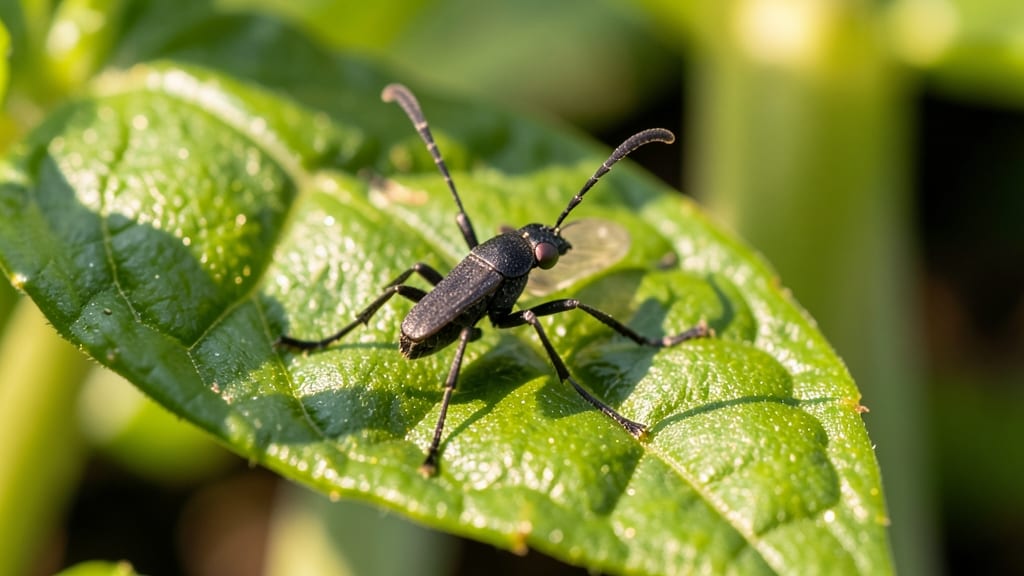
How to keep bugs off basil plants—your glossy leaves shouldn’t turn into a bug buffet. 🌿 I’ve battled aphids, whiteflies, and spider mites on my plants—until I discovered this neem oil barrier that keeps pests away without harming your herbs. The secret lies in prevention, not just reaction.
Most gardeners wait until pests arrive, but basil thrives when you interrupt their life cycle early. Neem oil disrupts feeding and reproduction, while companion plants like marigolds confuse insects with their strong scents.
Even a simple water adjustment (keep soil moist but not soggy) makes basil less appealing to pests.
By week 2 of consistent care, your plants will push out bold new growth with fewer sticky leaves or webbing. The neem spray works best at dusk, when pests are active but beneficial insects aren’t. Prune damaged leaves immediately—they’re pest magnets.
This method works for container gardens, windowsill pots, or in-ground beds. No harsh chemicals, just a simple routine that keeps your basil lush and productive all season. Let’s get those pests packing their bags.
Why it happens
H2: The Real Culprits Behind Basil Bugs
Basil plants may seem like the perfect, low-maintenance herb to grow, but they’re actually a magnet for pests—especially when certain conditions align. Understanding why bugs target your basil is the first step to keeping them at bay.
Below, we break down the science behind the most common invaders and what makes your basil such an appealing buffet.
🌱 Overcrowded Or Stressed Plants
Basil thrives in full sun and well-draining soil, but when it’s cramped or struggling, it sends out distress signals that attract pests. Overcrowding reduces airflow, creating a damp, humid microclimate that’s ideal for aphids and whiteflies.
These insects love weak plants because they’re easier to colonize and feed on. Additionally, stressed basil (from underwatering or overwatering) produces higher sugar levels in its leaves, making it even more attractive to sap-sucking bugs like spider mites.
Why it matters: A healthy basil plant with proper spacing and balanced moisture is far less appealing to pests. Think of it like a buffet—if the food isn’t fresh, guests won’t linger.
🐛 Natural Attraction: Basil’s Sweet Scent
Basil’s fragrant oils—especially eugenol and linalool—are what make it so delicious to humans, but they’re also a beacon for bugs. Aphids and thrips are drawn to these volatile compounds, which they detect from up to several feet away.
Even Japanese beetles (a basil devourer) are lured in by the plant’s aroma, mistaking it for a food source.
Why it matters: While you can’t eliminate the scent entirely, you can disrupt the chemical signals that attract pests—more on that in our prevention tips!
🌡️ Warm, Humid Conditions
Basil loves warmth, but when temperatures rise above 85°F (29°C) and humidity spikes, it becomes a prime target for whiteflies and fungus gnats. These pests thrive in stagnant, moist environments, where they lay eggs in the soil or on the undersides of leaves.
Poor drainage or mulch piled too close to the stem can trap moisture, creating the perfect breeding ground.
Why it matters: Heat and humidity don’t just attract bugs—they also weaken basil’s natural defenses. A plant already struggling with heat stress is more vulnerable to infestations.
🌿 Companion Planting Gone Wrong
While basil pairs well with tomatoes and peppers, poor companion choices can backfire. For example, planting basil near cabbage or brassicas might attract cabbage worms, which will then munch on your basil too.
Additionally, if nearby plants (like marigolds) aren’t pest-repellent enough, they won’t provide the protective barrier basil needs.
Why it matters: The wrong neighbors can turn your garden into a pest paradise. Strategic companion planting is key to keeping bugs off your basil naturally.
🐝 Pollinators vs. Pests: A Delicate Balance
Some "bugs" are actually beneficial pollinators, like ladybugs or hoverflies, which prey on basil pests. However, when their populations are disrupted (by overuse of pesticides or lack of habitat), pest numbers skyrocket.
Basil’s flowers are a magnet for these helpers, but if the ecosystem is out of balance, the pests win.
Why it matters: A thriving garden ecosystem is your best defense. Encouraging pollinators and predators (like lacewings) can keep pest populations in check before they become a problem.
Quick Fixes for Basil Bug Battles
Basil bugs may seem relentless, but with the right strategies, you can reclaim your fragrant, pest-free plants—without harsh chemicals. Below, we’ve mapped common basil pests to targeted solutions, from preventive barriers to organic treatments, plus pro tips to keep your plants thriving. 🌿🛡️
Cause: These sap-sucking pests cluster on undersides of leaves, leaving sticky residue (aphids) or fine webbing (mites). Weak plants or crowded gardens attract them faster. Fix It:1. Blast Them Away (Immediate Relief)
- 🔥 Spray with soapy water: Mix 1 tsp mild dish soap (like Castile) + 1 quart water in a spray bottle. Directly hit infested areas—aphids will drop off within minutes. Repeat every 3–4 days until gone.
- 🌡️ Hose down leaves: A strong stream of water dislodges mites and aphids. Do this in the morning so foliage dries quickly (prevents fungal issues).
2. Trap & Remove (Manual Control)
- 👨🍳 Sticky traps: Place yellow sticky cards near basil plants—aphids and mites are drawn to the color and get trapped. Replace weekly.
- 🔪 Prune heavily infested leaves: Snip off affected foliage and drop it in soapy water (not compost) to kill eggs.
3. Long-Term Defense (Prevention)
- 💡 Neem oil barrier: Spray basil preventatively with neem oil (1 tsp + 1 quart water + drop of dish soap) every 7–10 days. It disrupts pests’ life cycles and repels future infestations.
- ✨ Companion plants: Interplant basil with marigolds or garlic. Their strong scents confuse pests.
1. Smother & Suffocate (Quick Knockdown)
- 🥘 Yellow sticky traps: Hang traps above plants to catch adults mid-flight. Check daily and replace when saturated.
- 🌡️ Row covers: Drape lightweight floating row fabric over basil for 2–3 weeks to block adults from laying eggs.
2. Natural Insecticides (Targeted Strike)
- 🔥 Neem oil + insecticidal soap: Mix 1 tbsp neem oil + 1 tbsp castile soap + 1 quart water. Spray undersides of leaves at dusk (avoids harming bees). Repeat every 5 days.
- 💡 Pyrethrin spray (last resort): Derived from chrysanthemums, this organic spray kills on contact. Use sparingly and only at night to protect pollinators.
3. Prevent Recurrence (Break the Cycle)
- 🌿 Rotate planting: Avoid replanting basil in the same spot yearly—whiteflies overwinter in soil.
- 🎯 Encourage predators: Attract ladybugs and lacewings by planting dill or fennel nearby.
1. Rescue Struggling Plants (Early Action)
- 🔪 Cut out infested stems: Sever and discard affected stems below the damage. Dip pruners in rubbing alcohol between cuts.
- 🌡️ Soak roots in neem solution: Mix 1 tbsp neem oil + 1 gallon water. Submerge basil roots for 10 minutes to kill larvae on contact.
2. Sterilize & Rebuild (Long-Term Fix)
- 💡 Replace contaminated soil: Basil borers thrive in old, organic-rich soil. Repot in fresh, sterile potting mix or solarize existing soil (cover with clear plastic for 4–6 weeks in sun).
- ✨ Use floating row covers: Shield new basil plants with fine mesh to prevent adult moths from laying eggs.
3. Prevention for Future Plants
- 🌿 Buy disease-free starts: Inspect basil plants before purchasing—avoid those with chewed stems or sawdust-like frass (borer poop).
- 🎯 Crop rotation: Never plant basil in the same bed two years in a row.
No matter the pest, these habits will fortify your basil’s defenses:
- 💡 Water at the base: Avoid wetting leaves to reduce fungal diseases and aphid attractants.
- 🌡️ Harvest regularly: Pruning encourages air circulation and deters pests.
- 🎯 Inspect weekly: Flip leaves early in the morning to spot eggs or early infestations.
- ✨ Diversity is key: Plant basil with tomatoes, peppers, or borage to confuse pests and improve plant health.
With these targeted fixes, your basil will stay lush, aromatic, and bug-free—ready for your next pesto or caprese salad! 🍅🧀
Frequently asked questions
How often should I spray neem oil on my basil plants?
Apply neem oil every 7-10 days as a preventive measure, especially during warm weather when pests are most active. For active infestations, spray every 5 days until the problem clears. Always mix with a drop of dish soap to help it stick to leaves.
What are the best companion plants to keep bugs away from basil?
Marigolds, garlic, and chives are excellent choices—their strong scents naturally repel pests. Basil also thrives near tomatoes and peppers, which benefit from its pest-deterring properties too. Avoid planting near cabbage family plants, which attract pests that may target your basil.
Can I use coffee grounds around my basil to deter pests?
Yes! Sprinkle used coffee grounds around the base of your basil plants—they repel many common pests while adding nutrients to the soil. Just keep them 1-2 inches away from stems to prevent mold. Reapply every few weeks or after rain.
Why do my basil leaves develop holes even after treating for pests?
Holes in basil leaves can come from Japanese beetles, slugs, or even harvesting mistakes. Check for chewed edges (beetles) or silvery slime trails (slugs). For beetles, handpick them early in the day. For slugs, use beer traps or diatomaceous earth around plant bases.
Is it safe to use essential oils like peppermint or citrus on basil?
Diluted essential oils can help repel pests, but use with caution. Mix 5 drops of peppermint or citrus oil with 1 quart water and spray lightly on leaves (avoid direct sun exposure). Test on one leaf first—some oils may cause leaf burn. Reapply every 3-4 days.