
Aphids
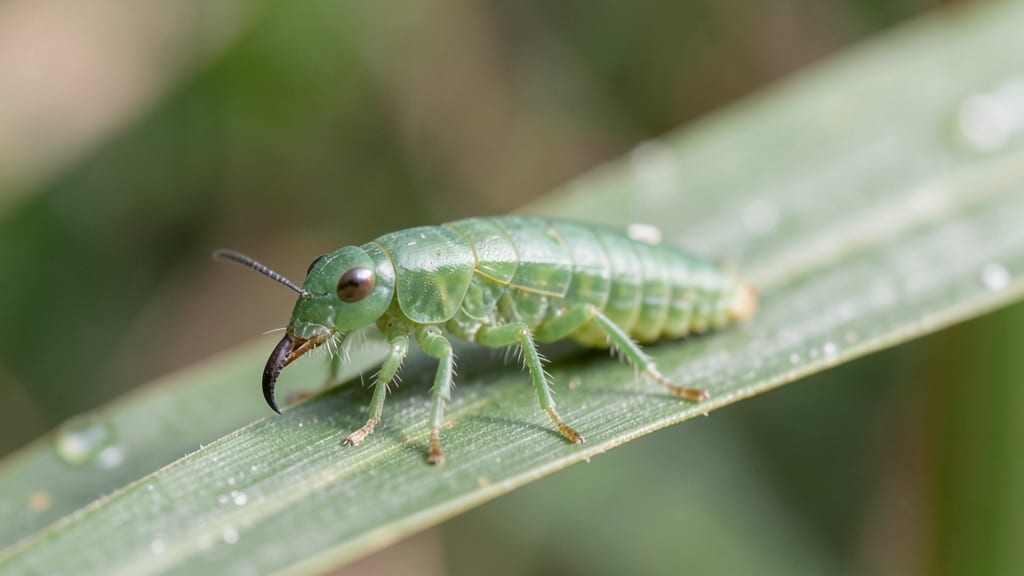
How to get rid of aphids on bamboo—those sticky pests are more than an annoyance; they drain your plant’s energy and spread disease. 🌱 I’ve battled them for years, and neem oil isn’t just a remedy; it’s a game-changer that stops them from coming back. The key is applying it right, at the right time, and knowing when to repeat. Most people spray once and give up, but aphids are persistent. You need a two-step barrier: first, a thorough wash to remove existing pests, then a neem oil treatment that disrupts their life cycle. Within 3-5 days, you’ll see fewer clusters, and after 2 weeks, your bamboo should look noticeably healthier. What makes this work isn’t just the oil—it’s the timing. Treat in the early morning or late evening when bees aren’t active, and repeat every 7-10 days until the infestation clears. The bamboo stays protected while the aphids get confused and move on. This method works for running, clumping, or dwarf bamboo—no harsh chemicals, just a natural shield. Here’s exactly how to do it without harming your plants.
The Hidden Triggers Behind Aphids
Aphids don’t just randomly appear on your bamboo—they’re drawn by specific conditions that turn your plants into their perfect buffet. Understanding these triggers is the first step to stopping them in their tracks. Let’s break down the science behind why these tiny pests invade your bamboo.
Aphids thrive on weak hosts.
When bamboo plants are overcrowded, their leaves and stems become more vulnerable because: - Reduced airflow creates a humid microclimate, which aphids love (they prefer 70–80% humidity). - Competition for nutrients weakens the plant’s defenses, making it easier for aphids to latch on and feed on sap. - Physical stress from overcrowding can trigger the release of volatile organic compounds (VOCs), which signal aphids to migrate toward the plant.
Actionable insight: Prune your bamboo regularly to improve airflow and reduce stress. Aim for 12–18 inches of space between stems for optimal growth.
Aphids are attracted to the high sugar content in bamboo sap, which is their primary food source.
But why does bamboo produce so much sap? - New growth (like tender shoots or fresh leaves) has a higher sugar concentration, making it a prime target. - Damaged or wounded stems (from pruning, pests, or weather) trigger a surge in sap production as the plant tries to heal—aphids detect this chemical change. - Certain bamboo varieties (e.g., Phyllostachys species) naturally produce more sap, making them aphid hotspots.
Actionable insight: Monitor new growth closely and apply neem oil or insecticidal soap to deter aphids before they settle in.
Here’s a sneaky twist: ants farm aphids. They protect these pests in exchange for the sticky honeydew aphids excrete.
How does this play out on bamboo? - Ants herd aphids to specific areas of the plant, creating concentrated infestations. - They block predators (like ladybugs or lacewings) from reaching the aphids, giving the pests a safe haven. - Their presence indicates a severe infestation—if you see ants crawling on bamboo, aphids are likely already there.
Actionable insight: Disrupt the ant-aphid relationship by applying borax or diatomaceous earth to ant trails or using sticky barriers on stems.
Aphids are cold-sensitive but boom in warm, stable conditions.
Here’s why your bamboo might be a target: - Spring and early summer (50–75°F) are ideal for aphid reproduction—they can multiply exponentially in just weeks. - Mild winters allow aphids to survive longer, giving them more time to colonize bamboo before spring. - Greenhouse or indoor bamboo (like Dendrocalamus species) provides a consistent warm environment, making it a year-round aphid haven.
Actionable insight: Introduce beneficial insects (like ladybugs or hoverflies) in early spring to prey on aphids before they explode in population.
Aphids don’t just attack weak plants—they’re also drawn to imbalanced soil conditions:
- Excess nitrogen (from over-fertilizing) makes bamboo grow rapidly but weakens its cell walls, making sap easier to access.
- Lack of phosphorus or potassium stresses the plant, reducing its ability to produce defensive compounds like phenolics (natural aphid repellents).
- Compacted or waterlogged soil limits root growth, further weakening the plant’s resilience.
Actionable insight: Test your soil and amend it with compost or balanced fertilizer (10-10-10 ratio) to strengthen bamboo’s natural defenses.
In a healthy ecosystem, predators like ladybugs, lacewings, and parasitic wasps keep aphid populations in check.
But if your bamboo lacks these allies: - Monoculture gardens (planting only bamboo) reduce biodiversity, leaving aphids unchecked. - Pesticide use (even broad-spectrum ones) can kill beneficial insects faster than aphids. - Urban or isolated environments may have fewer natural predators nearby.
Actionable insight: Plant companion plants like marigolds, dill, or fennel to attract predator insects to your bamboo.
Key takeaway: Aphids on bamboo aren’t random—they’re responding to specific environmental cues. By addressing these triggers (stress, sap, ants, weather, soil, and predators), you can make your bamboo less appealing and more resilient. The next step? Proactive prevention with natural barriers like neem oil. 🌿💪
Practical ways to banish bamboo aphids
If aphids have turned your bamboo into a sticky, sap-sucking disaster, don’t panic—there are effective, eco-friendly ways to reclaim your plants. The key is targeting the root cause while protecting your bamboo’s health.
Below, we break down solutions by the most common triggers, so you can act fast and keep those pests at bay for good.
Aphids love weak, crowded plants because they’re easier to exploit. If your bamboo is struggling, it’s time to give it a fighting chance.
🔥 Prune for Better Airflow
Thick, tangled bamboo creates the perfect hiding spot for aphids. Thin out dense growth to improve airflow and sunlight penetration.
- 👨🍳 Step 1: Use clean, sharp pruners to trim back overgrown stems by one-third.
- 🌿 Step 2: Remove any yellowed or dead leaves—they attract pests.
- ⏰ Frequency: Prune in early spring before aphids peak.
💡 Fertilize for Strength
Weak bamboo is aphid bait. A balanced fertilizer (high in nitrogen for foliage growth) can help your plant bounce back.
- 📊 Best Options:
- Slow-release organic fertilizer (like fish emulsion or compost)
- Balanced NPK (10-10-10) for general health
- ⚠️ Warning: Avoid over-fertilizing—aphids thrive on overly soft, new growth.
🌡️ Water Wisely
Aphids adore damp, stressed plants. Overwatering or inconsistent moisture weakens bamboo, making it a buffet.
- 💧 Do: Water at the base (not leaves) in the morning for even moisture.
- 🚫 Don’t: Let soil stay soggy—aphids love fungal-friendly conditions.
If aphids have already moved in, you’ll need a two-pronged approach: remove them physically and disrupt their life cycle.
🔪 Manual Removal (Best for Small Outbreaks)
For a light infestation, a little elbow grease can work wonders.
- 👩🍳 Step 1: Spray aphids off with a strong stream of water (early morning works best).
- 🪒 Step 2: Wipe leaves with a damp cloth or soapy water (1 tsp mild dish soap per quart of water).
- 🕷️ Step 3: Crush eggs or nymphs on stems with your fingers (gross but effective!).
🍳 Neem Oil Barrier (Prevents Reinvasion)
Neem oil doesn’t just kill aphids—it disrupts their ability to reproduce, making it a powerhouse for long-term control.
- 🛡️ How to Apply:
- Mix 1 tbsp neem oil + 1 tsp mild soap per gallon of water.
- Spray undiluted on stems and undersides of leaves (aphids hide there!).
- Reapply every 7–10 days or after rain.
- ✨ Pro Tip: Apply in the evening to avoid harming bees.
🐞 Introduce Natural Predators
Let nature do the dirty work! Ladybugs, lacewings, and parasitic wasps love aphids. Buy or attract them:
- 🛒 Buy: Ladybug larvae or lacewing eggs from garden centers.
- 🌼 Plant Companions: Marigolds, dill, and fennel lure beneficial insects.
- 🚫 Avoid Pesticides: Chemical sprays kill predators too—stick to organic methods.
The best defense is a consistent routine. Here’s how to aphid-proof your bamboo:
🌿 Regular Inspections
Catch infestations early by checking bamboo weekly, especially on:
- New growth
- Undersides of leaves
- Stems and joints
🍯 Homemade Sprays (Use Rotating Scents)
Aphids hate garlic, chili, and citrus. Rotate these sprays every few weeks to confuse them:
| Spray | Recipe | Application |
|---|---|---|
| Garlic-Citrus Spray | Blend 3 garlic cloves + 1 citrus peel in 1 quart water. Strain and add 1 tsp soap. | Spray every 2 weeks. |
| Chili Pepper Spray | Mix 2 tbsp cayenne pepper + 1 tsp soap in 1 gallon water. | Reapply after rain. |
🌡️ Mulch Strategically
Aphids love dry, cracked soil. Mulch with:
- Straw or wood chips (keeps soil moist and cool)
- Avoid thick layers—too much mulch can suffocate roots.
🚫 Quarantine New Plants
Before adding new bamboo to your garden, isolate it for 2 weeks and inspect for pests. Aphids can hitchhike on leaves or stems!
Remember: Consistency is key. Aphids reproduce fast, so combine pruning + neem oil + predator support for the best results. With these steps, your bamboo will be aphid-free in no time—and you’ll enjoy lush, healthy growth all season long! 🌿💚
Frequently asked questions
Why do aphids keep coming back after I treat my bamboo?
Aphids are persistent because they reproduce quickly and can reinfest from nearby plants or eggs hidden on your bamboo. To break the cycle, treat every 7-10 days for at least 3 weeks, focus on undersides of leaves where eggs hide, and address ant trails (they protect aphids). Neem oil works best when combined with pruning to improve airflow.
Is neem oil safe for all types of bamboo?
Yes, neem oil is safe for running, clumping, and dwarf bamboo when used correctly. However, avoid applying it during hot midday sun (can cause leaf burn) and always dilute it with water and a tiny bit of soap. Test on a small area first if your bamboo has sensitive leaves. Organic neem oil is the safest choice.
Can I use insecticidal soap on bamboo instead of neem oil?
Insecticidal soap is another effective option, especially for light infestations. Mix 1 tablespoon mild castile soap per quart of water and spray directly on aphids. Reapply every 3-5 days until they're gone. Unlike neem oil, it doesn't disrupt aphid reproduction, so you may need more frequent applications.
What should I do if my bamboo leaves turn yellow after treatment?
Yellowing leaves usually mean your bamboo is stressed from over-treatment or underlying issues. First, check if you're using too much soap or neem oil—rinse the plant with water if needed. Also verify your bamboo isn't overwatered or nutrient-deficient. If the problem persists, reduce treatment frequency to every 10-14 days and focus on improving soil health with compost.
How do I know if my bamboo has a severe aphid infestation?
Look for these warning signs: sticky residue (honeydew) on leaves, black sooty mold (fungus fed by honeydew), ants farming aphids, and new growth curling or wilting. If you see these plus aphids on more than 30% of leaves, you likely need a combination of manual removal, neem oil, and introducing ladybugs for faster control.