
How To
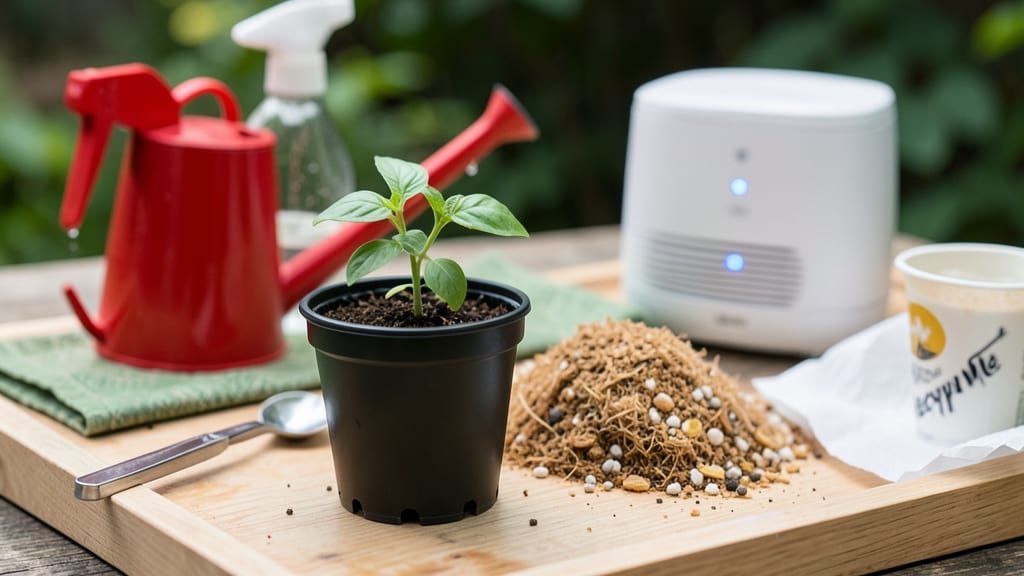
How to fix an overwatered seedling isn’t a death sentence—they’re fixable. 🌱 I’ve pulled plants back from the brink of rot with these three steps, and you can too. The key is acting fast before the roots turn to mush, then giving your plant the right conditions to bounce back.
First, stop watering immediately and check the roots—if they’re black or smell sour, trim away the damaged parts with clean scissors. Then, repot in fresh, well-draining soil and a container with drainage holes. Most overwatered seedlings need 2-3 days to dry out before you water lightly again.
You’ll see new growth in 7-14 days if the roots are still alive. Keep the soil slightly moist (not soggy) and place the pot in bright, indirect light. For fussy plants like ferns or impatiens, reduce humidity around them to speed recovery.
Prevent future mishaps by watering only when the top inch of soil feels dry and choosing pots with at least one drainage hole. Even experienced gardeners overwater—this method saves more seedlings than you’d think.
Root Causes of Overwatered Seedlings
Overwatering seedlings is a common mistake, but understanding the science behind it helps prevent future mishaps. Here’s why your seedlings might be drowning in too much water:
Seedlings suffer when excess water pools at the roots, cutting off oxygen and suffocating them.
This often happens because: - Compacted or dense soil: Heavy, clay-like mixes trap water instead of allowing it to drain. - Small or shallow pots: Limited space means water has nowhere to escape, leading to saturation. - No drainage holes: If your container lacks holes, water accumulates, creating a soggy, anaerobic environment.
Actionable insight: Use well-draining soil mixes (like 60% potting soil + 30% perlite + 10% vermiculite) and always opt for pots with drainage holes.
Even with good soil, watering too frequently or in large amounts can drown seedlings.
Key triggers include: - Ignoring soil moisture: Sticking your finger 1–2 inches into the soil tells you if it’s damp (wait to water) or dry (time to hydrate). - Watering on a schedule: Seedlings need water when they need it, not on a fixed calendar. - Top-heavy watering: Pouring water directly over leaves can cause fungal issues while oversaturating the roots below.
Actionable insight: Water only when the top inch of soil feels dry, and use a spray bottle or gentle stream to avoid runoff.
Humidity, temperature, and airflow play a huge role in how quickly seedlings absorb water.
Common environmental culprits: - High humidity: Traps moisture around seedlings, slowing evaporation and keeping roots wet longer. - Cold temperatures: Slows root activity, making seedlings less efficient at processing excess water. - Lack of airflow: Stagnant air (e.g., in sealed propagators) prevents moisture from evaporating, keeping soil soggy.
Actionable insight: Use a small fan on low setting (24/7) to improve airflow, and avoid placing seedlings in enclosed spaces without ventilation.
When seedlings are recently transplanted, their roots are fragile and struggle to adapt.
Overwatering at this stage: - Delays root establishment: New roots need time to grow into the soil; too much water can suffocate them before they anchor. - Washes away nutrients: Excess water leaches essential minerals (like nitrogen and phosphorus) from the root zone.
Actionable insight: After transplanting, water lightly and monitor closely. Wait until the soil is slightly dry before watering again.
Overwatered seedlings are prime targets for pathogens like Pythium or Fusarium, which thrive in wet conditions.
Signs include: - Mushy, black stems: A classic sign of root rot. - Yellowing leaves: Often paired with stunted growth. - White mold or fuzz: Indicates fungal growth on soil or stems.
Actionable insight: Sterilize tools, use fungicide (like neem oil or hydrogen peroxide solution), and ensure pots are clean between uses.
Not all soils are created equal. Heavy, water-retentive mixes (like garden soil) can hold too much moisture, while lightweight mixes (like pure coconut coir) may dry out too fast—but both can backfire if misused.
Key issues: - Too much organic matter: Decomposing materials (like compost) can heat up and compact, reducing drainage. - Lack of amendments: Without perlite or sand, soil becomes dense and waterlogged.
Actionable insight: Test your soil’s moisture retention by squeezing a handful—it should crumble slightly when dry but not stay clumpy when wet. Adjust with amendments as needed.
Fixing Overwatered Seedlings Step by Step
Overwatered seedlings may look sad, but with the right care, they can bounce back stronger than ever! The key is acting fast to prevent root rot and giving your plants the chance to recover.
Below are practical, step-by-step solutions tailored to the most common causes of overwatering—plus tips to keep your seedlings thriving long-term.
Before diving into fixes, check how severe the overwatering is:
- Yellowing leaves? Likely from root stress (early stage).
- Mushy, black stems or wilting? Root rot is setting in (urgent action needed).
- Damp soil that smells sour? Fungal growth may be present.
Pro Tip: 💡 Gently tug on the seedling—if it pulls out easily, roots are rotting and may not recover.
🔥 For Potted Seedlings:
- Remove from the container and place the root ball on a paper towel or clean cloth to absorb moisture.
- Pat dry the roots gently (don’t rub—be delicate!).
- Repot in fresh, dry soil using a container with drainage holes (if not already present).
- Hold off on watering for 3–5 days to let roots recover.
🌧️ For Garden Seedlings:
- Stop watering the area completely for 24–48 hours.
- Loosen compacted soil around the base with a fork to improve airflow.
- Mulch lightly (1 inch of straw or coconut coir) to prevent future moisture buildup.
If roots are mushy or leaves are brown/slimy:
- 🔪 Snip off blackened or mushy roots with sterilized scissors (healthy roots are firm and white).
- 🍃 Prune yellow/brown leaves to redirect energy to recovery.
- 🌡️ Let the cuttings dry for 1–2 hours before replanting to prevent infection.
Pro Tip: ✨ If >50% of roots are rotten, the seedling may not survive—but try it anyway! Sometimes stubborn plants pull through.
Prevention is key! Here’s how to avoid overwatering again: | Cause | Fix | Prevention Tip | |-------------------------|--------------------------------------------------------------------------|------------------------------------------------------------------------------------| | Poor drainage | Use pots with holes + saucers (empty saucers after watering). | 💡 Test your soil: Press it—if it stays clumped, it’s too wet.
Aim for "damp sponge" consistency. | | Overcrowded trays | Space seedlings 1–2 inches apart for airflow. | ✨ Upgrade containers: Use individual pots or seedling trays with dividers. | | Inconsistent routine| Water only when the top inch of soil is dry (stick your finger in!). | 🎯 Morning watering: Wet soil evaporates faster in daylight, reducing rot risk. | | Heavy clay soil | Mix in perlite or sand (20% of soil volume) to improve drainage. | 🌱 Raise beds: Elevate containers to avoid water pooling at the base. |
If you spot black spots or mold, act fast:
- Spray with hydrogen peroxide (3%) (1 part peroxide to 4 parts water) to kill fungi.
- Apply a fungicide like neem oil or copper fungicide (follow label instructions).
- Avoid watering overhead for 3–5 days post-treatment.
Pro Tip: 🔥 Baking soda spray (1 tsp baking soda + 1 quart water + drop of soap) can also help prevent fungal growth.
- Place seedlings in bright, indirect light (no direct sun yet—they’re recovering!).
- Use a humidity dome (without water inside) to retain moisture while roots heal.
- Fertilize lightly (half-strength balanced fertilizer) only after 1–2 weeks of stable growth.
- Mild cases: 3–7 days (new growth in 1–2 weeks).
- Severe rot: 2–3 weeks (or may not recover—don’t give up too soon!).
- Prevent relapse: Stick to the finger-test watering method and check drainage weekly.
Remember: Overwatered seedlings are like a soggy sponge—they just need time to dry out and a little TLC to bounce back. Follow these steps, and your green thumbs will be back in action in no time! 🌱💚
Frequently asked questions
How do I know if my seedling is overwatered or underwatered?
Check the soil and plant: Overwatered seedlings have yellowing leaves, mushy stems, and soil that smells sour or stays damp for days. Underwatered ones have dry, crispy leaves and soil that pulls away from the pot edges. Gently tug the seedling—if it slides out easily, roots are rotting from overwatering.
Can I save a seedling with completely black roots?
It depends! If more than 50% of the roots are black and mushy, recovery is unlikely. Try trimming all black roots, drying the remaining healthy ones for 1-2 hours, and repotting in fresh soil—but expect a 50% chance of survival. For less than 50% rot, follow the drying/replanting steps and monitor closely.
What's the fastest way to dry out overwatered seedlings?
Remove the seedling from its pot and place the root ball on a paper towel in a warm, shady spot for 2-3 hours. Use a small fan on low to speed evaporation. For potted plants, switch to a terracotta pot (absorbs moisture) and avoid saucers. Most seedlings stabilize within 24 hours of proper drying.
Should I use hydrogen peroxide on my overwatered seedling?
Yes! Mix 1 part 3% hydrogen peroxide with 4 parts water and spray the soil and leaves to kill fungi. For severe cases, repeat every 3-4 days until new growth appears. Avoid overusing it—once a week is plenty. This works better than baking soda for fungal prevention after overwatering.
How often should I water seedlings after fixing overwatering?
Wait 3-5 days before watering again, then use the finger test: Stick your finger 1 inch into soil—water only when it feels dry. For the first week post-recovery, water lightly in the morning to prevent evening moisture buildup. Most seedlings need water every 5-7 days once stabilized.