
How To
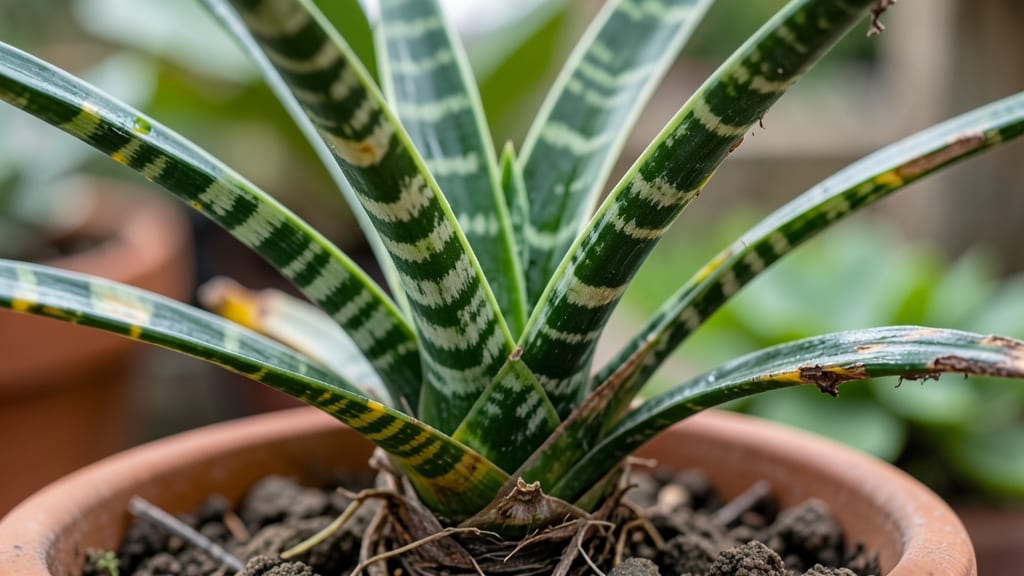
How to fix an overwatered snake plant starts with recognizing the signs—drooping leaves don’t mean it’s dead, just thirsty for air. 🌱 I’ve nursed more overwatered snake plants back to life than I’d like to admit, and the secret starts with stopping the water first. Those mushy stems and yellow tips? Classic signs your plant’s roots are drowning in soggy soil, and the good news is they can bounce back with the right care.
First, yank it out of that waterlogged pot and give the roots a good inspection. Healthy roots should be firm and white; black, mushy roots need to be trimmed away with clean scissors.
Repot in fresh, well-draining soil—snake plants hate sitting in wetness—and choose a container with drainage holes. After repotting, wait until the top 2-3 inches of soil are completely dry before watering again.
Now comes the hard part: patience. Snake plants are survivors, but they need time to recover. Place your plant in bright, indirect light and resist the urge to water it again for at least 1-2 weeks.
You’ll start seeing new growth within 4-6 weeks, and those crisp, upright leaves will return—proof that even the most neglected plants can make a comeback.
To keep this from happening again, switch to a watering schedule that matches your snake plant’s desert roots. Stick your finger 1-2 inches into the soil before watering—if it’s dry, it’s time.
And always use a pot with drainage to let excess water escape. Trust me, your plant will thank you with years of low-maintenance, air-purifying beauty.
📚 In This Guide
- What you need
- Instructions
- Tips and common mistakes
- Wrapping up and next steps
What you need
- ● Well-draining potting mix: 2–3 gallons (or enough to refill the pot). Look for a mix labeled for succulents or cacti—it should contain perlite, pumice, or sand for aeration.
- ● Clean, breathable pot: 1–2 inches larger than the current pot (if repotting). Ensure it has drainage holes—no exceptions!
- ○ Gloves (optional but recommended): A pair of disposable or garden gloves to protect your hands from soil and potential root rot bacteria.
- ● Pruning shears or clean scissors: Sharp and sterilized (rubbing alcohol works) to trim damaged roots or leaves.
- ● Watering can or spray bottle: With a narrow spout for precise watering—no drenching allowed!
- ● Newspaper or paper towels: For blotting excess moisture or creating a temporary drying mat.
- ○ Rooting hormone (optional but helpful): A small tube of fast-acting rooting gel or powder to encourage healthy regrowth.
- ● Hydrogen peroxide (3% solution): 1–2 tablespoons mixed with water for a gentle root soak to prevent bacterial infections.
- ● Cactus/succulent fertilizer: A balanced, diluted dose (half-strength) to nourish the plant post-recovery.
- ● Moisture meter: To check soil moisture levels before watering again—no guessing!
- ● Peat moss or coconut coir: For amending heavy soil if repotting.
Step-by-Step instructions for reviving an overwatered snake plant
Here's how I rescue soggy snake plants—no leaves lost, just crispy roots replaced.
🪴 Step 1: Remove the Plant and Inspect the Roots
Gently slide your snake plant out of its pot and give the roots a thorough rinse under lukewarm water. Overwatered roots turn black, mushy, and smell foul—like rotten eggs or wet socks. Healthy roots should be firm, white, or tan. If you see more brown than green, don't panic—this is the first step toward revival.
Use a clean pair of scissors or pruning shears to trim away all the black, mushy roots. Cut back to the healthy, firm sections only. You might lose half the root system, but the plant will regrow new roots faster than you think. I always sanitize my tools with rubbing alcohol first to prevent infections from spreading.
💧 Step 2: Repot in Fresh, Well-Draining Soil
Fill a clean pot—preferably one with drainage holes—with a well-draining mix of cactus/succulent soil (or regular potting soil mixed with 30-40% perlite or pumice). Snake plants hate soggy feet, so avoid garden soil or anything that compacts easily. The new pot should be just slightly larger than the root ball—no need to upgrade sizes unless you're repotting a mature plant.
Place the trimmed plant in the center of the pot and fill around the roots with your fresh mix, pressing lightly to eliminate air pockets. Leave about ½ inch of space between the soil surface and the pot's rim. This gap helps prevent overwatering during the recovery phase. Water lightly only if the soil feels bone-dry after planting.
☀️ Step 3: Adjust Watering and Light Conditions
Snake plants need bright, indirect light to recover, but avoid harsh midday sun for the first 2-3 weeks. A north or east-facing window is ideal. If you notice leaves yellowing or wilting, move the plant closer to the light—it’s struggling to photosynthesize enough to heal. You’ll see new growth in 4-6 weeks if the roots are healthy enough.
Wait 7-10 days before watering again. Stick your finger 1-2 inches deep into the soil—if it feels dry, give the plant a deep but gentle watering until water drains freely from the bottom. After that, water only when the top 3-4 inches of soil are completely dry. Overwatering is the enemy here, so err on the side of underwatering during recovery.
✂️ Step 4: Monitor and Prune Damaged Leaves
Check the leaves weekly for signs of stress. If any leaves turn completely black or feel mushy, trim them off at the base with clean scissors. Healthy leaves may develop brown tips—this is normal as the plant recovers. Don’t remove these unless they’re crispy or falling off. The plant is redirecting energy to root regrowth, not leaf maintenance.
If you see new growth emerging from the base, that’s a great sign—your snake plant is healing! Avoid fertilizing for the first 6-8 weeks, as the roots need time to establish before absorbing nutrients. Once you spot 2-3 inches of fresh growth, you can resume light feeding with a balanced, diluted fertilizer (half-strength) every 4-6 weeks.
Tips & tricks for reviving an overwatered snake plant
Took me years to figure out these key steps—now your snake plant can bounce back from soggy roots without losing a single leaf.
Root Inspection: When you're trimming those mushy roots in Step 1, don't be afraid to cut back more aggressively than you think you should. I've seen plants with only 20% healthy roots still recover beautifully because snake plants are tougher than they look. The key is removing every last bit of black, mushy tissue—no half-measures here.
Soil Mix Strategy: For Step 2, if you don't have cactus/succulent soil on hand, mix regular potting soil with 50% perlite or coarse sand instead of the suggested 30-40%. The extra grit prevents compaction and mimics the plant's natural dry environment. I've had great success with this mix even for mature plants.
Light Positioning: In Step 3, if your only window gets harsh afternoon sun, place the plant about 3 feet away from the glass during those peak hours (11 AM-3 PM). The indirect light is what matters most during recovery—you'll notice new growth appears faster when leaves aren't stressed by direct sunlight.
Watering Test: After your 7-10 day waiting period, test soil moisture by pressing your finger 2 inches deep—this is deeper than the instructions suggest because snake plants store water in their leaves. If it feels damp at this depth, wait another 3-4 days before watering again. This prevents the exact overwatering that got you here in the first place.
Pro Tips for Fix An Overwatered Snake Plant
- Took me years to figure out these key steps—now your snake plant can bounce back from soggy roots without losing a single leaf.
- Root Inspection: When you're trimming those mushy roots in Step 1, don't be afraid to cut back more aggressively than you think you should.
- Soil Mix Strategy: For Step 2, if you don't have cactus/succulent soil on hand, mix regular potting soil with 50% perlite or coarse sand instead of the suggested 30-40%.
Frequently asked questions
Got questions about reviving your soggy snake plant? You’re not alone—overwatering is a common struggle, but these answers will help you bounce back! Here’s what you need to know:
How do I know if my snake plant is overwatered vs. underwatered?
Overwatered snake plants show soft, mushy leaves that may turn yellow or brown at the edges, while the soil smells foul or stays soggy. Underwatered plants have crispy, dry brown tips and wrinkled leaves. Stick your finger 1–2 inches into the soil: if it’s damp, hold off on watering!
How long does it take for an overwatered snake plant to recover?
Recovery time varies, but with proper care (like repotting and adjusting watering), you’ll see improvement in 2–4 weeks. Focus on drying out the roots first—patience is key! Monitor progress weekly, and avoid watering until the top 2–3 inches of soil are bone-dry.
Can I save a snake plant with root rot?
Yes! Act fast by trimming away mushy roots (use sterilized scissors) and repotting in fresh, well-draining soil. If the rot is severe, your plant may need time to regrow from surviving rhizomes. Prevention tip: Always use pots with drainage holes and avoid saucers that trap moisture.
How often should I water a snake plant after fixing overwatering?
Once recovered, water your snake plant every 2–3 weeks (or when the soil is completely dry). These drought-tolerant plants thrive on neglect—underwatering is safer than overwatering. Use the "finger test" to check moisture levels before watering again.
What’s the best soil mix to prevent future overwatering?
Snake plants need fast-draining, aerated soil. Mix cactus/succulent soil with perlite or pumice (50/50 ratio) to improve drainage. Add a handful of orchid bark or coarse sand for extra airflow. Avoid heavy garden soil—it retains too much moisture!
Wrapping up and next steps
Reviving an overwatered snake plant is totally doable—even if it feels overwhelming at first! 🌱 The key is acting fast, adjusting your care routine, and giving your plant the space it needs to bounce back. With patience and the right steps, you’ll see those resilient leaves perking up again.
Now that you’re armed with the know-how, take action today. Check your plant’s roots, trim what’s necessary, and adjust your watering schedule. Soon, your snake plant will be thriving—and you’ll be proud of your green thumb! 🌟