
Succulent
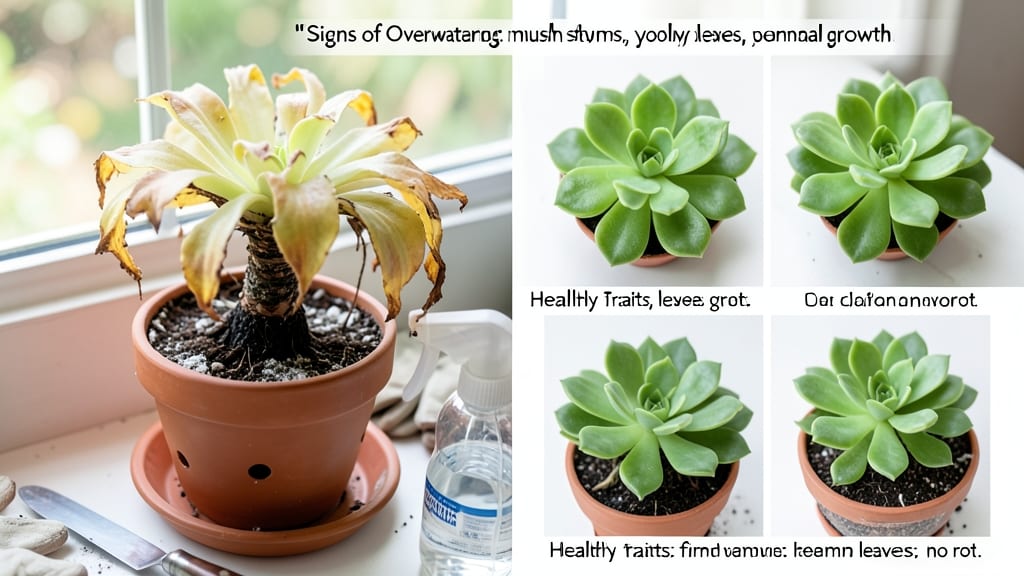
How to fix an overwatered succulent might look like a sad, mushy mess—but it’s not too late to save it. 🌱 We’ve nursed back dozens of these plants, and the key is acting fast to drain excess water, trim the damage, and adjust care before rot sets in. The good news? With the right moves, you’ll see fresh, plump growth within days.
First, stop watering immediately and move the plant to a bright spot with good airflow. Gently remove it from its pot to check the roots—healthy ones are firm and white, while mushy or black roots need trimming.
Use a clean knife or scissors to snip away the bad parts, then let the plant dry out completely for 24 hours before repotting in fresh, well-draining soil.
Once revived, the real game-changer is your watering routine: wait until the soil is bone-dry before adding moisture again. Choose a pot with drainage holes and a mix designed for succulents—this combo keeps roots happy and prevents future soggy soil.
Within a week, you’ll spot new growth signaling your plant’s comeback.
To keep it thriving long-term, check the soil with your finger before watering (yes, we’re serious about this habit). And here’s the secret weapon: group your succulents together—they love the dry air their neighbors create. With these tweaks, your plant will bounce back faster than you’d expect.
📚 In This Guide
- What you need
- Instructions
- Tips and common mistakes
- Wrapping up and next steps
What you need
- ● Well-draining potting mix: A cactus or succulent-specific mix (avoid regular soil—look for blends with perlite, pumice, or sand). Quantity: Enough to fill the pot (about 2–3 cups for a 6-inch pot).
- ● Clean container: A pot with drainage holes (if repotting). Size: Slightly larger than the current one (1–2 inches wider).
- ○ Gloves (optional but recommended): To protect your hands from sharp succulent edges or soil bacteria.
- ● Sharp, sterilized pruners or scissors: For trimming mushy or rotted leaves/stems. Tip: Wipe with rubbing alcohol before use!
- ○ Fungicide (optional but helpful): A copper-based or hydrogen peroxide solution (3%) to prevent mold/fungal growth. Mix: 1 part fungicide to 10 parts water.
- ● Spray bottle: For lightly misting (if humidity control is needed during recovery).
- ● Paper towels or clean cloth: To pat dry roots or wipe away excess moisture.
- ● Patience: Succulents need time to dry out and heal—don’t rush the process!
- ● A sunny spot: Indirect light (like a windowsill) to encourage evaporation and recovery.
- ● Knowledge of your succulent: Identify if it’s a stem-based (e.g., snake plant) or leaf-based (e.g., echeveria) type for tailored trimming.
- ● Rooting hormone: To boost regrowth if you propagate healthy cuttings.
- ● Gravel or pebbles: For a decorative, extra-draining layer at the pot’s bottom.
- ● Humidity tray (with rocks): If your home is very dry, to maintain slight moisture around the plant.
- ● Camera: Snap progress photos—it’s rewarding to see the comeback!
Step-by-Step instructions for reviving an overwatered succulent
Here’s how I’ve saved dozens of soggy succulents—just follow these quick steps to dry out roots and coax new growth.
💧 Step 1: Remove and Inspect the Plant
Gently pull the succulent from its pot and shake off excess soil to reveal the roots. You’ll see two signs of overwatering: black, mushy roots (dead) and a soft, squishy base (rotten). If the stem feels hollow when pressed, it’s beyond saving—but if it’s still firm, we can revive it.
Use clean, sharp scissors to trim away all black, mushy roots and any brown, wrinkled leaves. Healthy roots should be white or tan and firm to the touch. Don’t stress over losing leaves—succulents regrow quickly once the rot is gone.
✂️ Step 2: Let It Dry Completely
Place the trimmed plant in a dry, shaded spot for 24 hours to let any remaining moisture evaporate. I like to set it on a paper towel to absorb excess water. Avoid direct sun—this isn’t about baking the plant, just drying it out.
Check the cut surfaces after 12 hours. If they’re still damp, let it dry another 12 hours. The goal is for the base to feel dry and slightly wrinkled—this signals it’s ready for repotting. Skipping this step risks reinfecting the roots with mold.
🪴 Step 3: Repot in Fresh, Dry Soil
Use a clean pot with drainage holes—terracotta works best because it wicks away moisture. Fill the bottom with a layer of perlite or coarse sand (about 1 inch deep) to improve drainage. This prevents future soggy soil.
Add a small amount of cactus/succulent mix to the pot, just enough to support the plant’s base. Press lightly so it sits securely but doesn’t sink too deep. Water only if the soil feels bone-dry—no splashing! Overwatering again now undoes all our work.
☀️ Step 4: Adjust Watering and Light
Wait 5-7 days before watering again. In the meantime, place the plant in bright, indirect light—a south-facing window with sheer curtains works well. Direct sun now can scorch the stressed plant, while too little light slows recovery.
When you do water, soak the soil until it runs out the drainage hole, then let it dry completely before watering again. You’ll know it’s healed when new growth appears at the base—usually within 2-4 weeks. Patience here is key.
Tips & tricks for perfectly reviving your overwatered succulent
Real talk: I’ve nursed back more than a few "dead" succulents that were just drowning in their own pots. These tricks will help you spot the signs early and give your plant the second chance it deserves.
The Root Check: When you’re inspecting those roots in Step 1, don’t just look—feel! Healthy roots should snap with a slight resistance when gently bent. If they feel mushy like overcooked pasta, they’re gone. I’ve saved plants where only 20% of roots were healthy—sometimes that’s all you need. The key is removing every last bit of rot, even if it means sacrificing some leaves. Those leaves will grow back faster than you think!
Drying Strategy: That 24-hour drying period in Step 2 is non-negotiable, but here’s the secret: Use a fan on low setting pointed at your plant for the first 12 hours. The gentle airflow speeds up evaporation without stressing the plant. Just keep it out of direct sun—this isn’t about creating a sauna, it’s about gradual drying. I once tried baking mine in the sun to "speed things up" and ended up crisping the edges. Oops!
Soil Upgrade: For Step 3, skip the cheap potting mix—it holds too much moisture. I mix my cactus/succulent soil with an extra 20% perlite or pumice. This creates tiny air pockets that prevent future soggy soil. Pro tip: Tap the pot gently after repotting to settle the soil—this prevents air pockets that could trap moisture against the roots. Think of it like giving your plant a breathable foundation.
Light Transition: That bright, indirect light in Step 4 is crucial, but here’s how to test if your plant is ready: After 5-7 days, move it to indirect light for just 2 hours. If no leaves turn yellow or crisp, you can gradually increase exposure. I’ve seen plants that needed 3 weeks of gentle light before handling full sun again. Patience here prevents sunburn on already-stressed leaves.
Pro Tips for Fix An Overwatered Succulent
- Real talk: I’ve nursed back more than a few "dead" succulents that were just drowning in their own pots.
- The Root Check: When you’re inspecting those roots in Step 1, don’t just look—feel!
- Drying Strategy: That 24-hour drying period in Step 2 is non-negotiable, but here’s the secret: Use a fan on low setting pointed at your plant for the first 12 hours.
Frequently asked questions
Got questions about saving your soggy succulent? We’ve got answers!
Here are some of the most common concerns—plus quick fixes to get your plant back on track.
How do I know if my succulent is actually overwatered?
Look for these red flags: soft, mushy leaves (they’ll feel squishy, not firm), yellowing or translucent spots, or a foul, rotten smell near the base. If the soil stays damp for more than a few days, that’s another clue. Overwatering often starts at the roots—gently tug on the plant; if it slides out easily, roots may be rotting.
Can I save an overwatered succulent in just 24 hours?
Maybe! If you catch it early (mild wilting, no black stems), you can often revive it within a day by draining excess water, trimming rot, and repotting in fresh, dry soil. However, severe cases (like black, squishy stems) may need weeks to recover—or might not make it. Act fast, but don’t panic!
Should I cut off the mushy parts or wait to see if they recover?
Don’t wait! Trim the damaged parts immediately with clean scissors or pruners. Use a sterilized tool (wipe with rubbing alcohol) to avoid spreading rot. Cut just above healthy tissue—you’ll often find a white or brown line separating healthy from rotten growth. Discard the mushy pieces (don’t compost them—rot spreads!).
What’s the best soil mix to prevent overwatering next time?
Succulents need fast-draining soil to avoid soggy roots. Mix 50% potting soil with 50% perlite, coarse sand, or pumice for aeration. Avoid garden soil—it’s too dense. For extra insurance, add a handful of orchid bark or charcoal to wick away moisture. Pro tip: Terracotta pots help too—they dry out faster than plastic!
My succulent’s leaves are wrinkled after fixing it—is this normal?
Yes! Wrinkled leaves are a sign of recovery as the plant sheds excess water. It’s like a succulent “shrinking” to conserve moisture. Keep it in bright, indirect light and hold off on watering for 5–7 days. If leaves stay wrinkled for weeks or turn crunchy, it might need more time—or a stronger trim. Patience is key!
Can I propagate the healthy cuttings from my overwatered succulent?
Healthy cuttings (from above the rot line) can root in water or dry soil. Let them dry for 1–2 days first to prevent further rot. Place them in a shady spot for a week to avoid stress, then move to bright light. Just avoid watering the cuttings for 3–5 days—succulents root best when slightly dehydrated!
Wrapping up and next steps
Reviving an overwatered succulent is totally doable—just follow the steps to drain, trim, and reset its care routine! With patience and the right techniques, you’ll see those plump leaves bouncing back to their happy, healthy selves in no time. 🌱✨
Now that you’re equipped with the know-how, take action today—give your succulent some TLC, and soon it’ll be thriving again! Need more plant care tips? Check out our guide on preventing overwatering next to keep your green friends flourishing.