Propagation
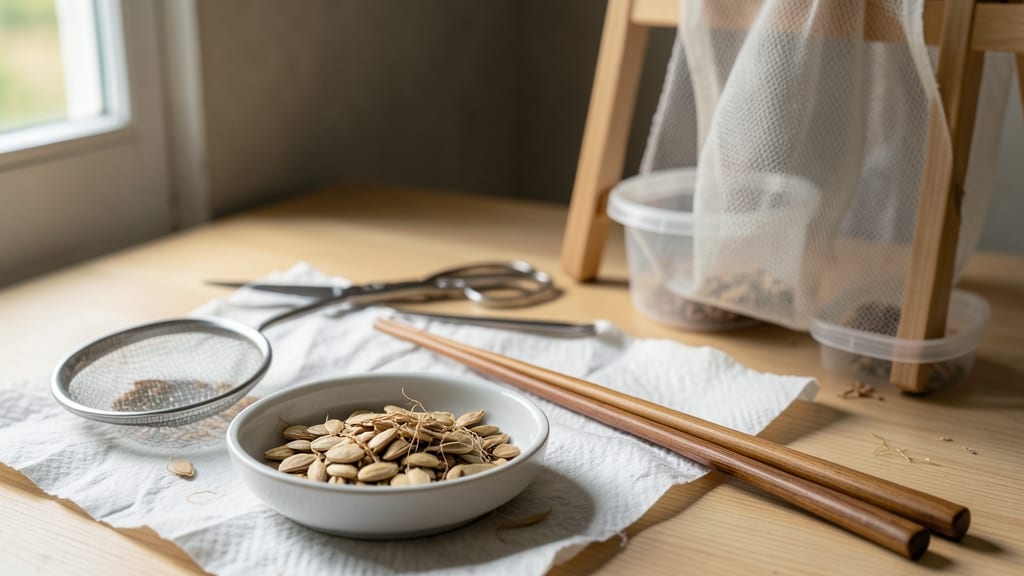
How to dry cantaloupe seeds properly saves you money and guarantees next year's harvest. 🌱 I've learned that rushing the process leads to moldy seeds—so let's get this right the first time with a foolproof method that works in just 48 hours.
The key is patience and cleanliness: scoop out the seeds, rinse them thoroughly, and spread them out to dry in a warm, dry spot. Most people skip the rinsing step, which traps mold spores that ruin seeds before they even get stored.
A simple paper towel or mesh screen works perfectly for airflow.
After two days, your seeds should be completely dry and ready for storage. Test one by scratching it—if it feels hard and crumbly, it's ready. Properly dried seeds maintain 90%+ germination rates for years when stored in airtight containers in a cool, dark place.
This method works for watermelon seeds too, and the same principles apply whether you're saving seeds for your garden or sharing with fellow gardeners. Let's make sure your seeds are ready for planting season!
📚 In This Guide
- What you need
- Instructions
- Tips and common mistakes
- Wrapping up and next steps
What you need
- ● Fresh cantaloupe seeds: Harvest seeds from 2-3 ripe cantaloupes (aim for at least 100 seeds for a good yield).
- ● Paper towels or coffee filters: 2-3 sheets (for drying).
- ● Small paper plates or seedling trays: 2-4 (to hold seeds while drying).
- ● Fine-mesh strainer or sieve: For rinsing seeds (if needed).
- ● Clean water: Room temperature, enough to rinse seeds thoroughly.
- ● Small paper envelopes or airtight containers: For long-term storage (e.g., 1-2 envelopes or 1-2 small jars).
- ● Pencil or permanent marker: To label storage containers with the date and cantaloupe variety.
- ○ Desiccant packets (optional but recommended): 1-2 (for moisture control in storage containers).
- ● Hair dryer (cool setting): Speeds up drying time (use low heat to avoid damaging seeds).
- ● Digital scale: Weigh seeds before and after drying (fun for tracking moisture loss!).
- ● Seed storage box with humidity control: For larger seed collections.
- ● Magnifying glass: Helps inspect seeds for viability before planting.
Step-by-step instructions for drying cantaloupe seeds
Here’s how to save seeds from your homegrown cantaloupes—ready for planting in just two days.
🌱 Step 1: Scoop and Rinse the Seeds
Cut open a ripe cantaloupe and scoop out the jelly-like pulp containing the seeds. Place the pulp in a bowl of cool water and let it sit for 10-15 minutes. The seeds will sink to the bottom while the pulp and any floating debris can be easily skimmed off. Rinse the seeds once more in fresh water to remove any remaining fruit residue.
This step is crucial—residual sugar on the seeds can attract mold during drying. I like to spread them on a clean kitchen towel afterward to catch any excess water before moving to the next stage. Don’t skip this; damp seeds won’t dry properly and may spoil.
💧 Step 2: Spread Seeds on a Dry Surface
Line a baking sheet with a single layer of paper towels or parchment paper. Arrange the seeds in a single layer, spacing them about 1 inch apart. If you’re drying a large batch, use multiple sheets. The goal is even airflow around each seed—crowding leads to uneven drying and potential mold.
Place the sheet in a warm, dry spot with indirect sunlight. A sunny windowsill works well, but avoid direct sun, which can overheat the seeds and crack their shells. If your kitchen is humid, prop the sheet on a rack to allow air circulation underneath. Check after 12 hours—they should feel dry to the touch but not brittle.
☀️ Step 3: Test for Dryness and Store Properly
After 24 hours, pick up a few seeds between your fingers. They’re ready when they feel completely dry inside and out, with no moisture left. If they still feel damp, return them to the drying surface for another 6-12 hours. Overdrying isn’t an issue, but underdrying risks mold or poor germination.
Once fully dry, transfer the seeds to an airtight container like a small glass jar or envelope. Label it with the variety and date—cantaloupe seeds stay viable for 3-5 years if stored in a cool, dark place. I keep mine in the fridge for extra longevity, but a dry pantry works too.
⏰ Step 4: Verify Viability Before Planting
Before sowing, test a few seeds by placing them between damp paper towels in a sealed plastic bag. Keep them in a warm spot (70-80°F) and check daily. Germination should start in 3-5 days. If fewer than half sprout, your seeds may need fresher stock or longer stratification (a cold period to mimic winter).
This final check saves you from planting dozens of seeds only to discover poor germination. I always test a small batch first—it’s a quick way to confirm your drying method worked. Store any unused seeds back in the airtight container for future seasons.
Tips & tricks for perfect cantaloupe seed drying
These little-known tricks will help you maximize germination rates and avoid common pitfalls while keeping your seeds ready for planting.
Seed Selection Matters: Choose seeds from organic cantaloupes when possible—they’re less likely to have been treated with fungicides that can inhibit germination. I always pick the plumpest seeds from the center of the pulp, as they tend to be the most viable. If you're working with a large batch, spread them out evenly to ensure consistent drying.
Humidity Control: If your kitchen feels damp, place a small dish of silica gel or uncooked rice near your drying seeds to absorb excess moisture. I’ve found this especially helpful in humid climates where seeds can take longer than the standard 24 hours to dry. The goal is to mimic desert-like conditions where seeds naturally dry in their native environment.
Storage Wisdom: Once your seeds are completely dry, store them in a sealed container with a small packet of silica gel or a few grains of uncooked rice. This extra moisture absorber helps maintain viability for those 3-5 years. I like to add a tiny piece of paper with the variety name and date—it’s easy to forget what you saved from last summer’s harvest!
Pro Tips for Dry Cantaloupe Seeds
- These little-known tricks will help you maximize germination rates and avoid common pitfalls while keeping your seeds ready for planting.
- Seed Selection Matters: Choose seeds from organic cantaloupes when possible—they’re less likely to have been treated with fungicides that can inhibit germination.
- Humidity Control: If your kitchen feels damp, place a small dish of silica gel or uncooked rice near your drying seeds to absorb excess moisture.
Frequently asked questions
How long do cantaloupe seeds need to dry before storing?
Cantaloupe seeds should be fully dried for 24–48 hours in a warm, dry place (like a paper towel-lined tray) before storage. Test readiness by crushing a few—if they’re brittle and crumble easily, they’re ready! Over-drying can reduce viability, so aim for just dry, not parched.
Can I speed up the drying process?
Yes! Place seeds on a screen or mesh tray in a low-heat oven (120–140°F) for 1–2 hours, then finish air-drying. Avoid direct sunlight or high heat, which can scorch seeds. A dehydrator (set to 95°F) also works well for even drying.
What’s the best way to store dried cantaloupe seeds long-term?
Store seeds in an airtight container (like a glass jar or resealable bag) with a desiccant packet to absorb moisture. Keep them in a cool, dark place (like a fridge or seed vault) for up to 3–5 years. Label with the date!
Why are my dried seeds still moldy or sticky?
Mold or stickiness usually means high humidity during drying. Redry seeds at 95°F for 30–60 minutes, then store properly. If mold persists, discard the batch—contaminated seeds won’t germinate. Always use clean tools to avoid cross-contamination.
Can I use store-bought cantaloupe seeds for drying?
Store-bought seeds are often treated or hybridized to prevent germination, so they won’t work for drying. Stick to fresh, organic cantaloupe seeds from homegrown fruit or seed-saving sources. If unsure, test a few seeds in damp paper towels to check viability.
Wrapping up and next steps
Drying cantaloupe seeds correctly ensures high germination rates and long-term storage success—no fancy equipment needed! With just a few simple steps, you’ll have viable seeds ready for planting in under 48 hours.
Whether you’re saving seeds for next season or sharing with fellow gardeners, this method keeps them fresh and ready to grow.
Now that you’ve mastered the process, why not take the next step? Try experimenting with other seed-saving techniques or plant your dried cantaloupe seeds in a small pot to watch them sprout! Happy gardening! 🌱