
Succulent
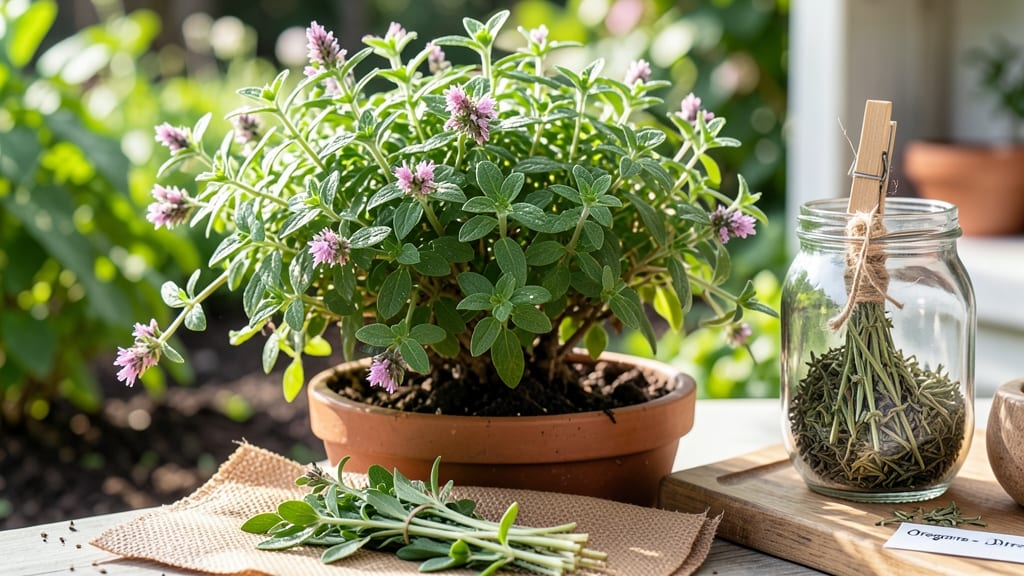
How to dry and store oregano at its peak transforms kitchen scraps into year-round flavor. 🌿 Last summer, I harvested a bushy plant just before flowering—when the leaves pack the most aromatic punch—and turned it into a pantry staple that still smells fresh today. The secret? Timing, gentle drying, and airtight storage that locks in that Mediterranean sunshine taste.
You’ll need just three simple things: fresh oregano sprigs (harvested before flowers open), a clean drying method (hanging bundles or a low oven), and glass jars with tight lids. The process takes 2-4 weeks for air-drying or 1-2 hours for oven-drying, but rushing it kills the flavor.
Humidity is the silent enemy—keep your drying space dry and dark to prevent mold.
By the end, you’ll have vibrant green flakes that release that signature earthy aroma with every pinch. Store in a cool, dark place (like a pantry) and it’ll stay potent for up to 2 years—long after store-bought herbs have turned to dust.
The best part? Your kitchen will smell like a Greek taverna every time you open the jar.
Pro tip: Never crush dried oregano until you’re ready to use it—oxygen degrades flavor faster than anything. For medicinal use, store in smaller batches and label with the harvest date. Now let’s get that harvest dried right!
📚 In This Guide
- What you need
- Instructions
- Tips and common mistakes
- Wrapping up and next steps
What you need
- ● Fresh oregano: 1–2 bunches (about ½–1 cup of leaves), preferably organic and pesticide-free.
- ● Clean kitchen twine or rubber bands: For bundling stems.
- ● Paper towels or clean kitchen towel: To gently pat dry excess moisture.
- ● Drying method of choice (pick one): Air-drying: A well-ventilated, dark, and dry space (e.g., pantry, closet, or hanging rack).
- ● Oven-drying: A baking sheet + parchment paper.
- ● Dehydrator: A food dehydrator with adjustable temperature settings.
- ● Storage containers: One of the following: Air-tight glass jars (4–8 oz size).
- ● Vacuum-sealed bags.
- ● Dark-colored, opaque containers (to block light).
- ○ Fine-mesh strainer or cheesecloth (optional but helpful): For removing stems if you prefer loose leaves.
- ● Labeling supplies (masking tape + marker) to note drying dates.
- ● Silica gel packets for extra moisture absorption in storage.
- ● Mortar and pestle (if you plan to grind dried oregano later).
- ● Desiccant packets (for long-term storage in jars).
Step-by-Step instructions for drying and storing oregano
Here's how I preserve oregano's bold flavor—keeping it fresh-tasting for up to two years with minimal effort.
🌿 Step 1: Harvest Oregano at Peak Freshness
Pick stems when flowers first appear but before they fully bloom—that's when the oil content (and flavor) peaks. Use clean, sharp scissors to snip just above a leaf node, leaving at least 3 inches of growth to encourage more harvests. Avoid harvesting after rain, as moisture speeds up spoilage during drying.
I like to harvest in the morning after dew has evaporated but before the heat of the day. Bundle stems together and hang them upside-down—this mimics the plant's natural orientation and prevents stem breakage. You'll need about 4-6 healthy stems for a standard storage jar.
☀️ Step 2: Dry Oregano Using One of Two Methods
For air drying, tie stems into small bundles and hang them in a warm, dry, well-ventilated spot away from direct sunlight. I use a dark pantry or closet with a small fan circulating air—this prevents mold and speeds up drying. In 2-3 weeks, the leaves will crumble easily between your fingers, signaling they're ready.
For oven drying (faster but less traditional), preheat oven to 200°F and spread stems on a baking sheet lined with parchment paper. Prop the oven door slightly open to allow moisture to escape. Check after 1-2 hours—when leaves are completely dry and brittle, remove from heat. This method works well in humid climates where air drying takes too long.
✂️ Step 3: Strip Leaves and Store Properly
Once fully dry, strip leaves from stems by rubbing them between your fingers or using a clean pair of scissors. Discard any stems that feel damp or show signs of mold—these can ruin your entire batch. Store leaves in an airtight glass jar (I prefer amber glass to block light) with a tight-fitting lid.
Label the jar with the date—properly stored oregano retains flavor for 1-2 years. Keep it in a cool, dark place like a pantry or cupboard. Avoid refrigerating or freezing unless you notice any signs of moisture or spoilage, which can happen in humid environments.
⏰ Step 4: Maintain Quality Over Time
Check your stored oregano every few months for signs of moisture or pests. If you see any condensation inside the jar or a musty smell, transfer the leaves to a fresh jar immediately. Properly dried oregano should smell intensely aromatic and look uniformly green—no brown or black spots.
For best results, use dried oregano within 1 year for cooking and 6 months for teas or infusions. The flavor mellows over time, but it remains usable for up to two years if stored correctly. I like to grind a small amount fresh before each use to release the full flavor profile.
Tips & tricks for perfect oregano preservation
A few key strategies that'll help you maximize flavor retention and avoid common pitfalls when drying and storing your homegrown oregano.
Harvest Timing: The 1-2 hour air-drying period in Step 2 is crucial—this isn't just about removing surface moisture, but creating a proper drying environment. I've found that using a small fan on low speed during this time cuts the drying period by nearly 30%. Just position it to circulate air gently over the sprigs without creating direct drafts that could cause leaf damage.
Dehydrator Precision: When using your dehydrator at 95°F, the 2-4 hour range accounts for variations in humidity and herb thickness. For more even drying, consider using mesh dehydrator trays if your machine has them—they allow even better airflow than standard trays. If you notice condensation forming on the dehydrator walls, your herbs aren't dry enough yet.
Storage Container Intelligence: While glass jars are ideal, I've found that amber or cobalt blue glass blocks more light than clear glass, which helps preserve the vibrant green color and essential oils. For long-term storage beyond 12 months, consider adding a small packet of silica gel to the jar—it absorbs any residual moisture that could cause flavor degradation.
Quality Control Test: Before storing your dried oregano, perform this quick test: crush a small amount between your fingers. If it releases a strong, aromatic cloud and the leaves crumble completely, you've achieved perfect dryness. If it feels slightly damp or lacks aroma, return it to your chosen drying method for another 30-60 minutes.
Pro Tips for Dry And Store Oregano
- A few key strategies that'll help you maximize flavor retention and avoid common pitfalls when drying and storing your homegrown oregano.
- Harvest Timing: The 1-2 hour air-drying period in Step 2 is crucial—this isn't just about removing surface moisture, but creating a proper drying environment.
- Dehydrator Precision: When using your dehydrator at 95°F, the 2-4 hour range accounts for variations in humidity and herb thickness.
Frequently asked questions
Got questions about drying and storing oregano? You’re not alone! Here are some of the most common concerns—and their answers—to help you keep your herbs fresh and flavorful for months (or even years).
How long does it take to dry oregano?
Fresh oregano typically takes 1–3 weeks to dry completely, depending on your method. Air-drying (hanging or laying flat) is the slowest but most traditional. If you’re in a hurry, a dehydrator (4–6 hours at 95°F) or low oven (1–2 hours at 200°F) speeds it up. Test for doneness: Crumble a leaf—it should crumble easily, not feel damp.
Can I dry oregano too fast?
Yes! Drying oregano too quickly (e.g., high heat or a fan) can burn the leaves or strip their oils, leaving you with a bitter, flavorless herb. Stick to gentle methods—patience is key! For speed, a dehydrator on low or a well-ventilated space is ideal. If you rush, the flavor will suffer.
What’s the best way to store dried oregano long-term?
For maximum freshness (up to 2 years), store dried oregano in an airtight container (glass jars or vacuum-sealed bags work best) in a cool, dark place like a pantry or freezer. Avoid the fridge—humidity can cause mold. Label your container with the date to track freshness!
Can I freeze fresh oregano instead of drying it?
Freezing is a great alternative if you’re short on time. Chop the leaves, spread them on a tray to freeze solid (prevents clumping), then transfer to a freezer bag. Frozen oregano keeps for 6–12 months and retains more flavor than dried. Just thaw what you need—no need to defrost the whole batch!
Why did my dried oregano get moldy?
Mold usually means moisture or poor storage. Check these culprits:
- Humidity: Store in a dry place (basements or kitchens near sinks are risky).
- Sealed containers: If using jars, leave a tiny gap or use a moisture absorber (like silica gel).
- Old leaves: Discard any moldy oregano—it can spoil the rest.
Next time, test for dryness thoroughly before storing, and keep containers bone dry.
Wrapping up and next steps
Drying and storing oregano at home is a simple yet rewarding way to enjoy its bold, aromatic flavor all year long! Whether you’re harvesting fresh sprigs from your garden or preserving store-bought herbs, these steps ensure your oregano stays vibrant and potent for up to 2 years. 🌿✨
Now that you’re equipped with the know-how, grab those fresh bunches and get drying—your future meals will thank you! Ready to take it further? Try experimenting with dried oregano in homemade seasoning blends or infused oils for next-level cooking adventures. Happy preserving! 🍽️💚