
Propagation
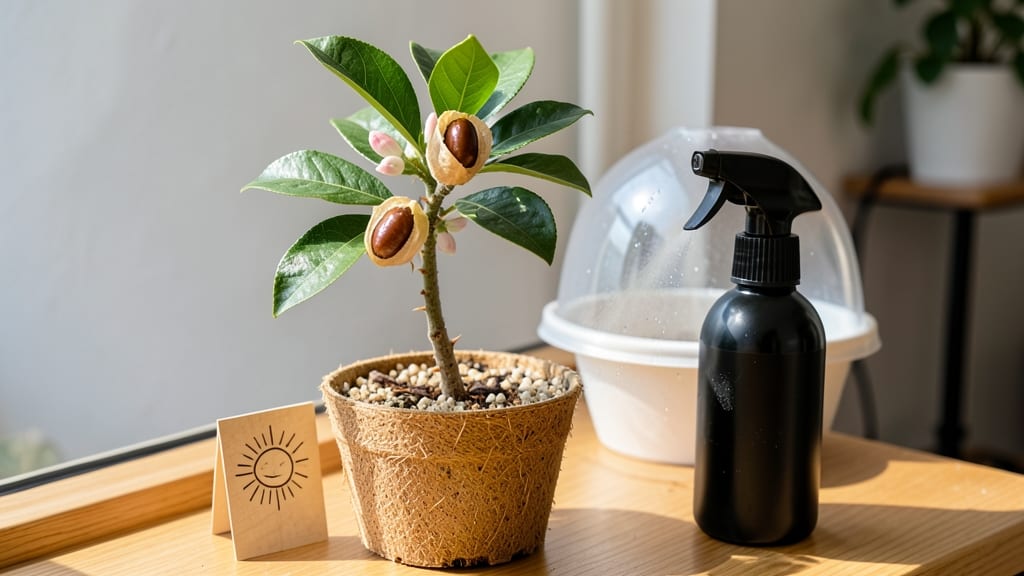
This tropical citrus adventure starts with how to grow a key lime from seed. 🌱 Key lime trees from seed are a rewarding challenge—imagine growing your own fragrant, sun-drenched tree that could one day produce those tangy, bright green limes.
The journey takes patience (years before fruit), but the process itself is surprisingly simple once you know the tricks.
Germination is the first hurdle—it can take 4-12 weeks for those tiny seeds to sprout, especially in cooler conditions. I’ve found that soaking seeds overnight and using a warm, humid environment (like a sealed container with a heat mat) speeds things up dramatically.
Once sprouted, keep them in bright, indirect light until they’re sturdy enough to transplant.
Outdoor growers in zones 9-11 can plant seedlings permanently after the last frost, while everyone else will need to overwinter young trees indoors. The real magic happens when they reach 3-5 feet tall—that’s when you’ll start seeing those signature glossy leaves and the first hints of citrus blossoms.
Just be ready for pests like aphids or scale, which love tender new growth.
Even if fruit takes years, the journey is worth it. Your tree will reward you with fragrant blooms and that unmistakable citrus scent long before the first limes appear. The key? Consistency—water when the top inch of soil dries, fertilize lightly in spring, and protect from cold drafts.
Tropical citrus isn’t for the impatient, but the payoff is pure sunshine in a pot.
📚 In This Guide
- What you need
- Instructions
- Tips and common mistakes
- Wrapping up and next steps
What you need
- ● Key lime seeds: 2–4 fresh, plump seeds from a ripe key lime (the more, the merrier—some may not sprout!).
- ● Seed-starting mix: 1–2 cups of well-draining, sterile potting soil (avoid garden soil—it can harbor pests or diseases).
- ● Small pots or seed trays: 2–4 biodegradable or plastic pots (3–4 inches in diameter) or a seed tray with drainage holes.
- ● Drainage tray or saucer: To catch excess water and prevent root rot.
- ● Spray bottle: For gentle watering to keep seeds moist without over-saturating them.
- ○ Plastic wrap or humidity dome: To create a mini greenhouse effect (optional but helpful for germination).
- ● Grow lights or sunny windowsill: A warm, bright spot (70–80°F) with at least 6–8 hours of indirect light daily.
- ● Fertilizer: A balanced, water-soluble fertilizer (like 10-10-10) for young seedlings (use sparingly—start at half-strength!).
- ● Humidity monitor: To keep track of moisture levels (ideal range: 60–70% humidity during germination).
- ● Pest control: Neem oil or insecticidal soap (if you spot aphids or fungus gnats later on).
- ● Larger container: A 5–7 gallon pot with drainage holes for transplanting once your seedling grows 6+ inches tall.
Step-by-step instructions for growing key lime trees from seed
Ready to grow your own tropical citrus? Here's how to nurture key lime seeds into thriving trees.
🌱 Step 1: Extract and Prepare the Seeds
Start by selecting a fresh key lime from the grocery store or a local market. Cut the fruit in half and scoop out the seeds—you'll need about 4 seeds to begin. Rinse them gently under cool water to remove any pulp, then let them air-dry on a paper towel for 24 hours. This drying step prevents mold and helps the seed coat soften naturally.
While drying, fill a small container (like a 4-inch plastic pot) with well-draining potting mix—I recommend a blend of 50% peat moss and 50% perlite for optimal aeration. Moisten the mix until it feels like a damp sponge, but not soggy. The goal is to create an environment where seeds can germinate without rotting.
💧 Step 2: Plant the Seeds and Maintain Moisture
Plant the dried seeds ½ inch deep in the prepared mix, spacing them about 2 inches apart. Press them lightly into the soil to ensure good contact—this encourages strong root development. Cover the pot with a clear plastic bag or a humidity dome to trap warmth and moisture, which speeds up germination.
Place the pot in a warm, bright location, ideally near a south-facing window where temperatures stay between 70-80°F. Check the soil daily—it should stay evenly moist but not waterlogged. Mist the soil lightly if the surface feels dry to the touch. Germination can take 2-4 weeks, so patience is key. Avoid disturbing the seeds once planted; even a slight shift can delay sprouting.
☀️ Step 3: Provide Light and Care for Seedlings
Once the seedlings emerge, remove the plastic covering immediately to prevent fungal growth. Place them under grow lights or in a spot with 6-8 hours of direct sunlight daily. Key lime seedlings are sensitive to drafts, so keep them away from air conditioning vents or open windows. If the leaves start looking pale or leggy, your light source isn’t strong enough—adjust the position within 6 inches of the light.
Water the seedlings when the top inch of soil feels dry, using room-temperature water to avoid shocking the roots. Fertilize lightly with a balanced citrus fertilizer (5-5-5) diluted to half strength every 4 weeks once the seedlings have 4-6 true leaves. Over-fertilizing at this stage can burn tender roots, so less is more.
🪴 Step 4: Transplant and Encourage Growth
When the seedlings reach 6-8 inches tall (usually after 3-4 months), transplant them into 6-inch pots filled with a citrus-specific potting mix. Gently loosen the roots before transferring to avoid damaging them. Place the pots in a sunny, sheltered spot where they can receive full sun but are protected from harsh winds.
Continue watering when the soil feels dry 1-2 inches down, and keep the fertilizer schedule consistent. Prune any leggy growth to encourage bushier development—pinch back the tips of the longest stems to redirect energy into stronger branches. By this stage, your seedlings should start looking like miniature key lime trees, ready for their next growth phase.
⏰ Step 5: Prepare for Outdoor Planting
After 12-18 months, when your key lime trees are 3-4 feet tall and sturdy, they can be transplanted outdoors—only if you live in USDA zones 9-11. Choose a location with full sun and well-draining soil, and dig a hole twice as wide as the root ball. Amend the soil with compost to improve fertility and drainage.
Water deeply after planting to settle the soil, then mulch around the base with 2-3 inches of organic mulch to retain moisture and regulate temperature. If you're in a colder zone, keep the trees in pots and move them indoors during winter, placing them near a bright window or under grow lights. With proper care, your key lime trees can live for decades and eventually produce fruit—though it may take 5-7 years for seed-grown trees to bear citrus.
Tips & tricks for growing key lime trees from seed
Growing key lime trees from seed is a rewarding challenge—here's how to set yourself up for success from the very beginning.
Seed Preparation: Don't rush the 24-hour drying period for your seeds—this critical step prevents mold and ensures proper germination. I've seen many gardeners skip this, only to deal with fungal issues later. Place the seeds on a clean paper towel in a single layer, away from direct sunlight, and check them daily to ensure they remain dry but not brittle.
Soil Mix Matters: The 50% peat moss and 50% perlite blend creates ideal aeration, but don't use regular garden soil—it compacts too easily and can suffocate young roots. If you can't find peat moss, substitute with coconut coir, which holds moisture similarly while providing excellent drainage. The key is maintaining that "damp sponge" texture without waterlogging.
Germination Environment: Maintaining that 70-80°F range is crucial for germination, but don't assume your home stays perfectly consistent. If your home runs cooler, place the pot on a seedling heat mat set to 75°F. For warmer climates, move the pot to a slightly cooler spot to prevent overheating. The plastic covering creates a mini greenhouse effect—just remember to remove it immediately once sprouts appear to prevent fungal growth.
Light Management: When adjusting your seedlings within 6 inches of grow lights, think of it like positioning a lamp for reading—too far and they'll stretch, too close and they'll scorch. I recommend using a timer for 14-16 hours of light daily to simulate natural daylight cycles. This consistent light exposure prevents the leggy growth that can weaken young citrus trees.
Pro Tips for Grow Key Lime From Seed
- Growing key lime trees from seed is a rewarding challenge—here's how to set yourself up for success from the very beg...
- Seed Preparation: Don't rush the 24-hour drying period for your seeds—this critical step prevents mold and ensures pr...
- Soil Mix Matters: The 50% peat moss and 50% perlite blend creates ideal aeration, but don't use regular garden soil—i...
Frequently asked questions
Got questions about growing key limes from seed? You’re not alone—this tropical citrus can be tricky for beginners! Here are answers to the most common queries to help you succeed.
How long does it take for a key lime seed to germinate?
Key lime seeds typically germinate in 2–4 weeks under ideal conditions (warmth, moisture, and indirect light). Keep the soil consistently damp but not soggy, and place the pot in a spot with temperatures above 70°F (21°C). Patience is key—some seeds may take up to 6 weeks!
Will my key lime tree from seed produce real key limes?
Probably not! Seed-grown trees often produce inferior fruit—smaller, less sweet, and sometimes bitter. For true key limes, consider grafting onto a rootstock or buying a young grafted tree. If you’re happy with small, tangy limes for cooking, seed-grown fruit can still be delicious!
Can key lime trees survive winter in cold climates?
Key limes are tropical and thrive in USDA zones 9–11. In colder areas (zones 8 or below), grow them in containers and move them indoors during winter. If left outside, expect leaf drop or death when temps drop below 25°F (-4°C). A sunny patio or greenhouse works well!
Why are my key lime seedlings growing slowly or turning yellow?
Slow growth or yellowing leaves often signal overwatering, poor drainage, or nutrient deficiencies. Ensure the pot has drainage holes and use a well-draining citrus potting mix. Yellow leaves can also mean iron deficiency—try adding chelated iron or a citrus-specific fertilizer. Give your seedlings bright, indirect light to boost growth!
Can I grow key limes indoors successfully?
Yes! Key limes adapt well to indoor life if you provide 6+ hours of sunlight daily (a south-facing window or grow lights work). Use a 10–12 inch pot and rotate it occasionally for even growth. Watch for pests like spider mites and mist leaves regularly. With proper care, your indoor tree can thrive and even bear fruit!
Wrapping up and next steps
Growing a key lime tree from seed is a rewarding journey that brings a taste of the tropics right to your doorstep! 🌱 With patience and care—from sprouting those tiny seeds to nurturing a thriving citrus tree—you’ll soon enjoy the sweet, tangy fruits of your labor. Now that you’ve got the know-how, why not plant a few seeds today? Share your progress with fellow gardening enthusiasts or even gift a sapling to a friend.
The next step? Experiment with different growing conditions or explore other citrus varieties to expand your tropical garden!