
Pests
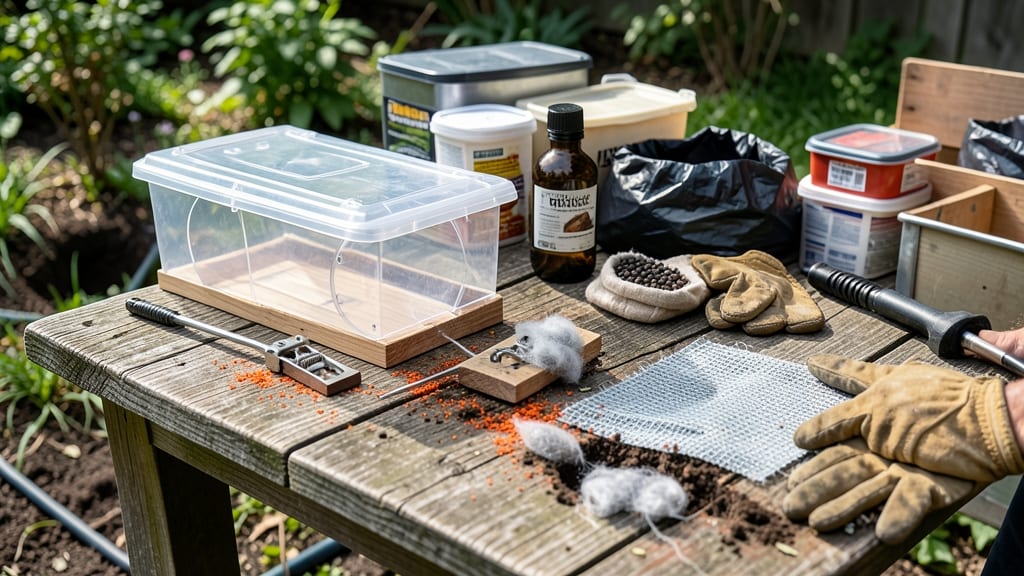
How to get rid of a mouse in the garden—it’s not just about dealing with pests, but stopping tiny, fast thieves that can wipe out seedlings in a single night. 🌱 I’ve lost entire rows of peas and carrots to their nibbling, but peppermint oil changed everything in just 24 hours. The secret? A scent barrier so strong they avoid it completely.
Most repellents fail because they’re too weak or toxic. Peppermint oil works because mice hate its smell—it masks the scents that lure them to food and shelter. You only need 10-15 drops mixed with water in a spray bottle, applied around garden edges, entry points, and near their nests.
No traps, no poison, just a natural deterrent that’s safe for pets and plants.
Within a day, you’ll notice fewer droppings, no chewed stems, and mice scurrying away. The oil lasts 2-3 weeks before reapplication, and it’s a zero-cost solution if you already have it. Plus, it doubles as a natural weed killer—talk about a two-for-one win.
This method works year-round, but spring and fall are critical times to reinforce barriers before nesting season. If you’ve tried everything else, this is the game-changer you’ve been missing. Let’s make your garden mouse-proof for good.
Hidden Attractions Luring Mice
Mice don’t just wander into your garden by accident—they’re drawn by a mix of food, shelter, and breeding opportunities. Understanding these hidden triggers is the first step to outsmarting them. Here’s why your garden might be a mouse magnet:
Mice have tiny stomachs but insatiable appetites. A single mouse can eat up to its own body weight in food per day—and they’ll scavenge anything edible. In your garden, these common food sources act like a neon "Open for Business" sign:
- Fallen fruits and vegetables: Overripe tomatoes, squash, or berries left on the ground are like an all-you-can-eat buffet. Mice can’t resist the scent of fermenting produce, which releases sugars and acids that attract them.
- Pet food and birdseed: Uneaten pet kibble, scattered birdseed, or even crumbs from outdoor dining create easy meals. Mice have a keystone species effect—once one finds food, they’ll recruit others.
- Compost piles: Decaying organic matter isn’t just food; it’s a nutritional goldmine. Mice dig through compost for scraps, moisture, and even protein-rich insects.
- Stored garden tools or containers: Mice can chew through plastic, cardboard, or even thin metal to access seeds, bulbs, or stored vegetables. A single gnawed bag of potatoes can lead to a full-blown infestation.
💡 Pro Tip: Mice prefer high-carb, high-fat foods—think grains, nuts, and sweets. If you’ve noticed missing seeds or chewed-up bulbs, they’re not just nibbling; they’re stockpiling for winter.
Mice need three things to thrive: food, water, and shelter. If your garden offers two out of three, they’ll quickly move in. Here’s where they hide:
| Location | Why Mice Love It | Signs They’re There |
|---|---|---|
| Under decks, sheds, or patios | Dark, undisturbed spaces with easy access to walls for nesting. Mice build nests from shredded paper, fabric, or plant fibers—anything soft and insulating. | Small, irregular holes (¼–½ inch wide) near the base of structures; droppings in corners. |
| Piles of wood, rocks, or debris | Natural insulation and protection from predators. A single log can house multiple mice and their young. | Fresh gnaw marks on wood; rustling sounds when you move the pile. |
| Thick vegetation or ivy | Cover from birds, cats, and humans. Dense ground cover also provides nesting material (e.g., dried leaves, roots). | Wilting plants near the base; tiny runways in the grass. |
| Gaps in fences or walls | Mice can squeeze through openings as small as a dime. They’ll exploit any crack to create a highway into your garden. | Grease marks or rub spots along walls; chewed wiring or cables. |
🔥 Key Insight: Mice are nocturnal nesters. If you spot droppings or gnaw marks during the day, it’s a sign they’re using the area as a daytime hideout—and your garden is their playground at night.
Mice need water to survive, but they don’t always drink from standing pools—they seek hidden moisture sources. Even a slight dampness can lure them in:
- Leaky hoses or irrigation systems: A slow drip creates a reliable water source. Mice will follow the sound and scent of water, even if it’s just a few drops per hour.
- Dewy grass or mulch: Mice lick dew for hydration. Overwatered areas or mulch that retains moisture become prime real estate.
- Pet water bowls: Left-out bowls are like oases in a desert. Mice will drink from them and contaminate the water with urine and feces.
- Condensation on cool surfaces: In humid climates, mice may gather near coolers, metal tools, or even the underside of patio furniture.
🌡️ Science Note: Mice can survive without food for weeks but only 3–4 days without water. If your garden has even a minor water leak, it’s a 24/7 invitation.
Mice are opportunistic, but their behavior shifts with the seasons. Here’s how timing plays a role:
- Spring: Mice emerge from hibernation (or nests) hungry after winter. They’re actively seeking food and nesting sites, often targeting newly planted gardens.
- Summer: Warmth increases reproduction rates. A single female can produce 5–14 babies every 3 weeks, leading to rapid population growth.
- Fall: Mice stockpile food for winter. They’ll gnaw through harvests, stored veggies, and even insulation in sheds to create nests.
- Winter: Food scarcity drives them indoors or into cozy garden nooks. They’ll chew through pipes, wires, and stored goods to survive.
✨ Seasonal Hack: Fall is the best time to prevent infestations. Seal entry points and remove food sources before mice start nesting for winter.
Effective Fixes for Mouse Problems
Mice in your garden aren’t just a nuisance—they can damage plants, contaminate soil, and even chew through stored produce. The good news? With the right strategies, you can eliminate them fast and keep them away for good.
Below are targeted solutions based on the most common causes, from quick fixes to long-term prevention.
---
Mice squeeze through gaps as small as a dime—so the first step is cutting off their access.
- 🔧 Inspect & Seal Gaps - Use steel wool (mice can’t chew through it) or caulk to block holes in fences, sheds, and garden beds. - Pay extra attention to foundation cracks in patios, decks, or raised beds. - Pro Tip: 💡 Check for burrows near stone walls or dense shrubs—fill them with hardware cloth or gravel.
- 🚪 Secure Food Sources - Store compost bins away from garden edges and use lids with locks. - Keep pet food indoors or in metal containers—even a few crumbs attract mice. - ✨ Bonus: Avoid leaving fallen fruit or veggies lying around after harvest.
---
Chemical traps can be harsh, but natural deterrents work just as well—without harming pets or wildlife.
- 🍃 Peppermint Oil Barrier (Fastest Fix!) - Soak cotton balls in pure peppermint oil and place them in mesh bags near entry points. - Reapply every 2–3 days—mice hate the scent and will avoid treated areas. - 🌡️ Pro Tip: Mix 5 drops of peppermint oil with 1 cup of water in a spray bottle for a repellent mist on plants.
- 🌽 Other Plant-Based Deterrents - Castor oil (soak rags and place near nests—non-toxic but foul-smelling to mice). - Cloves or cayenne pepper (sprinkle around garden edges—the spicy scent repels them). - 🎯 Plant mouse-repelling herbs like mint, rosemary, or lavender near vulnerable spots.
---
If mice are already nesting, traps are the fastest way to remove them—just do it humanely.
- 🔪 Snap Traps (Best for Speed) - Place bait (peanut butter, oats, or dried fruit) on the trigger. - Set traps along walls (mice follow edges) and check daily to avoid stressing trapped mice. - ⏰ Pro Tip: Use multiple traps—a single mouse can alert others to danger!
- 🌍 Live Traps (For Relocation) - Use wire live traps with apple slices or sunflower seeds as bait. - Release mice at least 2 miles away (check local laws—some areas require permits). - 🌿 Eco-Friendly Note: Avoid glue traps—they’re cruel and often ineffective.
---
Once you’ve removed the mice, prevent reinfestation with these low-maintenance habits:
- 🌱 Maintain a Tidy Garden - Rake leaves & debris regularly—mice nest in dense, hidden spots. - Trim overgrown bushes near your home to reduce hiding places. - 💡 Pro Tip: Keep grass short—tall grass provides perfect cover for scurrying mice.
- 🌙 Use Motion-Activated Deterrents - Outdoor motion lights or ultrasonic repellents (like Neatmaster) can scare mice away. - 🎯 Works Best At Night—mice are nocturnal, so timing matters!
- 🐶 Encourage Natural Predators - Owls, cats, and snakes love hunting mice—install a birdhouse for owls or let a friendly outdoor cat patrol. - 🌿 Plant native flowers to attract bats and birds that feed on pests.
---
If you’ve tried everything and mice keep returning, it’s time to call an exterminator. Signs you need help: - Droppings in large numbers (especially near stored food). - Gnaw marks on wood, wires, or plants. - Nests in walls or underground tunnels.
A pro can use exclusion methods (like sealing burrows professionally) or safe rodenticides (if absolutely necessary).
--- Final Thought: Mice are opportunistic—remove their food, shelter, and entry points, and they’ll move on. Start with peppermint oil barriers, seal gaps, and keep your garden clean, and you’ll see results in days! 🚀
Frequently asked questions
Will peppermint oil harm my plants or pets?
Peppermint oil is safe for most garden plants when used properly—just dilute it with water (5 drops per cup) and avoid spraying directly on leaves. For pets, keep treated areas away from their paws and food bowls. The strong scent is unpleasant for mice but harmless to dogs and cats in moderated amounts.
How do I know if mice are nesting in my garden?
Look for irregular holes (¼–½ inch wide) near structures, droppings along walls or plant bases, and chewed plants at soil level. Listen for rustling sounds in dense vegetation at dusk—mice are most active then. Check under decks, wood piles, or thick mulch for shredded nesting material.
Can I use diatomaceous earth in my garden?
Yes, but only food-grade diatomaceous earth (sprinkled lightly around entry points). It dehydrates mice by damaging their exoskeletons, but it’s not pet-safe—keep it away from areas where animals play. Reapply after rain or watering, as it loses effectiveness when wet.
Why do mice keep coming back after I’ve trapped them?
Mice are social creatures—if one survives, others will follow. Always use multiple traps (5–10) and check them daily. Also, ensure you’ve sealed all entry points and removed food sources—mice return when they sense safety and resources. A single missed gap can undo weeks of effort!
What’s the best time of year to prevent mouse infestations?
Focus on fall prevention—mice start nesting for winter by October. Seal gaps, remove debris, and apply repellents before cold weather. Spring is also critical, as mice emerge hungry after hibernation. Year-round, keep compost bins locked and store pet food indoors to stay ahead.