Container Gardens
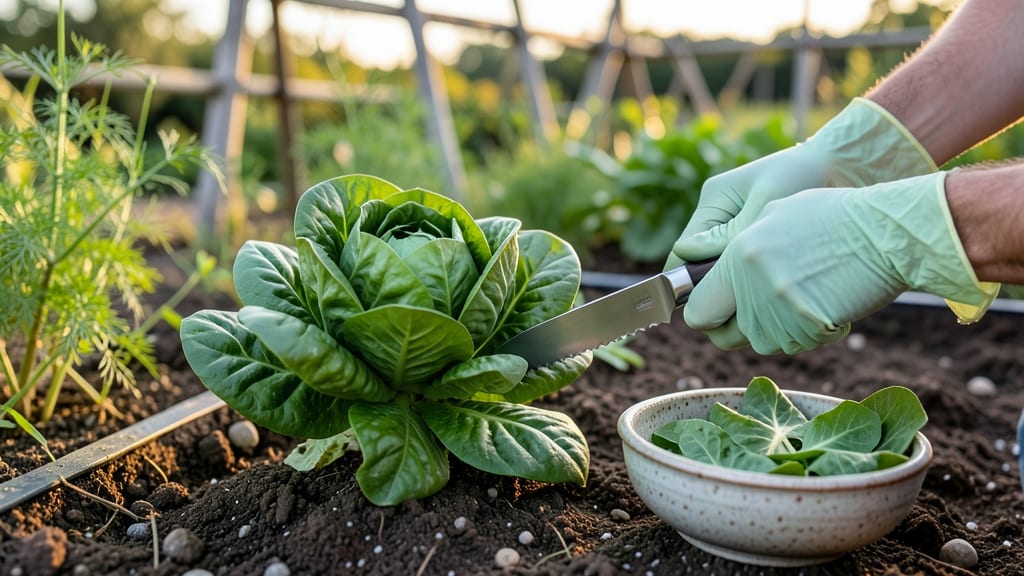
The correct way to cut lettuce for regrowth (step-by-step guide)
Cutting lettuce properly is the secret to extending your harvest for weeks—even months—without killing your plant. The key lies in precision cutting and understanding plant anatomy. Unlike pulling whole heads, you’ll use a cut-and-come-again method that stimulates regrowth from the growing point (the center crown).
This works for both loose-leaf varieties (like romaine) and head lettuce (like butterhead), though head types may regrow less vigorously.
Before you begin, gather your tools: a sharp pair of scissors or clean pruning shears (never dull knives—they crush stems). Work on a dry, sunny morning when leaves are crisp, not wilted.
This timing reduces stress on the plant and gives you the freshest harvest. For container gardens, this method is especially valuable since space is limited—maximizing regrowth means more yield from fewer plants.
Here’s how to cut lettuce for regrowth without damaging the plant:
- 1 Identify the outer leaves: Focus on the largest, most mature outer leaves (4–6 inches long). These are ready for harvest and won’t harm the plant’s center.
- 2 Angle your cut: Hold your scissors at a 45-degree angle and cut just above the base of the leaf where it meets the stem. Avoid cutting into the center crown—this is the plant’s growth engine.
- 3 Leave the inner leaves: Never remove more than one-third of the plant at a time. Inner leaves protect the growing point and provide energy for regrowth. For head lettuce, cut only the outer wrapper leaves to preserve the core.
- 4 Sanitize your tools: Wipe blades with rubbing alcohol between cuts to prevent bacterial spread. This is critical for container gardens where space is tight and diseases spread quickly.
- 5 Post-harvest care: Water the plant deeply after cutting to reduce shock. Add a light mulch (like straw) to retain moisture and protect the base from heat stress.
- 6 Monitor regrowth: New leaves should emerge in 7–14 days. If growth stalls, check for pests (like aphids) or nutrient deficiencies (yellowing leaves). Adjust sunlight or fertilize lightly if needed.
For loose-leaf varieties, you can harvest every 5–7 days as long as you leave the center intact. Head lettuce may only regrow a few leaves, but you can still enjoy partial harvests.
Pro tip: Use a small hand trowel to gently loosen soil around the base after cutting—this encourages root expansion and faster regrowth.
Timing is everything. Harvest in the early morning when leaves are hydrated and crisp. Avoid cutting during hot afternoons or after rain, as this stresses the plant.
If your lettuce starts to bolt (send up a flower stalk), it’s past the regrowth stage—focus on saving seeds or replanting for a new crop.
One common misconception is that you can cut lettuce "anywhere." In reality, where you cut determines whether the plant survives. The growing point (the tight cluster of leaves at the base) must remain undamaged. Even a small nick can invite rot or pests, so precision matters more than speed.
If you’re growing lettuce in containers, this method is a game-changer. A single 12-inch pot can yield dozens of harvests over 2–3 months with proper care. Just ensure your container has drainage holes and at least 6 inches of soil depth—shallow roots mean less stability for regrowth.
🌱
The correct way to cut lettuce for regrowth (step-by-step guide)
Harvesting lettuce leaves the right way is all about precision and timing. Unlike pulling whole heads, cutting lettuce leaves encourages regrowth for weeks. Start by selecting mature outer leaves—they’re the first to reach harvest size while leaving the inner leaves to grow.
This method works best for loose-leaf varieties like romaine or butterhead, but even head lettuce can regrow if treated gently.
Use a sharp pair of scissors or pruning shears to avoid crushing stems. Dull blades tear leaves, inviting pests and disease. Always cut just above the base of the leaf, leaving about 1/4 inch of stem.
This tiny stub helps the plant heal and redirect energy to new growth. Avoid cutting into the center rosette—that’s where future leaves emerge!
Step-by-Step Guide to Cutting Lettuce for Regrowth
- Step 1: Wait until outer leaves reach 4-6 inches in length.
- Step 2: Use clean, sharp scissors to cut leaves at the base.
- Step 3: Leave 1/4 inch of stem attached to the plant.
- Step 4: Harvest 1/3 of the plant at a time to avoid stress.
- Step 5: Water deeply after cutting to encourage regrowth.
Timing matters just as much as technique. Harvest in the morning when leaves are crisp and hydrated. Avoid cutting during peak heat—stressed plants bolt (send up flower stalks) faster.
For head lettuce, you can cut the entire head 1 inch above the soil if you’re done harvesting. The plant may regrow a smaller head if conditions are ideal.
After cutting, give your lettuce a nutrient boost to speed up recovery. Mix a balanced fertilizer (5-10-10) into the soil or use a seaweed extract spray for a gentle kickstart.
Focus on nitrogen-rich fertilizers to promote leafy regrowth. Keep the soil moist but not soggy—lettuce roots need consistent moisture to bounce back.
Monitor your plant closely for signs of stress like yellowing leaves or leggy growth. These often mean it’s time to space out harvests or adjust sunlight. If your lettuce starts bolting (sending up a tall flower stalk), it’s past its prime for regrowth.
In this case, pull the plant and start fresh with new seeds.
With patience and care, a single lettuce plant can yield multiple harvests over 6-8 weeks. This method works especially well in containers or small garden beds where space is limited. Try it with romaine or butterhead varieties—they’re the most forgiving for regrowth!