
Propagation
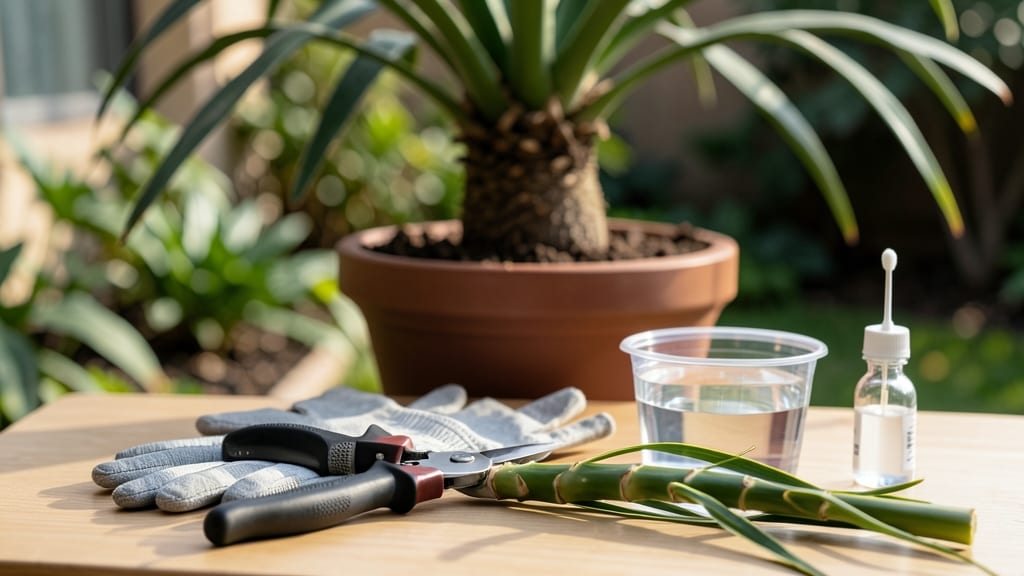
Your Dracaena marginata just hit its leggy limit—time for a strategic trim. ✂️ I’ve turned my overgrown dragon tree from a sad, sparse stalk into a bushy, thriving centerpiece by mastering the right cuts.
The secret isn’t just where you slice; it’s how you prep, cut, and care for the plant afterward to spark fresh growth where you want it.
You’ll need sharp pruners (or a clean knife), rubbing alcohol for sterilizing, and rooting hormone if propagating cuttings. Trim in spring or early summer when the plant’s energy peaks—never more than ⅓ of the stem at once, or you’ll shock it.
Look for those little nodes (those tiny bumps on the stem) where new branches and roots can sprout; that’s your target zone.
After cutting just above a node at a 45-degree angle, let the cuttings dry for a day before planting in fresh potting mix. Your main plant will reward you with bushier growth within weeks, while your cuttings can root and become new plants.
The key? Patience—healthy new shoots take 4-8 weeks to emerge, but they’re worth every wait.
Over-pruning? That’s how you turn a dragon tree into a sad twig. Start small—just a few stems—and watch how your plant responds before going full bush.
Even a single well-placed cut can transform a leggy mess into a fuller, happier houseplant that’ll thrive for years. Ready to give it a try?
📚 In This Guide
- What you need
- Instructions
- Tips and common mistakes
- Wrapping up and next steps
What you need
- ● Sharp pruning shears or bypass pruners: A clean, sterilized pair (alcohol wipe or bleach solution) to prevent disease. Specs: 4–6" blades, stainless steel for durability.
- ● Rubbing alcohol (70% isopropyl) or hydrogen peroxide (3%): 2–4 oz for sterilizing tools and cuts.
- ● Cutting board or tray: A disposable or washable surface to catch debris (12"x12" minimum).
- ○ Horticultural sealant (optional but helpful): Like Tree Seal or Pruning Wax (1 oz jar) to seal larger cuts and reduce sap oozing.
- ● Gloves (nitrile or latex): Protects hands from sap irritation (medium-sized, powder-free).
- ● Water spray bottle: 8–16 oz for rinsing tools and dampening leaves post-cut.
- ● Disposable towels or paper towels: 5–10 sheets to wipe sap and clean tools.
- ● Rooting hormone: Like Rootone (powder or gel) if propagating cuttings (1 small container).
- ● Small pots (3–4" diameter): For propagating new cuttings (2–4 pots if repotting).
- ● Well-draining potting mix: Cactus/succulent blend for propagated cuttings (1–2 bags).
- ● Plant food (balanced fertilizer): Diluted to half-strength for post-pruning care (e.g., 10-10-10 NPK).
Step-by-step instructions for pruning Dracaena marginata
Here's the straightforward method I use to revive leggy plants and encourage lush regrowth.
✂️ Step 1: Gather Your Tools and Inspect the Plant
Start by cleaning a sharp pair of pruning shears or bypass pruners with rubbing alcohol. A dull blade crushes stems and invites infection—your plant will thank you for the clean cut. Examine your Dracaena marginata for yellowed leaves, brown tips, or overly elongated stems. These are your pruning targets.
Focus on removing only the damaged sections first. Healthy leaves should remain vibrant green with no brown edges. If you're unsure, wait a few weeks—sometimes stress causes temporary discoloration. The goal here is to create a fresh, even growth point without over-pruning.
✂️ Step 2: Make Clean Cuts at the Right Spots
For leggy stems, cut just above a leaf node where new growth can emerge. Look for the small bump where leaves attach—the stem will sprout new shoots from there. Make your cut at a 45-degree angle about ¼ inch above the node. This angled cut prevents water from pooling and rotting the stem.
If you're removing a large section, cut back to a healthy node further down the stem. Never leave a stub—always cut flush to the node. For brown or yellow leaves, simply snip at the base where the leaf meets the stem. You'll see fresh, green tissue underneath that signals a healthy cut.
💧 Step 3: Water and Fertilize After Pruning
Give your plant a thorough watering after pruning to help it recover. Water until it drains freely from the bottom, then wait until the top 1-2 inches of soil feel dry before watering again. Overwatering now can stress the plant while it's healing.
Apply a balanced liquid fertilizer at half-strength two weeks after pruning. This gives your Dracaena marginata the nutrients it needs to produce new growth. I like to use a fertilizer with micronutrients to support the formation of those new leaf nodes you just exposed.
☀️ Step 4: Provide Ideal Conditions for Regrowth
Place your pruned plant in bright, indirect light for the next few weeks. Direct sunlight can scorch new growth, while too little light slows recovery. If you notice new shoots growing toward the light, rotate the plant gently each week to encourage even growth.
Keep the humidity moderate—mist the leaves occasionally if your home is dry. You'll see new leaves emerging from the nodes within 4-8 weeks, depending on your plant's health and growing conditions. This is your reward for clean pruning!
🌿 Step 5: Maintain Your Pruned Plant
Continue regular care with monthly fertilizing during the growing season and occasional pruning to maintain shape. Always use the same clean-cut technique to keep your plant healthy. If you notice any yellowing or browning after pruning, check the soil moisture—it's often a sign of overwatering.
With proper pruning, your Dracaena marginata will grow fuller and more vibrant. The key is patience—new growth takes time, but the results are worth it. You'll end up with a bushier plant that looks like it was grown this way naturally.
Tips & tricks for pruning Dracaena marginata
These simple yet game-changing tips will help you prune your dragon tree like a seasoned plant parent.
Timing is Everything: Spring or early summer is ideal because that's when your Dracaena marginata is most active. I learned this the hard way—trying to prune in fall or winter often leads to slower recovery or no new growth at all. The plant's natural growth cycle means it's better equipped to handle stress and bounce back with fresh shoots during these months.
Tool Prep Makes All the Difference: Sterilizing your tools isn't just about cleanliness—it's about preventing infections that can derail your plant's recovery. I keep a small bottle of rubbing alcohol in my gardening caddy specifically for this. If you're cutting multiple stems, sterilize between each one. Think of it like sanitizing between patients at the doctor's office—you wouldn't want to spread anything harmful!
Node Location is Critical: That little bump where leaves attach (the leaf node) is where all the magic happens for new growth. I always count up from the base to find the healthiest node—usually the third or fourth one up from where I'm cutting. This gives you the best chance for robust new shoots. If you cut too close to the node, you risk ending up with bare stems instead of lush foliage.
Post-Pruning Care is Where Results Appear: The first week after pruning is crucial for setting up your plant's success. I place mine in bright, indirect light and check the soil daily—just enough moisture to keep it slightly damp. Too much water now can cause the fresh cuts to rot before they have a chance to heal. Patience pays off here; new growth typically appears within 4-6 weeks, so resist the urge to overwater or fertilize too soon.
Pro Tips for Cut Dracaena Marginata
- These simple yet game-changing tips will help you prune your dragon tree like a seasoned plant parent.
- Timing is Everything: Spring or early summer is ideal because that's when your Dracaena marginata is most active.
- Tool Prep Makes All the Difference: Sterilizing your tools isn't just about cleanliness—it's about preventing infections that can derail your plant's recovery.
Frequently asked questions
Got questions about pruning your Dracaena marginata? You’re not alone! Here are some of the most common concerns—plus straightforward answers to keep your "Dragon Tree" thriving.
Can I cut my Dracaena marginata at any time of year?
While you can trim your dragon tree year-round, the best time is during its active growing season—spring or early summer. Avoid heavy pruning in winter, as the plant slows down and may struggle to recover. Light shaping (like removing dead fronds) is always safe!
What if I make a mistake and cut too much off?
Don’t panic! If you over-prune, your plant may look bare at first, but it’ll bounce back. Focus on cutting just above a leaf node (where leaves grow) to encourage new shoots. Water lightly and keep it in bright, indirect light. Within weeks, you’ll see fresh growth—promise!
Can I propagate the cuttings from my Dracaena marginata?
After cutting, let the stems dry for a day or two to callus over. Then, place them in moist potting mix (or water with a rooting hormone) and keep them warm and humid. Roots should form in 4–8 weeks. Pro tip: Use a plastic bag to create a mini greenhouse for faster results!
Why is my Dracaena marginata turning brown after pruning?
Brown tips or edges after cutting are usually normal—especially if the plant was stressed. However, if large sections turn crispy or yellow, it could signal overwatering or poor light. Trim only healthy sections, reduce watering slightly, and move it to brighter (but indirect) light. Brown fronds won’t grow back, but new ones will!
How often should I prune my Dracaena marginata?
Light maintenance (removing yellow or damaged leaves) can happen anytime. For shaping or encouraging bushier growth, prune every 6–12 months during the growing season. Over-pruning isn’t necessary—just focus on removing what’s unhealthy or unsightly. Think of it like giving your plant a fresh haircut!
Wrapping up and next steps
Cutting your Dracaena marginata isn’t just about trimming—it’s about unlocking its full potential!
With the right tools, clean cuts, and a little patience, you’ll encourage lush new growth and keep your dragon tree thriving. Now’s the perfect time to act: grab your pruners, follow these steps, and watch your plant flourish! 🌱✨
Next Steps:
- Monitor progress: Observe your cuttings for root development (if propagating) or your main plant for fresh shoots.
- Experiment: Try different cutting techniques to see what works best for your plant’s growth.
- Share your wins: Snap a photo of your thriving Dracaena and tag us—we love seeing your green successes!