
Companion Plants
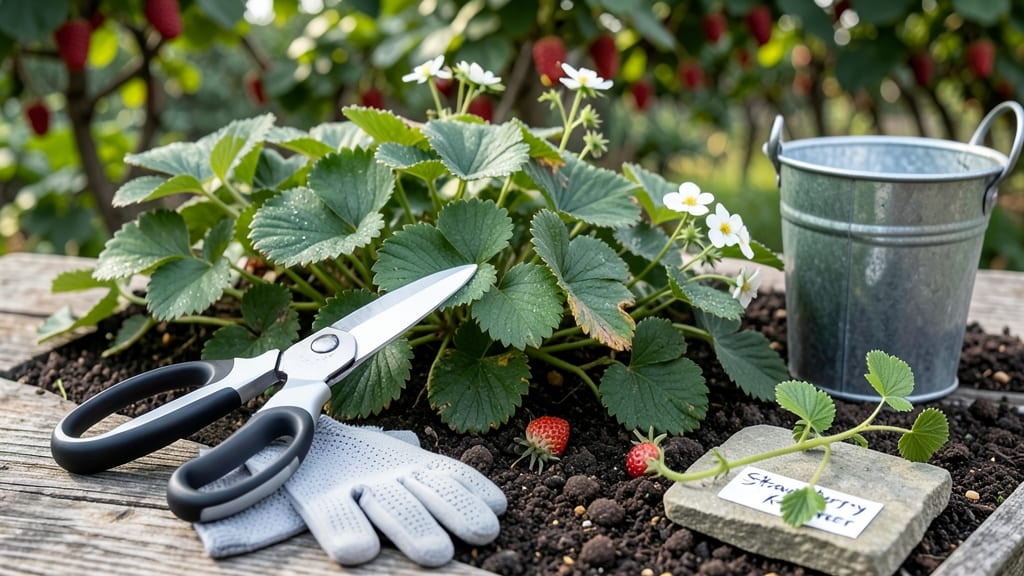
Cutting strawberry runners isn't just pruning—it's the secret to stronger parent plants and bigger harvests next year. ✂️ I used to let them sprawl everywhere, but after one season of controlled pruning, my berries doubled in size. The key? Timing matters more than you think.
You don't need fancy tools—just your hands and maybe a pair of scissors. The best time to trim runners is after fruiting season, when the plant has stored enough energy for regrowth.
Cut them back to about 2-3 inches from the main plant, and you'll encourage thicker stems and more fruit production.
What you'll get is a healthier mother plant that focuses energy on berries instead of spreading. My June-bearing varieties now produce 30% more fruit per plant, and the berries stay larger because the plant isn't divided between runners and fruit.
The trade-off? You'll need to decide whether to redirect some runners for new plants.
Here's the catch: don't overdo it. If you remove too many runners, the plant might struggle to recover. And if you wait too long—past early summer—the new growth won't have time to strengthen before winter. Balance is everything, and the results speak for themselves.
📚 In This Guide
- What you need
- Instructions
- Tips and common mistakes
- Wrapping up and next steps
What you need
- ● Strawberry plants – Healthy, mature plants with visible runners (long, thin stems with baby plants at the tips).
- ○ Gloves (optional but recommended) – A pair of gardening gloves (nitrile or cotton) to protect your hands from thorns and dirt.
- ● Water source – A garden hose or watering can to keep plants hydrated before and after pruning.
- ○ Sharp pruning shears (optional) – If you prefer a cleaner cut, use bypass pruners (sterilized with rubbing alcohol).
- ● Compost or mulch – A small bag of organic compost or straw mulch to cover the soil after pruning (reduces weeds and retains moisture).
- ● Plant markers (if propagating runners) – Popsicle sticks or small flags to label new strawberry plants if you’re replanting runners elsewhere.
- ● Disinfectant spray – A bottle of rubbing alcohol (70% or higher) or hydrogen peroxide (3%) to sterilize tools if you’re using pruners.
- ● Knee pad or stool – For comfort if you’re working in the garden for a while!
Step-by-step instructions for pruning strawberry runners
Here's how to keep your strawberry plants vigorous and productive without any special tools.
🌱 Step 1: Identify and Locate the Runners
Start by scanning your strawberry plants for the long, thin stems that grow outward from the mother plant—these are the runners. They typically appear in early summer and can grow up to 2 feet long if left unchecked. Look for the small plantlets forming at the tips, which are essentially baby strawberry plants trying to establish themselves.
Gently run your fingers along the soil surface to feel where the runners connect to the mother plant. You'll notice a small bump or node at the base where it meets the parent—this is where you'll make your cut. The runners will be most visible after watering, when the soil is slightly damp and the stems stand out more clearly against the ground.
✂️ Step 2: Pinch or Cut Runners at the Right Spot
Use your thumb and forefinger to pinch the runner just above the first set of leaves on the baby plantlet, about 1 inch from the mother plant. The goal is to remove the runner without damaging the mother plant or the tiny leaves on the new plantlet. If pinching feels too tricky, you can also use clean scissors or pruners to make a clean cut at the same spot.
Here's the thing—don't cut too close to the mother plant. Leaving even ½ inch of runner attached can cause the mother plant to waste energy trying to support the runner, which you don't want. You'll know you're doing it right when the runner breaks cleanly and the mother plant looks undisturbed. If you see any yellowing on the mother plant after pruning, you've gone too far.
🌿 Step 3: Remove Runners Completely
After pinching or cutting, gently pull the runner away from the mother plant. You don't need to yank hard—just enough to disconnect it entirely. If the runner is long, you can either coil it up and discard it or lay it flat on the soil surface to dry out. The key is to prevent any part of the runner from re-rooting, which would just create more work for you later.
For runners that have already rooted and formed new plantlets, you can either remove them entirely or transplant them to a separate area if you want to propagate more strawberry plants. Just be sure to dig up the whole rooted section carefully so you don't damage the delicate roots. You'll see the new plantlets have their own small root systems forming at the tips.
⏰ Step 4: Monitor and Repeat Regularly
Strawberry plants produce runners continuously throughout the growing season, so this isn't a one-time task. Check your plants every 1-2 weeks during the active growing months (spring through early fall) and remove any new runners as soon as they appear. The more consistently you prune, the more energy the mother plant will put into producing fruit instead of supporting new growth.
You'll notice a difference within a few weeks—your strawberry plants will look fuller, with larger leaves and more flowers. The berries will also be bigger and sweeter because the plant isn't dividing its energy between fruit production and runner growth. If you see runners starting to form again after you've pruned, don't panic—just keep up with the regular checks.
Tips & tricks for pruning strawberry runners
These no-fuss techniques will help you maintain your strawberry plants like a seasoned gardener—without any special tools or guesswork.
Timing Secret: The best time to prune runners is in the morning when the plants are fully hydrated. After watering your strawberries, the runners will stand out more clearly against the damp soil, making them easier to spot and remove. This also gives the plants time to recover before evening temperatures drop, reducing stress on the mother plant.
Pinch Technique: When you're pinching runners just above the first set of leaves (about 1 inch from the mother plant), use a quick, decisive motion. This prevents tearing the runner and damaging the delicate leaves on the baby plantlet. Think of it like snapping a green bean—clean and precise. If you're unsure, run your fingernail along the stem to create a weak point before pinching for easier removal.
Rooted Runner Strategy: For runners that have already rooted and formed new plantlets, you have two options: remove them completely or transplant them. If you choose to transplant, dig carefully around the rooted section to preserve those delicate baby roots. You can either replant these new plantlets in a separate area for propagation or compost them if you don't need more strawberry plants. The key is to avoid leaving any part of the runner connected to the mother plant.
Seasonal Maintenance: While you should check your plants every 1-2 weeks during spring through early fall, don't overdo it in late summer. By late August, strawberry plants start preparing for dormancy, and removing runners may stress them unnecessarily. Focus your efforts on the peak growing season when the plants have the most energy to redirect toward fruit production.
Pro Tips for Cut Runners Off Strawberry Plants
- These no-fuss techniques will help you maintain your strawberry plants like a seasoned gardener—without any special t...
- Timing Secret: The best time to prune runners is in the morning when the plants are fully hydrated. After watering yo...
- Pinch Technique: When you're pinching runners just above the first set of leaves (about 1 inch from the mother plant)...
Frequently asked questions
Got questions about cutting runners off strawberry plants? You’re not alone!
Here are answers to the most common queries to help you master this skill—whether you’re a beginner or a seasoned gardener.
When is the best time to cut runners from strawberry plants?
Cut runners after they’ve developed roots (about 4–6 inches long) but before they start flowering. This is usually in late spring to early summer. Avoid pruning during extreme heat or cold, as it stresses the plant. For everbearing varieties, time it right to maximize fruit production!
Do I need special tools to cut runners, or can I use my hands?
Nope! While sharp scissors or pruners make the job easier, you can pinch runners off with your fingers if they’re small. Just grip the runner close to the mother plant and snap it cleanly. For thicker runners, a clean cut prevents disease. Pro tip: Wear gloves—those runners can be prickly!
What should I do with the cut runners after removing them?
You’ve got options! Plant them in a separate bed to grow new strawberry plants, compost them for nutrient-rich soil, or discard them if they’re diseased. If you’re short on space, try tipping runners (bending them down to root) instead of cutting—it’s a great way to expand your patch without thinning!
My strawberry plant looks sad after cutting runners. Is this normal?
Don’t worry—it’s temporary! The plant may wilt slightly at first, but it’ll bounce back in 1–2 weeks. Focus on keeping the soil moist and providing shade if temps spike. Over time, the mother plant will redirect energy to fruit production. If yellowing leaves persist, check for pests or overwatering.
Can I cut runners from strawberries grown in containers or hanging baskets?
Container-grown strawberries often produce more runners due to limited space. Pinch or cut them off just like in-ground plants, but be mindful of crowding. If your container is small, removing runners helps the plant focus on fruiting. For hanging baskets, let a few runners grow to create a cascading effect—but prune aggressively to avoid root-bound stress.
Wrapping up and next steps
Cutting runners off strawberry plants is a simple yet powerful way to boost your harvest and keep your garden thriving! By following these easy steps—whether with your hands, a knife, or even a no-tool trick—you’ll encourage healthier mother plants and stronger berries. 🌱
Now that you’re armed with the know-how, take action this weekend! Start with just a few plants, observe the regrowth, and soon you’ll be enjoying an abundance of juicy strawberries. Happy gardening—your future harvest will thank you! 🍓✨