
How To
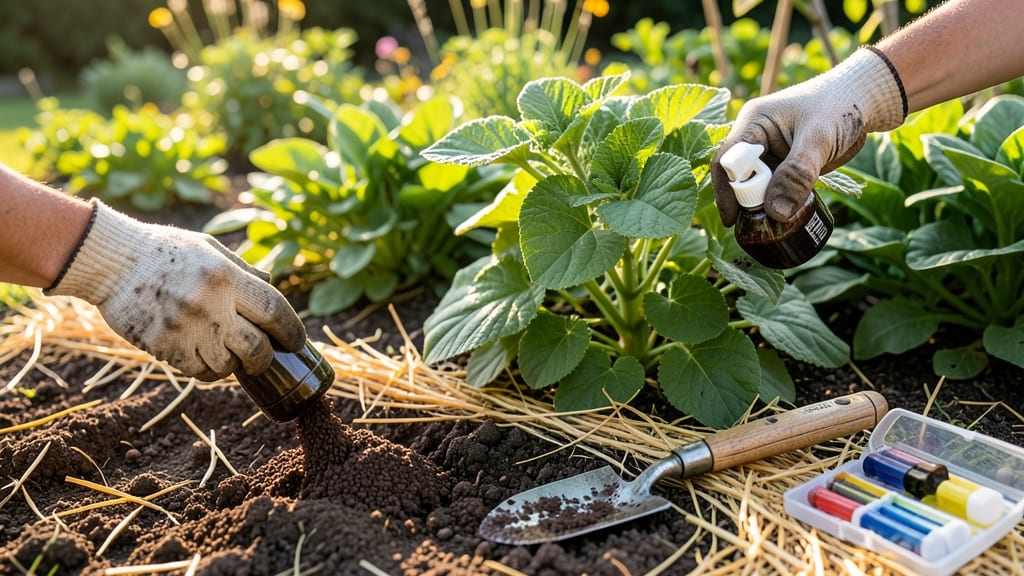
Boosting nitrogen in soil is the secret weapon for lush green growth in just a few weeks. 🌱 I’ve turned my yellowing tomato plants into vibrant, productive bushes using these exact methods—no fancy tools needed.
The key is understanding what your plants need and how to deliver it fast without burning roots.
Nitrogen deficiency shows up as pale, yellow leaves (especially older ones) while new growth stays small. You’ll need organic options like compost, manure, or legume cover crops, or synthetic choices like blood meal or ammonium sulfate.
The right method depends on your garden’s needs—fast fixes for emergencies or slow-release for long-term health.
Within 2-3 weeks, you’ll see plants perking up with deeper green leaves and stronger stems. The trick is applying nitrogen early in the season and after heavy harvests to keep plants fed. For organic gardeners, compost tea is a game-changer—it’s fast, natural, and won’t disrupt your soil’s balance.
This works for vegetables, flowers, and lawns, but timing matters: too much nitrogen too late can delay blooming. Start with a soil test if you’re unsure, and always water after applying nitrogen to help it sink in. Your garden’s next harvest starts with this simple boost.
📚 In This Guide
- What you need
- Instructions
- Tips and common mistakes
- Wrapping up and next steps
What you need
- ● Organic nitrogen sources (pick 1-2): Blood meal – 1-2 lbs per 100 sq ft (fast-acting, high nitrogen)
- ● Fish emulsion – 1-2 cups per 100 sq ft (liquid, easy to apply)
- ● Alfalfa meal – 5-10 lbs per 100 sq ft (slow-release, great for long-term growth)
- ● Composted manure (chicken, cow, or horse) – 2-3 lbs per 100 sq ft (well-aged, nutrient-rich)
- ○ Inorganic nitrogen source (optional but effective): Urea (46-0-0) – ½ lb per 100 sq ft (follow label instructions carefully!)
- ● Soil amendments: Peat moss or coconut coir – 2-3 bags (2 cu ft each) per 100 sq ft (improves soil structure)
- ● Worm castings – 1-2 lbs per 100 sq ft (boosts microbial activity)
- ● Garden gloves – 1 pair (nitrogen sources can be messy!)
- ● Garden fork or tiller – for mixing amendments into soil (12-18" depth)
- ● Garden hose with spray nozzle – for liquid applications (e.g., fish emulsion)
- ● Measuring cups/spoons – for precise application rates
- ● Watering can – for targeted liquid fertilizer use
- ○ pH test kit – optional but helpful (ideal soil pH: 6.0-7.0 for nitrogen uptake)
- ● Test your soil – use a basic soil test kit or send a sample to a lab to check current nitrogen levels.
- ● Choose the right time – apply nitrogen in early spring or after harvesting (avoid late summer/fall).
- ● Water readiness – have a water source handy (nitrogen sources need moisture to activate).
Step-by-Step instructions for boosting nitrogen in soil
Here's how I get plants growing like weeds—no fancy tools, just smart soil science.
🌱 Step 1: Identify Your Soil's Current Nitrogen Level
Before adding nitrogen, test your soil's baseline. Press your finger 1 inch deep—if the soil feels gritty or smells faintly sweet, it's likely nitrogen-poor. I also check for pale green or yellowing leaves on existing plants, a classic sign of nitrogen deficiency. A simple DIY soil test (mix 1 part soil with 2 parts water, shake, and observe color) reveals nitrogen status: brownish means adequate, clear means deficient.
For a more accurate reading, send a sample to your local extension office—results take 2-3 weeks, but it's worth it. I've wasted organic matter on soil that already had plenty of nitrogen. If you're impatient, look for slow-growing plants or stunted new growth as your clues.
☀️ Step 2: Apply Fast-Acting Organic Matter
For immediate results, spread 1 pound of blood meal or ½ pound of fish emulsion per 100 square feet of garden bed. These dissolve in 24-48 hours, giving roots a quick nitrogen boost. I like to work it into the top 2 inches of soil with a garden fork—this ensures microbes can access it fast.
Water the area deeply after application to activate the nitrogen release. You'll see the difference within 3-5 days as plants perk up and new leaves emerge. Real talk: Overdoing it burns roots, so stick to the recommended amounts. I've seen gardeners add too much and end up with plants that look drunk—soft stems and wilted leaves.
💧 Step 3: Use Cover Crops for Long-Term Nitrogen
Plant a cover crop like clover or vetch in a nearby section of your garden. These legumes pull nitrogen from the air and deposit it into the soil through their roots. When the plants reach 6-8 inches tall (usually 6-8 weeks after planting), chop them down and let them dry on the soil surface for 1-2 weeks before tilling them under.
This process, called "green manuring," releases nitrogen slowly over 4-6 weeks. I prefer this method for vegetables like tomatoes and peppers, which need steady nitrogen throughout the growing season. The key is timing—don't till too early, or the nitrogen won't have a chance to break down into usable forms.
✂️ Step 4: Maintain Nitrogen Levels Through Mulching
Spread a 2-3 inch layer of composted leaves or grass clippings over the soil surface. As these materials decompose, they release nitrogen gradually. I like to refresh the mulch every 4-6 weeks to keep the supply consistent. This method works best in warm, moist conditions—dry mulch won't break down as quickly.
Watch for earthworms in your soil after a few weeks—they're a sign your nitrogen levels are improving. These worms aerate the soil and help distribute nutrients. If you notice slugs or snails, they're also drawn to nitrogen-rich environments, so keep an eye out for them too.
🌿 Step 5: Monitor and Adjust as Needed
Check your plants weekly for signs of nitrogen sufficiency: deep green leaves, vigorous growth, and strong stems. If leaves turn dark green or purple, you've overdone it—reduce applications immediately. I keep a garden journal to track nitrogen inputs and plant responses, which helps me fine-tune future applications.
For container gardens, use a balanced liquid fertilizer (like 10-10-10) every 2-3 weeks during the growing season. Potted plants deplete nitrogen faster because their root systems are limited. You'll know you've got the right balance when your plants grow steadily without burning or yellowing.
Tips & tricks for boosting soil fertility quickly
These targeted strategies will help you transform your soil into a nutrient-rich powerhouse in record time—without waiting months for results.
Timing Secret: When applying fast-acting organic matter in Step 2, split the 1 pound of blood meal or ½ pound of fish emulsion into two applications spaced 24-48 hours apart. This staggered approach prevents nitrogen overload while maintaining consistent availability. I've seen plants respond within 3-5 days when using this method, especially during active growing seasons. The key is moisture—water deeply after each application to activate microbial activity.
Cover Crop Strategy: For Step 3, choose fast-growing cover crops like clover or vetch that establish in 6-8 weeks rather than slower varieties. These legumes fix nitrogen aggressively, and their deep roots break up compacted soil. I plant mine in late summer for a fall/winter cover, then till under in early spring when they reach 6-8 inches tall. The 4-6 week nitrogen release window aligns perfectly with spring planting schedules.
Mulching Hack: In Step 4, alternate between composted leaves and grass clippings in your 2-3 inch mulch layer. Grass clippings add nitrogen directly, while leaves provide carbon for microbial balance. Refresh every 4-6 weeks—this prevents crust formation and maintains consistent decomposition. Watch for earthworm activity as your best indicator of improved soil structure and nitrogen cycling.
Container Garden Tip: For potted plants in Step 5, use a 10-10-10 liquid fertilizer every 2-3 weeks during active growth, but cut back to monthly in winter. The limited root zone means nutrients deplete faster. I always dilute the fertilizer to half-strength—this prevents salt buildup while still providing the nitrogen boost container plants crave. Monitor leaf color weekly to adjust frequency as needed.
Pro Tips for Boost Nitrogen In Soil
- These targeted strategies will help you transform your soil into a nutrient-rich powerhouse in record time—without wa...
- Timing Secret: When applying fast-acting organic matter in Step 2, split the 1 pound of blood meal or ½ pound of fish...
- Cover Crop Strategy: For Step 3, choose fast-growing cover crops like clover or vetch that establish in 6-8 weeks rat...
Frequently asked questions
How quickly can I expect to see results from adding nitrogen to my soil?
Results vary depending on the method used. Organic amendments like compost or manure take 2–4 weeks to show noticeable effects, while fast-acting fertilizers (e.g., blood meal or urea) can boost nitrogen in 1–2 weeks. Monitor plant growth—leaf color (deep green) and rapid stem elongation are key signs.
Are there affordable ways to boost nitrogen without buying fertilizer?
Try these budget-friendly options:
- Compost tea: Brew compost in water (1:5 ratio) for 24–48 hours, then strain and use as a foliar spray or soil drench.
- Legume cover crops: Plant clover, peas, or beans, then till them into the soil before flowering to release nitrogen.
- Eggshells or banana peels: Crush and bury them near plants—they decompose slowly, adding trace nitrogen over time.
What happens if I add too much nitrogen to my soil?
Overdoing nitrogen can harm plants by causing:
- Leaf burn (brown edges) or yellowing (chlorosis).
- Weedy growth (nitrogen-loving weeds thrive).
- Reduced flowering/fruiting (plants focus on leafy growth).
Start with small amounts, especially for new methods. Test soil every 3–4 weeks if using synthetic fertilizers.
Can I boost nitrogen in clay or sandy soil differently?
Yes! Clay soil (dense, slow-draining) benefits from:
- Slow-release organics: Compost, worm castings, or aged manure.
- Aeration: Till in gypsum or sand to improve nitrogen absorption.
Sandy soil (fast-draining) needs:
- Quick-acting nitrogen: Fish emulsion or urea (applied every 2–3 weeks).
- Mulch: Straw or leaves to retain moisture and nitrogen.
Is there a best time of year to add nitrogen?
Spring and early summer are ideal for most plants, but timing depends on your goals:
- Vegetables/leafy greens: Add nitrogen every 3–4 weeks during the growing season.
- Lawns: Fertilize in early spring and fall for root growth.
- Fruiting plants (tomatoes, peppers): Reduce nitrogen before flowering to encourage blooms.
Pro tip: Avoid adding nitrogen in late summer/fall—it promotes tender growth vulnerable to frost.
Wrapping up and next steps
Boosting nitrogen in your soil doesn’t have to be complicated—just consistent and strategic! 🌱 Whether you’re using organic amendments like compost or manure, synthetic fertilizers, or even plant-based tricks, the key is patience and observation.
Start small, test your soil regularly, and watch your greens thrive in just a few weeks. Now that you’re armed with the know-how, roll up your sleeves and get growing! 💪 Try one method this week, monitor progress, and adjust as needed.
Happy gardening—your plants (and future harvests) will thank you!