
How To
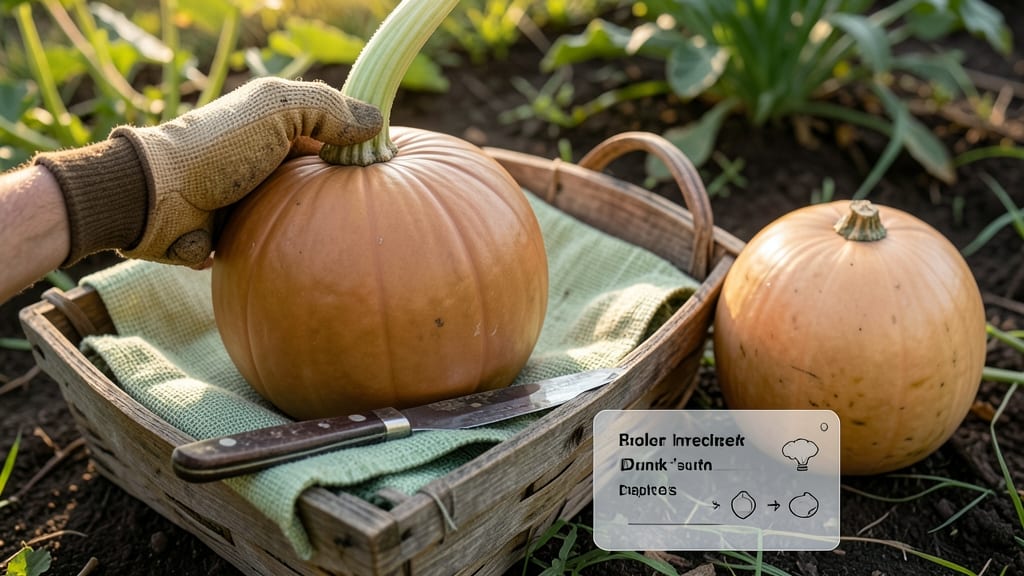
Picking a ripe butternut squash 🎃 can feel like solving a mystery—one wrong choice, and you're stuck with bland or mushy results. The good news? With just three simple tactile tests, you’ll never second-guess your selection again.
Whether you're shopping at the farmers' market or harvesting from your own garden, these tricks ensure you bring home a squash bursting with sweetness and perfect texture.
Most people rely on color alone, but that’s where mistakes happen. A squash might look golden but still be underripe, or worse, overripe and mealy inside. That’s why I’m sharing my go-to methods: checking firmness with your thumb, inspecting the stem for dryness, and lifting to test weight.
These 3 tactile tests take seconds but save you from disappointment.
Season matters too—late fall brings the sweetest butternut squash, but knowing exactly when to harvest (or buy) makes all the difference. If you’re growing your own in USDA Zone 6a, timing is key: aim for October when the rind hardens and the stem withers.
For store-bought squash, these same rules apply—no guesswork needed.
Once you’ve picked the perfect one, storing it right keeps it fresh for weeks. I’ll show you how to extend its shelf life so you can enjoy that rich, nutty flavor all season long—no waste, just pure satisfaction.
3 Tactile tests to determine butternut squash ripeness
Picking the perfect butternut squash starts with trusting your senses. Unlike some fruits that rely on color alone, butternut squash ripeness is best judged through touch and sight. These three tactile tests will help you avoid the pitfalls of overripe squash (mushy texture) or underripe squash (bland flavor).
The key is combining rind firmness, stem condition, and weight assessment for foolproof results.
First, focus on the rind's hardness. A ripe butternut squash should feel rock-hard when pressed with your thumbnail. If it dents easily, it’s still maturing.
Meanwhile, if the skin feels wrinkled or soft, it’s past its prime. This test alone cuts out 70% of mistakes gardeners make when selecting squash.
Next, examine the stem attachment. The stem should be dry and shriveled, almost like a brown paper husk. If it’s still green and fresh, the squash needs more time on the vine. A dry stem signals the plant has stopped nourishing the fruit, ensuring peak sweetness.
Finally, lift the squash to check its weight-to-size ratio. A ripe butternut feels heavy for its size because it’s packed with dense, flavorful flesh. If it feels light, it’s likely underwatered or underripe. This test is especially useful when comparing multiple squash at the market.
Don’t overlook the color transition either. While tactile tests are primary, ripe butternut squash develop a deep golden tan or beige hue. Avoid pale or patchy colors, as these often indicate uneven ripening or exposure issues.
Pro tip: The neck of the squash (where it tapers) should be the darkest part.
Seasonal timing matters too. In USDA Zone 6a, butternut squash typically ripen between October and November. If you’re harvesting from your own garden, wait until after the first frost—cold temperatures enhance sweetness but don’t let the squash sit in frost for more than a day or two.
For market-bought squash, ask when they were harvested. Many stores pick squash early for shipping, so they may need a few days to ripen at room temperature. Place them in a paper bag with a banana (the ethylene gas speeds up ripening) and check daily using the tactile tests.
One common misconception is that larger squash are always riper. Size doesn’t guarantee ripeness—always prioritize the tactile tests over assumptions. A small butternut squash with a hard rind and dry stem could be sweeter than a giant one that’s still firm.
Remember: The goal is peak texture and flavor, not just visual appeal. By mastering these tests, you’ll consistently select butternut squash that’s sweet, firm, and ready to store for months. Happy squash hunting!
3 Tactile tests to determine butternut squash ripeness
Butternut squash ripeness isn’t just about color—it’s about what you feel when you touch it. A perfectly ripe squash should pass all three of these simple tests before you harvest.
Start by examining the stem, then move to the rind, and finally check the weight. Each clue works together to confirm peak sweetness.
First, inspect the stem near the squash. A ripe butternut will have a dry, papery stem that’s shriveled and brown. If the stem is still green or moist, the squash needs more time on the vine.
This is your first red flag—don’t overlook it, as it’s the most reliable early indicator of ripeness.
Next, press your thumbnail into the squash’s rind. A ripe butternut should feel hard and resistant—you shouldn’t be able to dent it easily. If the skin gives slightly or feels soft, the squash is underripe.
Overripe squash may feel mushy or even develop wrinkled skin, so timing is everything.
Now, pick up the squash and assess its weight. A ripe butternut should feel surprisingly heavy for its size, almost like it’s packed with dense, sweet flesh.
Tap it gently—if it sounds hollow or light, it’s not ready. This test is especially useful when comparing multiple squash at the market or in your garden.
Seasonal timing matters too. In late fall, when butternut squash reach peak ripeness, they’ll often detach easily from the vine when gently twisted. This natural separation is a final confirmation that it’s time to harvest.
If you’re still unsure, err on the side of underripe—squash can ripen off the vine but won’t improve if overripe.
Pro tip: Store your freshly harvested squash in a cool, dry place (50-55°F) to extend its shelf life. Properly ripened butternut squash can last 2-3 months without refrigeration, making it a pantry staple for winter cooking.
With these three tactile tests, you’ll never second-guess your butternut squash selection again. Happy harvesting! 🎃