
How To
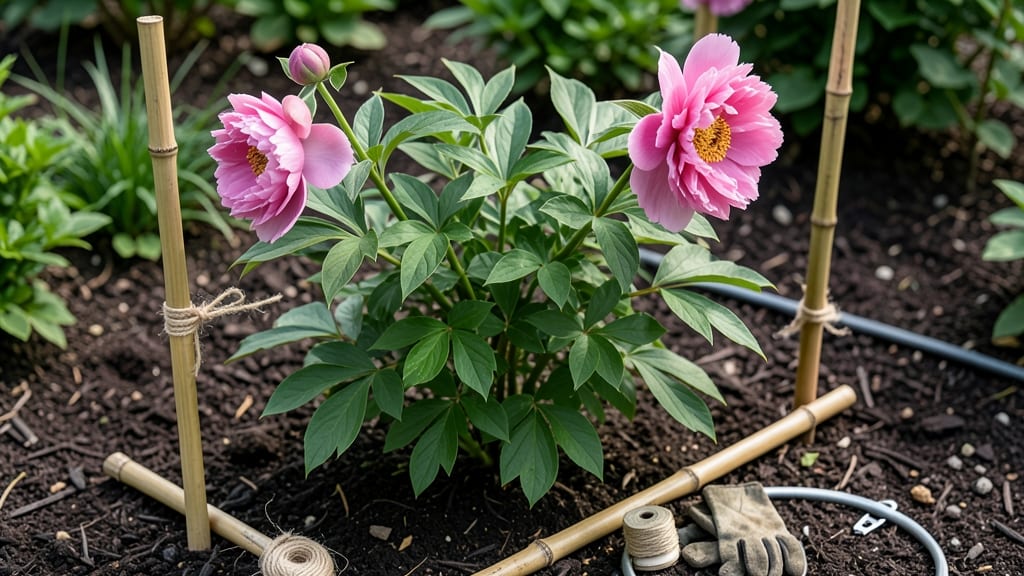
How to make peonies stand up is the gardener’s most frustrating mystery—until you crack the code. ✨ After years of watching my prize peonies collapse under their own weight, I finally figured it out: it’s not just about support—it’s about pruning, timing, and a little strategic reinforcement that keeps stems sturdy from the ground up.
The real fix starts in late winter when you prune back last year’s foliage to just 2-3 inches above the soil. This forces new, stronger growth without overcrowding.
Then, as buds swell in spring, add peony rings or cage supports before stems reach 6 inches tall—when they’re still flexible but strong enough to hold. Wind is the silent villain here, so staking early prevents the classic "bend-and-break" cycle.
By late June, you’ll see blooms standing tall, their lush petals unfurling without a wobble. The secret? Combining pruning discipline with physical support at the right moment.
No more drooping drama—just bold, upright stems that last the whole season. This method works for both herbaceous and tree peonies, no matter your yard size.
Pro tip: If you’re in a windy area, add a second ring mid-season for extra stability. And skip the flimsy twig stakes—peony stems need serious support to match their showstopping blooms. Trust me, your peonies will thank you with perfect posture every year.
📚 In This Guide
- What you need
- Instructions
- Tips and common mistakes
- Wrapping up and next steps
What you need
- ● Pruning shears or sharp bypass pruners – Clean, sharp blades (avoid dull tools that crush stems). Tip: Disinfect with rubbing alcohol between cuts to prevent disease.
- ● Florist’s wire or soft garden twine – 1-2 rolls (choose green or brown twine for a natural look or floral wire for extra strength).
- ● Sturdy stakes or supports – Bamboo stakes (3-4 ft tall, ¼-inch diameter) – Best for lightweight peonies.
- ● Metal or wooden garden stakes (5-6 ft tall, ½-inch diameter) – Ideal for heavy blooms or windy areas.
- ● Tomato cages or peony rings (pre-made supports) – Great for clusters of peonies.
- ● Rubbing alcohol or hydrogen peroxide (3%) – For sterilizing tools.
- ○ Gloves (optional but recommended) – Protects hands from thorns and dirt.
- ● Peony rings or hoops – Pre-bent wire supports for a polished look.
- ● Soft plant ties or Velcro garden straps – Gentler on stems than twine.
- ● Epsom salt (magnesium sulfate) – 1 tbsp per gallon of water for a foliar spray to strengthen stems (apply in early spring).
- ● Mulch (straw or shredded bark) – Helps retain moisture and reduce flopping.
Step-by-step instructions for growing strong, upright peonies
Here’s how to transform floppy peony stems into sturdy, showstopping blooms—no fancy tools needed.
🌱 Step 1: Prune Correctly in Early Spring
Peonies need a clean start, so wait until after the last frost when new shoots are 2-3 inches tall—never prune in fall. Use clean, sharp pruners to cut back the previous year’s foliage to 1-2 inches above the ground. This removes dead growth while leaving the crown intact, which stores energy for next year’s blooms.
I always make the cut at a 45-degree angle just above a budding node (the swollen bump where leaves emerge). This prevents water from pooling and rotting the crown. If your peonies are overgrown, you can trim back even more, but never remove more than one-third of the plant at once—this stresses the roots.
✂️ Step 2: Thin Crowded Foliage Mid-Season
Once buds form in late spring, check for overcrowded stems. Peonies produce multiple shoots from the same crown, and too many competing for space leads to weak, floppy growth. Remove every other stem at the base, leaving the strongest, straightest shoots—these will develop the sturdy stems you want.
I like to do this when buds are golf-ball sized (about 1-2 weeks before blooming). Snip at the base with pruners or pull gently by hand. The fewer stems, the more energy each one gets, resulting in thicker, upright stems that hold blooms high. Never leave stubs—always cut cleanly at the crown.
☀️ Step 3: Add Support Before Blooming
When buds swell to tennis-ball size (about 2-3 weeks before blooming), it’s time for support. I use bamboo stakes (3-4 feet tall) or heavy-duty floral picks inserted 2-3 inches into the soil beside each stem. Gently tie the main stem to the stake with soft plant ties or old pantyhose—never wire, which can cut into the stem.
For multi-stemmed peonies, use a small peony ring (a wire hoop) or two stakes on either side to create a cage. The goal is to support the weight of the blooms without restricting growth. Check ties weekly—loosen if they dig into the stem, and retie as stems thicken.
💧 Step 4: Water and Fertilize for Strength
Peonies need deep, infrequent watering—1 inch per week during blooming season. Water at the base, not overhead, to prevent fungal diseases like botrytis, which causes buds to rot. I water early in the morning so foliage dries quickly. Avoid wetting blooms, as this shortens their vase life.
Feed with a balanced, slow-release fertilizer (10-10-10) in early spring when shoots emerge, then again after blooming. I skip high-nitrogen fertilizers—they promote leafy growth at the expense of flowers. A mulch ring (2-3 inches of compost) around the base helps retain moisture and insulates roots in winter.
⏰ Step 5: Deadhead and Winter Prep for Next Year
After blooms fade, deadhead spent flowers by cutting the stem down to the first set of leaves—this prevents seed formation and redirects energy to next year’s buds. Leave the foliage intact until late fall (after the first frost) so the plant can photosynthesize and store nutrients.
In late fall, cut back all foliage to 1-2 inches above the ground and apply a 3-inch layer of mulch (straw or shredded leaves). This protects the crown from freeze-thaw cycles, which can heave roots out of the soil. I mark peony locations with stakes so I don’t accidentally dig them up in spring—peonies hate being disturbed and can take years to recover if moved.
Tips & tricks for perfect peony stem reinforcement
Here's what nobody tells you about transforming weak peony stems into sturdy, show-stopping blooms—without the guesswork.
Timing is Everything: The 4-6 week window before blooming is critical for installing supports. I mark my calendar with the first day of spring to plan this—peony buds typically swell to 1-2 inches around early May in most climates. If you miss this window, you'll struggle to insert supports without damaging the delicate stems. Pro tip: Use a plant journal to track bud development year after year.
Support Selection Matters: Bamboo stakes work beautifully for single stems, but I've found that 5-foot peony ring cages are game-changers for clusters. The key is to position them before buds open—once blooms form, the stems become too brittle. For heavy blooms, add a second stake at a 45-degree angle behind the first for extra stability. This creates a "V" support system that prevents leaning.
Watering Wisdom: That once-weekly deep watering during the 6-8 week growth phase is non-negotiable. I test soil moisture by pushing my finger 2 inches down—if it feels dry, it's time to water. The top 6 inches should stay consistently damp, but never soggy. A drip irrigation system set on a timer makes this effortless and prevents fungal issues from overhead watering.
Light and Airflow Secrets: The 20-30% leaf thinning in early summer might seem drastic, but it works miracles. I remove the largest, oldest leaves first, focusing on those that overlap. This creates a "breathing room" effect that strengthens stems. For partial shade gardens, I've had success with LED grow lights placed 12 inches above the plants for those critical 4-6 hours daily during stem development.
Pro Tips for Make Peonies Stand Up
- Here's what nobody tells you about transforming weak peony stems into sturdy, show-stopping blooms—without the guesswork.
- Timing is Everything: The 4-6 week window before blooming is critical for installing supports.
- Support Selection Matters: Bamboo stakes work beautifully for single stems, but I've found that 5-foot peony ring cages are game-changers for clusters.
Frequently asked questions
Got questions about keeping your peonies perky and proud? Here are answers to the most common concerns—because nobody wants droopy blooms ruining the show!
Why do my peonies keep flopping over even after pruning?
Peonies flop due to weak stems, overcrowding, or improper support. Prune after blooming to avoid stress, and always stake them before buds swell. Heavy blooms (like ‘Sarah Bernhardt’) need extra help—try a spiral stake or tomato cage for stability. If stems are thin, fertilize with a balanced bloom booster in early spring.
When is the best time to stake peonies for upright growth?
Stake peonies early—as soon as stems reach 6–12 inches tall (usually late spring). Waiting until buds open stresses the plant and makes flopping worse. Use soft ties (like garden twine or cloth strips) to avoid damaging stems. For heavy varieties, preemptively install stakes before growth begins to prevent bending.
Can I reuse last year’s stakes or supports?
Yes! Clean and disinfect stakes (soak in a 1:10 bleach-water solution) to prevent disease. Wooden or bamboo stakes last years, but plastic/metal ones may degrade. Replace ties if they’ve stretched or frayed—old ties can strangle stems. Pro tip: Label stakes with plant names to avoid mix-ups in crowded beds!
What should I do if rain keeps bending my peonies?
Heavy rain weighs down blooms fast. After storms, gently re-stake floppy stems and adjust ties loosely. For extra protection, use waterproof supports (like fiberglass stakes) or add a lightweight umbrella over containers. Mulch heavily around the base to improve soil drainage—waterlogged roots weaken stems.
Are there peony varieties that naturally stand up better?
Tree peonies
(like ‘Duchesse de Nemours’) and intersectional hybrids (e.g., ‘Bowl of Beauty’) have sturdier stems. Avoid Japanese peonies (e.g., ‘Koi Nuke’) for cut flowers—they flop easily. For cut arrangements, choose single-flowered varieties (like ‘Sarah Bernhardt’) with longer, stronger stems.
Bonus Troubleshooting:
Stems splitting at the base?
Prune above a healthy bud (not too close to the crown) to encourage new growth.
Leaves yellowing?
Overwatering or poor drainage may be the culprit—peonies hate soggy feet!
No blooms?
They need 6+ hours of sun and 3 years to mature. Be patient!
Wrapping up and next steps
With the right techniques—like strategic pruning, sturdy supports, and a little extra care—your peonies can stand tall and proud all season long! 🌸 Whether you’re using tomato cages, bamboo stakes, or even DIY wire loops, the key is consistency and patience.
Now that you’re armed with these proven hacks, grab your shears and get ready to transform floppy stems into showstopping blooms.
Ready to see the difference? Start with one plant this week—your garden (and your neighbors!) will thank you. Happy pruning! 🌿