
Blooming
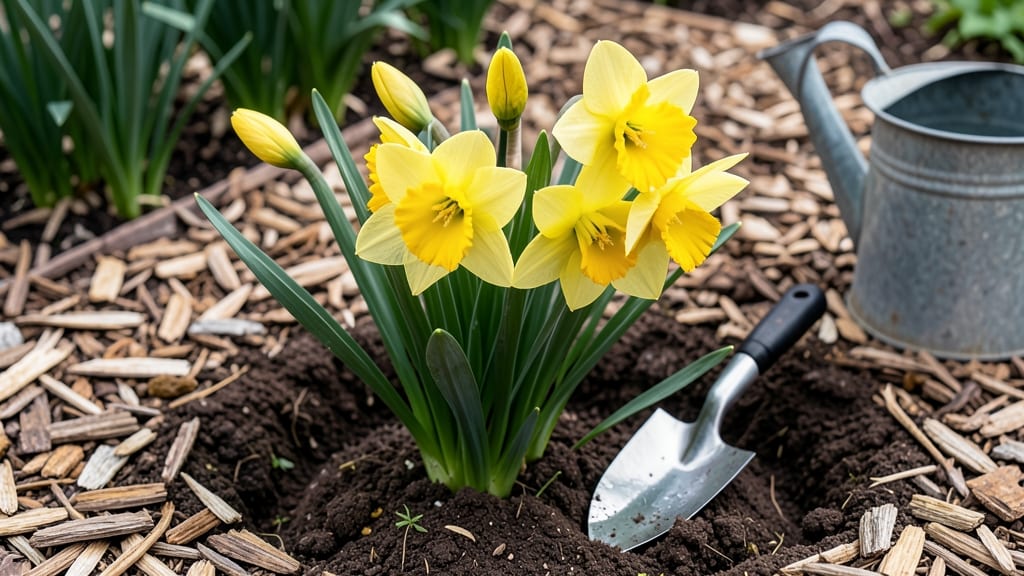
Want to turn your garden into a year-round showstopper with how to make daffodils bloom earlier and brighter? The secret isn’t luck—it’s science-backed timing and care that most gardeners overlook.
These cheerful 🌼 flowers thrive when you mimic their natural cycles, and with the right tricks, you can coax them into flowering weeks ahead of schedule.
Picture this: golden trumpets popping up in late winter or lasting well into spring, even in Zone 6a. It’s possible if you start with the perfect planting window—September to November—and give your bulbs the right conditions.
I’ll show you how to tweak sunlight, soil, and watering to trigger those vibrant blooms without the guesswork.
From forcing indoor blooms for holidays to extending outdoor displays, the key lies in understanding what daffodils really need. Too much water? That’s a common mistake. Too little sun? You’ll miss the prime bloom window. Let’s fix that—so you can enjoy longer, more abundant flowers with minimal effort.
Ready to transform your garden? I’ll walk you through every step—from soil prep to seasonal care—so you can enjoy daffodils blooming when and how you want. No more waiting for spring to arrive!
The science behind daffodil blooming: key conditions for early, abundant flowers
Daffodils bloom based on a delicate balance of light, temperature, and soil conditions. Unlike many flowers, they need a cold period (vernalization) followed by warm days to trigger blooming. Understanding these triggers lets you control their bloom time—even weeks earlier than nature’s schedule!
Most gardeners assume daffodils bloom only in spring, but with the right adjustments, you can push blooms to Christmas or extend them into summer. The secret lies in manipulating their dormancy and growth cycles.
Let’s break down the science so you can force those cheerful blooms when you want them.
Light exposure is critical—daffodils need 6+ hours of sunlight daily to bloom well. Without enough light, they’ll produce fewer or smaller flowers. Temperature swings also play a role: bulbs need 60°F days and 40°F nights to bloom reliably. Too much heat or cold can delay or prevent blooming entirely.
Soil health is often overlooked but just as important. Daffodils thrive in well-draining, slightly acidic soil (pH 6.0-7.0). Compacted or waterlogged soil can stress bulbs, leading to poor or no blooms.
Amending your soil with compost or sand ensures bulbs get the nutrients they need to store energy for next year’s blooms.
Watering habits also impact blooming. Too much water can rot bulbs, while too little causes dormancy. Aim for deep watering once a week (or more in drought) to keep soil moist but not soggy. Mulching with organic matter helps retain moisture and insulate bulbs during temperature shifts.
Here’s how these factors work together to trigger blooming:
| Factor | Ideal Condition | What Happens If Wrong? |
|---|---|---|
| Light | 6+ hours direct sunlight daily | Fewer or smaller blooms; weak stems |
| Temperature | 60°F days, 40°F nights | Blooms delayed or cancelled; bulbs may rot |
| Soil | Well-draining, pH 6.0-7.0, rich in compost | Bulbs rot or fail to bloom; poor nutrient uptake |
| Water | Deep soak weekly; mulched soil | Bulbs dry out or rot; blooms stunted |
| Fertilizer | Balanced 10-10-10 in early spring | No blooms; weak foliage; bulb burn |
One of the most effective ways to force blooming is by controlling dormancy. Daffodils need a cooling period (like winter) to break dormancy. If you plant bulbs in fall and let them naturalize, they’ll bloom next spring.
But if you want Christmas blooms, you’ll need to trick them into thinking winter is over by chilling them in a cool, dark place for 12-16 weeks before bringing them into warmth.
Another pro tip: Deadheading spent blooms (removing faded flowers) encourages the bulb to store more energy for next year’s blooms. However, never cut the foliage until it yellows naturally—this is how the bulb feeds itself for future growth. Skipping this step can reduce or eliminate blooms the following year.
Choosing the right daffodil varieties also makes a difference. Some, like ‘Ice Follies’ or ‘Tête-à-Tête’, bloom earlier and longer than traditional types. Others, like ‘Paperwhite’, don’t need a cold period at all and can bloom indoors year-round with proper care.
Mixing varieties in your garden ensures continuous color from late winter to early summer.
Finally, patience is key. Daffodils take 2-3 years to reach their full blooming potential after planting. In that time, they’re building roots and storing energy. Rushing the process—like over-fertilizing or digging up bulbs too soon—can delay
Outdoor hacks to extend daffodil blooming season: deadheading, fertilizing, and variety selection
Want your daffodils to put on a show longer than just a few weeks? The secret lies in three simple outdoor hacks: deadheading, smart fertilizing, and choosing the right varieties.
These techniques can stretch your blooms from a brief spring burst to a prolonged display that brightens your garden for weeks.
First, let’s tackle deadheading—the easiest way to trick your daffodils into reblooming. When you remove spent flowers, you’re signaling the plant to redirect its energy from seed production back into growing new blooms.
Use clean, sharp pruning shears and snip just above the first set of leaves to avoid damaging the foliage.
Next, fertilizing at the right time makes all the difference. Daffodils thrive on a balanced 10-10-10 fertilizer applied in early spring as the leaves emerge. This gives them the nutrients they need to produce strong stems and vibrant blooms.
Avoid fertilizing in late summer or fall, as it can encourage weak growth before winter.
Finally, variety selection is key. Not all daffodils rebloom, but some reliable repeat bloomers like 'Ice Follies' and 'Tête-à-Tête' can produce a second flush of flowers with proper care. These varieties are bred for longevity and respond well to deadheading and consistent watering.
Pro Tip for Prolonged Blooms
After deadheading, leave the foliage intact until it yellows naturally. This ensures the bulb stores enough energy for next year’s blooms. Cutting back too soon can weaken future flower production.
For extra-long blooms, mulch around the base with 2-3 inches of organic mulch (like shredded bark) to retain moisture and regulate soil temperature.
Don’t forget to protect your daffodils from pests like squirrels and deer, which love to dig up bulbs. Use chicken wire cages or plant them in well-trafficked areas where critters are less likely to bother them.
A little prevention goes a long way in keeping your garden vibrant and pest-free.
With these outdoor hacks, your daffodils will reward you with a longer, more abundant display year after year. The key is consistency—deadhead regularly, fertilize at the right time, and choose the right varieties to maximize their potential.