How To
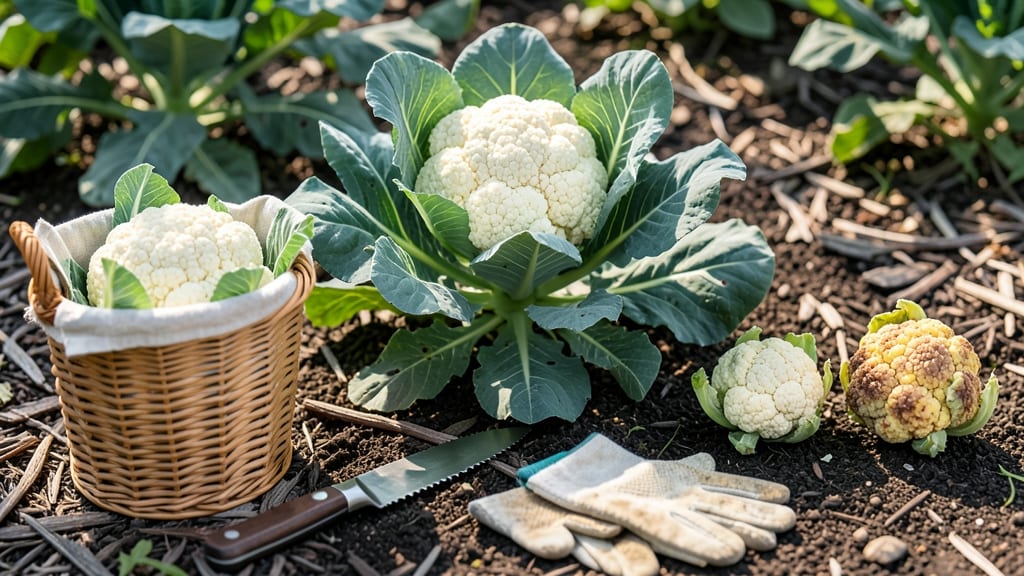
How to know when to harvest cauliflower can mean the difference between a tender, flavorful head and a bitter, woody mess—or worse, watching your plant bolt before you even get a chance to enjoy it.
Most gardeners assume harvest timing is just about counting days, but the truth is far more visual. The key lies in three simple but critical signs: curd tightness, size, and color consistency.
Miss these cues, and you might end up with a head that splits or turns tough before you can use it.
I’ve grown cauliflower in USDA Zone 6a for years, and let me tell you—harvesting at the perfect moment isn’t just luck. It’s about reading your plant’s signals, from the way the leaves yellow around the head to the firmness of the curds.
Even the variety matters: purple cauliflower, for example, matures faster than Romanesco, and orange types need just the right balance of heat.
In this guide, I’ll walk you through the exact visual checks and environmental factors to time your harvest like a pro—so you can enjoy that first crisp bite of summer’s best crop, every time.


3 Key visual signs your cauliflower is ready for harvest
Timing your cauliflower harvest correctly ensures tender, flavorful florets instead of woody, bitter heads. The three foolproof visual cues—curd size, color, and tightness—work together to signal peak ripeness. Ignore these signs, and you risk overmaturity or underdeveloped heads that never reach their full potential.
First, focus on the head diameter. A perfectly ripe cauliflower typically measures between 6 to 8 inches across. Smaller heads may still need time, while larger ones risk splitting or developing a tough texture. Use a tape measure for accuracy, especially if growing heirloom varieties with irregular shapes.
Next, examine the color consistency. White cauliflower should have a uniform, creamy hue without yellowing or browning. Purple varieties like 'Graffiti' develop deep, even tones, while orange cauliflower (like 'Cheddar') turns a rich amber. Uneven coloring often means the head is overripe or stressed.
The most critical test? The finger test for tightness. Gently press your fingertip into the curd. If it feels firm with no give, it’s ready. If the florets separate easily, harvest sooner. Overly tight heads may still need a few days, while loose ones are past their prime.
📌 3 Non-Negotiable Harvest Signs
- 📏 Size: 6-8 inches in diameter (varies by variety)
- 🎨 Color: Uniform and vibrant (no browning or yellowing)
- 👆 Tightness: Firm florets that resist gentle finger pressure
Pro Tip: Check heads daily during the last 5-7 days of maturity to catch the perfect window.
Don’t overlook the outer leaves surrounding the head. When they start turning yellow or brown at the base, it’s a clear signal that the curd is nearing peak ripeness. Healthy green leaves mean more time is needed, while wilted or dying leaves indicate the head may already be overripe.
One common mistake is assuming all cauliflower varieties mature at the same rate. Purple and Romanesco varieties often take 5-10 days longer to reach harvest size compared to standard white types. Always check the seed packet or plant tag for days to maturity and adjust your timeline accordingly.
Environmental factors like temperature swings can also affect timing. Cool evenings (50-65°F) and warm days (70-80°F) create ideal growing conditions, while extreme heat or cold slows development. If your plants are struggling, prioritize consistent moisture and partial shade during heatwaves.
For container growers, harvest readiness is even more critical since space is limited. Smaller varieties like 'Snowball Y Improved' mature faster (around 60 days) and may produce multiple heads per plant. Harvest the first head when ready, then monitor the plant for side shoots that may develop later.
If you’re unsure whether your cauliflower is ready, harvest a test head and taste it. Perfectly ripe florets should be tender, slightly sweet, and snap cleanly when bent. Overripe cauliflower tastes bitter and fibrous—a clear sign you waited too long.
Remember: Timing is everything with cauliflower. Master these visual cues, and you’ll enjoy a bumper crop of restaurant-quality florets all season long. 🥬
How to check curd tightness: the finger test method
Cauliflower curds should feel like a firm, unopened bouquet—not too loose or overly compact. The finger test is my go-to trick to check maturity without guessing. Gently press your thumb and forefinger into the center of the curd.
If it gives slightly but holds its shape, it's ready. If it feels rock-hard or crumbles easily, it's past its prime.
Overly firm curds often mean the plant is stressed from heat or drought, while mushy ones signal overwatering or late harvesting. For tight curds, harvest within 24 hours—they’ll only loosen as buds open.
If your curds split prematurely, it’s usually due to rapid growth or uneven watering. In this case, harvest the largest pieces first and let the rest mature for a second harvest.
🚨 CRITICAL: Never harvest when the outer leaves yellow around the head—this is a late sign of maturity. By then, the curd may already be woody or bitter. Instead, watch for tight florets and harvest before buds open, even if the leaves are still green.
If you miss the window, your cauliflower will bolt into seed, turning bitter and tough. Harvest within 1-2 days of perfect tightness to avoid this fate. For heirloom varieties, this window is even tighter—often just 24 hours!
For orange or purple cauliflower, the finger test works the same, but pay extra attention to color consistency. Uneven hues mean uneven maturity—harvest the most vibrant sections first.
And if your plant produces multiple heads, prioritize harvesting the largest one first to redirect energy to the smaller curds.
Pro tip: Use a sharp chef’s knife or pruners to cut the stem 1-2 inches below the curd. This prevents damage to the plant and encourages side shoots for a second harvest.
After harvesting, store your cauliflower in the fridge for up to 5 days or blanch and freeze for long-term storage.
🌱 Remember, patience is key—rushing the harvest means sacrificing flavor and texture. Keep an eye on your plants daily during the final 2 weeks of growth, and you’ll nail that perfect harvest every time.