How To
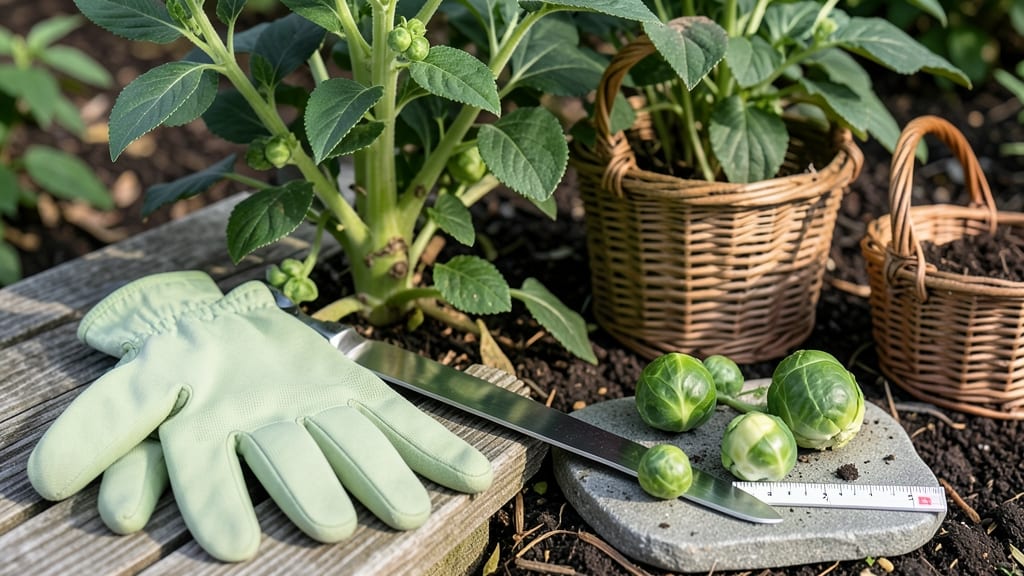
Knowing how to know when Brussels sprouts are ready to harvest can mean the difference between sweet, tender bites and tough, bitter disappointment. These little green gems 🥦 take patience, and if you wait too long, frost or overgrowth will ruin your crop.
The key? Size matters—harvesting at the right moment ensures maximum flavor and texture, whether you're a first-time gardener or a seasoned pro.
Most gardeners miss the perfect window because they don’t check the three size-based clues that signal readiness. From the diameter of each sprout to the color shift from bright to deep green, these visual cues are your roadmap to success.
Ignore them, and you might end up with sprouts that are either too small or woody. Let’s break down exactly what to look for so you never second-guess your harvest again.
Timing is everything, especially in USDA Zone 6a, where early frosts can sneak up fast. If you’re planting in spring, aim for a harvest between October and December—just before the first frost hits.
But don’t stress: even if you’re a few days late, there are tricks to salvage your crop. The goal? Picking them at 1 to 1.5 inches in diameter when they’re firm and snappy, not mushy or yellowing.
Ready to master the art of harvesting? I’ll walk you through the exact steps, from checking stem snap to avoiding common mistakes that turn your garden into a disappointment.
By the end, you’ll know exactly when to pluck those 🥦 for the best flavor—and how to keep your plant producing longer. Let’s get started.


3 Size-based checks to harvest brussel sprouts at peak flavor
Brussel sprouts are ready to harvest when they reach optimal size and texture, but knowing exactly when to pick them can be tricky. The key is checking three size-based indicators that guarantee the best flavor and texture.
If you harvest too early, they’ll be small and bland; too late, and they’ll turn woody or bitter. I’ve learned the hard way—overripe sprouts are a gardener’s worst nightmare!
Start by examining the diameter of the sprouts. The perfect harvest size is between 1 to 1.5 inches across. This is when they’re packed with nutrients and sweetness. Use a ruler or your thumb as a guide—if they fit snugly between your thumb and index finger, they’re ready.
Smaller than a golf ball? Wait a few more days.
Next, check the stem diameter where the sprout meets the main stalk. At the right time, it should be about ½ inch thick. If it’s thicker, the sprout may become tough.
Thin stems mean the sprout is still maturing. This check is especially useful for varieties like Jade Cross, which can grow faster than others.
Now, it’s time for the color test. Mature brussel sprouts should be a deep green or rich purple, depending on the variety. If they’re still pale or yellowing unevenly, they’re not ready.
A vibrant hue means they’ve developed their full flavor profile. Pro tip: Purple varieties like Ruby Ball often taste sweeter when fully colored.
-
📏 Sprout Diameter
1–1.5 inches across (thumb test: fits snugly between thumb and finger).
-
🌱 Stem Thickness
½-inch diameter where sprout meets stalk (thicker = tougher texture).
-
🎨 Color Depth
Rich green or purple hue (pale = underripe; yellowing = overripe).
Don’t forget the firmness test. Gently press a sprout—it should feel firm and crisp, like a fresh apple. If it’s mushy or squishy, it’s past its prime. Overripe sprouts can also develop a bitter taste, which is a clear sign you’ve waited too long.
I once left mine too long, and the flavor was so bitter I had to compost them!
Seasonal timing also plays a role. In fall harvests, aim to pick before the first hard frost, which can turn sprouts slimy or mealy. If frost hits early, harvest what you can and store the rest in the fridge for up to a week.
For winter harvests, use row covers to protect plants until they’re fully mature.
One mistake I see often is harvesting based on plant height alone. Just because your brussel sprout plant is tall doesn’t mean the sprouts are ready.
Focus on the individual sprout characteristics rather than the plant’s overall size. A 3-foot-tall plant with tiny sprouts isn’t ready—wait for those size cues!
Finally, consider the variety-specific traits. Some, like Long Island Improved, mature faster and may need harvesting earlier. Others, like Red Ruby, take longer to reach peak flavor.
Always check the seed packet for days to maturity and adjust your timing accordingly. This small detail can make a huge difference in taste!
If you’re still unsure, err on the side of harvesting earlier. Underripe sprouts can be steamed or roasted to improve flavor, but overripe ones are nearly impossible to save. With these three size-based checks, you’ll never second-guess your harvest timing again. Happy picking!
3 Size-based checks to harvest brussel sprouts at peak flavor
Brussel sprouts mature from the bottom up, so the lowest sprouts are always the first ready to pick. If you wait too long, they’ll turn bitter or woody, while harvesting too early means small, underdeveloped buds. The key? Size, color, and firmness work together to signal peak ripeness.
Start by checking the diameter of each sprout. Aim for 1 to 1.5 inches—this is the sweet spot for flavor and texture. Smaller than 1 inch? They’re still growing. Larger than 1.5 inches? They’ve passed their prime. Think of it like picking green beans: timing is everything.
🌱
Next, inspect the color of the sprouts. Ready-to-harvest brussels should be a rich, dark green or deep purple, depending on the variety. Avoid any sprouts with yellowing edges or brown spots—these are signs of overripeness or frost damage.
Think of it like selecting ripe avocados: the color tells the story.
Finally, test firmness with a gentle squeeze. A perfectly ripe brussel sprout will feel crisp and firm, almost snapping slightly when you press it. If it feels soft or mushy, it’s past its peak.
If it’s still hard, give it another week. This tactile check is your secret weapon for foolproof harvests.
Pro tip: Harvest from the bottom up to encourage new sprouts to form higher on the stem. This method maximizes your yield and keeps the plant productive for weeks. Just like pruning tomatoes, timing and technique make all the difference.
🍂