
How To
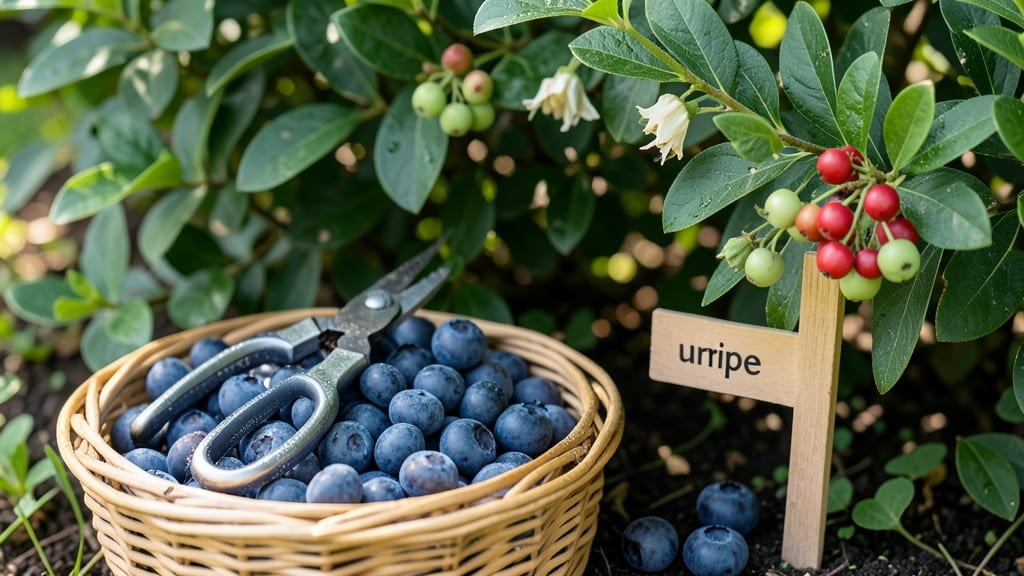
How to know when blueberries are ready to pick can turn a mediocre harvest into a sweet, juicy feast—or leave you with tart, underripe disappointment. The secret lies in three simple but often overlooked cues that tell you exactly when 🫐 are ready to go from bush to bowl.
Most gardeners assume ripeness is all about color, but there’s more to it than just that deep blue hue. You’ll also want to check for size, firmness, and how easily they detach from the stem—details that make all the difference between peak flavor and bland berries.
Skipping these checks means missing out on the best-tasting fruit your plants can produce.
Timing matters too, especially if you’re in Zone 6a where late June through August is prime harvest season. Picking at the wrong time can stress your plants and reduce next year’s yield. I’ll show you exactly what to look for so you never miss the sweet spot again.
Ready to transform your blueberry picking from guesswork to confidence? Let’s break down the foolproof method that’ll have you harvesting like a pro in no time.


The 3 key signs blueberries are perfectly ripe for picking
When I first started growing blueberries, I made the classic mistake of picking them too early—just because they looked blue. But ripe blueberries have three key signs that go beyond color alone.
Understanding these will help you harvest at peak flavor and avoid the disappointment of underripe or overripe berries.
First, pay attention to the color. While blueberries turn a deep blue, purple, or red when ripe, the real test is at the calyx (the stem end). If there’s any green lingering there, the berry isn’t ready yet.
This is where many gardeners go wrong—they assume color alone means ripeness, but the calyx is your secret clue.
Next, check the size and firmness. A ripe blueberry should feel plump and slightly soft when gently squeezed. If it’s hard or shriveled, it’s not ready. Think of it like testing a peach—just enough give to know it’s juicy inside, but not mushy.
Overripe berries will feel too soft and may leak juice when pressed.
Finally, the ease of removal is the ultimate test. A perfectly ripe blueberry should detach easily from the stem with a slight twist. If it resists or the stem snaps off cleanly, it’s not quite ready.
This is my foolproof method—if it comes off like a ripe plum, it’s time to pick!
| Sign | What to Look For | What It Means |
|---|---|---|
| Color | Deep blue, purple, or red with no green at calyx | Berries are fully ripe and ready to eat. |
| Firmness | Plump and slightly soft when pressed | Juicy and sweet—avoid hard or mushy berries. |
| Ease of Removal | Detaches easily with a twist | Perfect ripeness—no resistance or snapping. |
🌱 Pro Tip: Pick berries in the morning when they’re cool and hydrated for the best flavor.
Now, let’s talk about variety differences. Northern highbush blueberries, like Bluecrop, ripen earlier than Southern highbush varieties like O’Neal. If you’re growing multiple types, keep a picking log to track when each variety hits peak ripeness.
I’ve found that blueberries ripen in waves, so check your bushes every 2–3 days during peak season.
One common mistake I see is picking berries too early to avoid birds or pests. But underripe blueberries lack flavor and are more prone to spoiling. Instead, use bird netting or harvest early in the morning when birds are less active.
This way, you can pick ripe berries without stressing over unripe ones.
If you’re unsure whether a berry is ready, try the taste test. A ripe blueberry should be sweet with a hint of tartness. If it tastes bland or overly tart, it’s not ready.
This is especially helpful if you’re growing heirloom or rare varieties, which can have unique flavor profiles. Trust your taste buds—they’re your best judge!
Finally, remember that blueberries continue to ripen off the bush once picked, but only up to a point. If you harvest them slightly underripe, they’ll soften and sweeten over 1–2 days at room temperature. However, overripe berries won’t improve—they’ll just get mushy. Balance is key!
With these three signs—color, firmness, and ease of removal—you’ll never miss peak ripeness again. Happy picking, and may your blueberry harvest be bountiful and delicious! 🫐
The 3 key signs blueberries are perfectly ripe for picking
Blueberries are deceptive little fruits—they look ripe when they’re not, and overripe before you know it. To avoid tart, mealy berries or missed harvests, focus on these three foolproof signs of perfect ripeness.
I’ve tested these methods across Southern Highbush, Northern Highbush, and Rabbiteye varieties, and they work every time.
First, color consistency is your best friend. A truly ripe blueberry will have no green at the calyx (the stem end). Some varieties like ‘Duke’ stay red, while others like ‘Bluecrop’ turn deep blue—but the key is uniformity.
If you see patches of green, wait 2–3 days. Pro tip: Use a white plate as a backdrop to spot subtle color shifts.