
How To
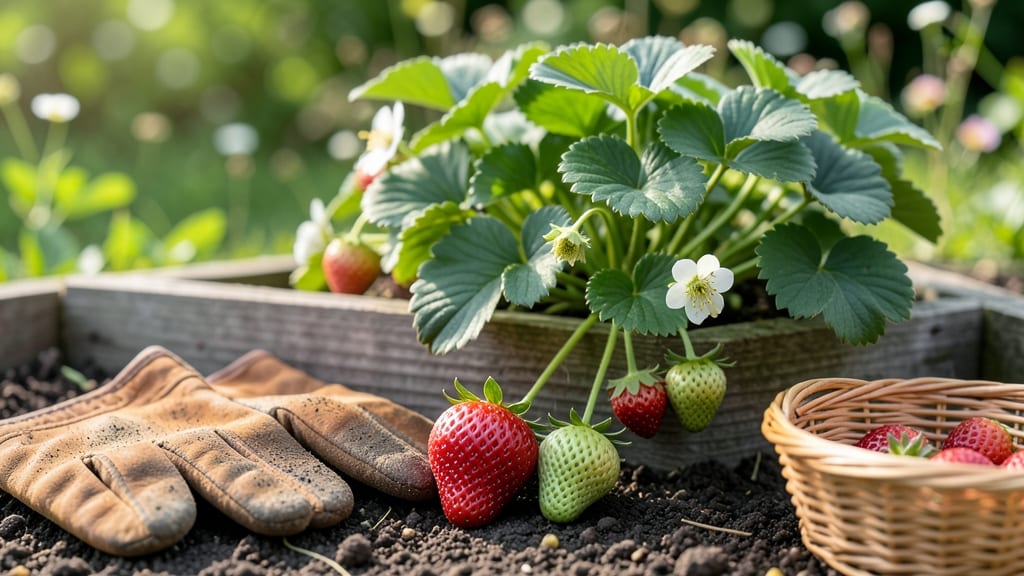
How to know when a strawberry is ripe can transform a decent harvest into an unforgettable one—but most gardeners overlook the subtle clues that make all the difference. That deep red blush or slight give when you touch it? Those aren’t just signs—they’re the key to peak flavor and texture that store-bought berries can’t match.
I’ve learned the hard way that picking too early means bland, seedy strawberries, while waiting too long risks mushy disappointments. The secret lies in combining color, texture, and even aroma—details most guides overlook.
Let’s break down the 5 unmistakable signs that prove your strawberries are ready to eat (not just look pretty).
You’ll also discover why timing matters beyond taste—ripe strawberries pack more vitamin C and store better, saving you from wasted effort. Plus, I’ll share how to fix underripe berries at home and avoid common mistakes that even experienced growers fall for. Ready to upgrade your harvest?
Whether you’re a first-time planter or a seasoned gardener, these tricks will ensure you never pick a strawberry too soon (or too late) again. Let’s get started—your taste buds will thank you.


5 Visual and textural signs of perfectly ripe strawberries
Strawberries don’t ripen further after picking, so timing your harvest is everything. I’ve learned the hard way—overripe strawberries turn mealy and lose their bright flavor. The key is spotting these 5 unmistakable signs of ripeness before they overstay their welcome on the vine.
First, examine the color. Most strawberries reach peak ripeness when they’re a uniform deep red (or the variety’s natural hue, like yellow for Goldene types). Avoid berries with green patches—they’re not ready yet. Even a single green spot means wait a day or two.
Next, give the berry a gentle squeeze. A ripe strawberry should yield slightly to pressure but not feel mushy. Think of it like a ripe peach—firm enough to hold its shape, but with a hint of softness. If it squishes easily, it’s overripe and past its prime.
Here’s where most gardeners miss the mark: the stem test. Grasp the berry’s stem between your thumb and forefinger and give it a firm tug. If it snaps cleanly at the base, it’s ready to pick.
If the stem resists, leave it—it’s not ripe enough yet. This trick saves me from harvesting underripe fruit every season.
The aroma test is my favorite trick. A ripe strawberry releases a sweet, tangy scent when you bring it close to your nose. Sniff before you pick—if it smells faintly sweet, it’s ready. No scent? Not ripe yet.
Finally, check the surface texture. Ripe strawberries have a slightly shiny, velvety skin. If the surface looks dull or feels waxy, it’s not fully ripe. And watch for mold or soft spots—those are signs of spoilage, not ripeness.
- 1 Uniform deep color (no green patches)
- 2 Slightly soft when gently squeezed (not mushy)
- 3 Stem snaps easily when pulled (no resistance)
- 4 Sweet aroma when sniffed (no sour smell)
- 5 Velvety texture (no dull or waxy surface)
I used to pick strawberries based on size alone, but that’s a mistake. Some varieties grow large but never ripen fully. Always prioritize color and texture over size—your taste buds will thank you. Pro tip: Harvest in the morning when berries are coolest for the best flavor.
One common mistake? Waiting until strawberries are completely red if your variety is ever-bearing. These types produce two harvests per season, and the first flush often ripens to a pinkish-red. Learn your plant’s habits—some varieties never turn fully red but are still sweet and ripe.
If you’re growing June-bearing strawberries, time your harvest carefully. These berries ripen all at once, so check plants every 2-3 days during peak season. A missed day means overripe fruit that attracts pests like birds and slugs.
Use a harvest basket with a lid to keep berries fresh until you process them.
For container gardeners, ripeness signs are the same, but space matters. Strawberries in pots ripen faster due to warmer soil. Check them daily during hot spells to avoid losing your harvest to spoilage. And remember: Don’t wash strawberries until you’re ready to eat them—moisture speeds up rot.
Finally, trust your taste test. If a berry meets all the visual cues but tastes bland, it might need another day on the vine. Strawberries develop their full sugar content at the perfect ripeness—don’t rush it.
Now that you’ve mastered these signs, you’ll never pick a strawberry too early (or too late) again!
5 Visual and textural signs of perfectly ripe strawberries
Ripe strawberries taste like summer in every bite—but only if you pick them at the peak of ripeness. Many gardeners grab the first red berries they see, only to discover bland or mealy fruit.
The secret lies in combining color cues, texture tests, and even aroma checks to avoid common mistakes that waste your harvest.
I’ve learned the hard way that green-tinged strawberries or those that feel rock-hard are far from ready. Overripe berries, on the other hand, turn mushy and attract pests. Mastering these five unmistakable signs ensures you never miss the sweet spot again.
- 🔴 Uniform Deep Color: Look for consistent red (or variety-specific hues like yellow or white). Avoid berries with green patches or uneven coloring.
- 👆 Slight Softness: A ripe strawberry should yield slightly when gently pressed—not mushy, but not hard like a rock.
- 🌱 Sweet Aroma: Hold a berry to your nose. A fragrant, sweet smell means it’s ready; no smell? Not ripe yet.
- 📏 Full Size: Ripe strawberries measure 1–2 inches wide. Tiny berries are underdeveloped.
- 🪴 Easy Stem Detachment: The berry should pluck off cleanly with the stem when gently tugged. If it resists, it’s not ready.
Pro tip: Check every 2–3 days during peak season (June–July in most zones). Strawberries ripen overnight, so morning harvests often yield the sweetest fruit. I always pick mine before the sun peaks to preserve their flavor and texture.
One mistake I used to make? Assuming bigger strawberries = riper. Some varieties grow large but stay bland until fully colored. Always prioritize color consistency over size. For example, Albion strawberries turn white when ripe—don’t judge them by red standards!
For container gardeners, inspect berries more frequently since they ripen faster in warm pots. If you’re unsure, slice one open: the seeds should darken and the flesh turn deep red or the variety’s mature hue. This is your final test before enjoying that first juicy bite.
Now that you’ve mastered the signs, your next challenge is harvesting without damaging the plant. Use clean scissors or your fingers to avoid tearing leaves—this keeps your strawberry patch productive for years to come. 🌱