
How To
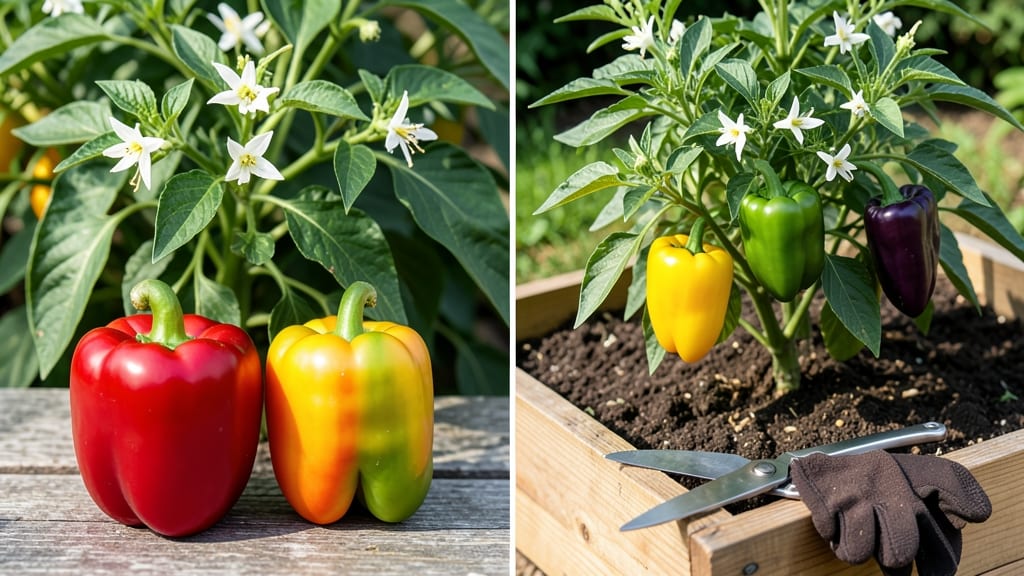
There’s nothing worse than biting into a bell pepper that’s either rock-hard or mealy—so how to know when a bell pepper is ready to pick makes all the difference. The right timing turns your garden into a flavor explosion, while the wrong move leaves you with underripe or overripe disappointment.
Most gardeners focus on color, but ripeness is about more than just green turning red. I’ll show you three key clues—from skin texture to stem separation—that reveal when your peppers are at their peak, no matter your climate.
Whether you’re in zone 6a or a warmer region, these tricks will help you harvest just as they’re ready.
You’ll also learn how to adjust for your growing conditions—because a pepper’s ripening speed changes with heat, humidity, and even your soil. By the end, you’ll confidently know when to pluck each pepper for the best flavor, whether you’re saving them for salads or stuffing.
Let’s cut through the guesswork so you can enjoy that crisp, sweet crunch every time you reach for your harvest basket.


Bell pepper ripening stages: what each color means for flavor and texture
Bell peppers change color as they ripen, and each stage offers a unique flavor profile and texture. Understanding these color cues helps you pick at the perfect moment for your needs—whether you want crisp green peppers for stir-fries or sweet red ones for fresh salads.
The ripening process starts with green peppers, which are technically immature. As they mature, they transition through yellow, orange, and finally red (or purple, depending on the variety).
Each color shift signals a shift in sugar content and tenderness, so knowing these stages ensures you harvest at peak quality.
🌱
| Stage | Color | Flavor Profile | Texture | Best For |
|---|---|---|---|---|
| Green | Solid green | Mild, slightly bitter, grassy | Firm, crisp | Pickling, stir-fries, salsas |
| Yellow | Bright yellow | Sweeter, less bitter, fruity | Slightly softer than green | Raw snacks, grilling, soups |
| Orange | Deep orange | Rich, caramel-like sweetness | Tender, slightly softer | Roasting, stuffing, fresh eating |
| Red | Vibrant red | Sweetest, most complex flavor | Softer, slightly waxy | Fresh salads, raw dishes, storage |
| Purple | Deep purple | Earthy, slightly sweet | Firm but tender | Unique dishes, fresh eating |
Green peppers are often picked early to prevent overripening and to use their crisp texture in dishes where bitterness is desirable. They’re the most versatile stage for cooking but lack the sweetness of fully ripe peppers.
When peppers turn yellow or orange, their sugar content increases dramatically, making them ideal for grilling or roasting. These stages are perfect if you want a balance of sweetness and texture without the full softness of red peppers.
Fully ripe red peppers (or purple, if that’s your variety) are the sweetest and most flavorful. They’re best for fresh eating, salads, or long-term storage. However, their softer texture means they’re less ideal for dishes requiring a crisp bite.
🌶️
Climate plays a role in ripening: cooler temperatures can slow color changes, while hotter weather speeds them up. In shorter growing seasons, you might only see green or yellow peppers before frost.
If you’re growing jalapeños or other hot peppers, they’ll ripen to red but stay spicy—harvest them at any stage for heat!
Pro tip: If your peppers aren’t changing color, check for nutrient deficiencies (like nitrogen) or inadequate sunlight, which can stall ripening. A balanced fertilizer and full sun will keep your peppers on track for vibrant colors.
🌞
5 Physical signs your bell pepper is ready to pick (beyond just color)
Don’t rely solely on color to judge ripeness—bell peppers reveal subtle physical cues that scream "harvest me now!" These tactile and visual signs ensure you pick at peak flavor and texture, avoiding the common mistake of harvesting too early or too late.
First, check the stem separation. A ripe bell pepper’s stem will twist off cleanly with a slight tug, leaving a tiny brown spot where it detached.
If the stem resists or snaps off with a green stem, the pepper needs more time—this is your plant’s natural way of signaling readiness.
Next, examine the blossom end (the bottom where the stem attaches). A ripe pepper’s blossom end will be slightly softer than the rest of the fruit but never mushy. If it feels leathery or shows signs of shriveling, the pepper has overstayed its welcome on the vine.
🌱 Numbered Highlights: 5 Key Signs of Ripeness
- 1. Stem Snaps Cleanly: Twist gently—ripens twist off easily with a brown stem base.
- 2. Firm Yet Slightly Yielding: Press lightly; skin should resist but not feel rock-hard.
- 3. Glossy, Vibrant Skin: Dull or wrinkled skin means overripe; shiny skin = perfect ripeness.
- 4. Consistent Shape: No dents or soft spots—shape should be uniform and plump.
- 5. Deep, Uniform Color: No green traces near the stem; color should be bold and even.
💡 Pro Tip: Morning harvests prevent nighttime moisture buildup, reducing rot risk.
Size matters too—most bell peppers reach their full mature size (3-4 inches wide) when ripe. If your variety is smaller (like jalapeños), compare to similar peppers on the plant. Underripe peppers stay small and underdeveloped, while overripe ones may puff up unevenly.
Finally, give your pepper the squeeze test. A ripe bell pepper should feel firm but slightly yielding, like a ripe avocado. If it’s rock-hard, it’s not ready; if it’s soft or squishy, it’s past its prime. This tactile check works for all colors, from green to red.
Pay attention to these physical cues alongside color, and you’ll always harvest bell peppers at their sweetest, crispiest moment. Overlooking these signs can turn your homegrown bounty into a tough, seedy disappointment—so don’t skip the stem twist or skin check!